
General Articles
The Beauty of Handcrafted Instruments and Why They Matter
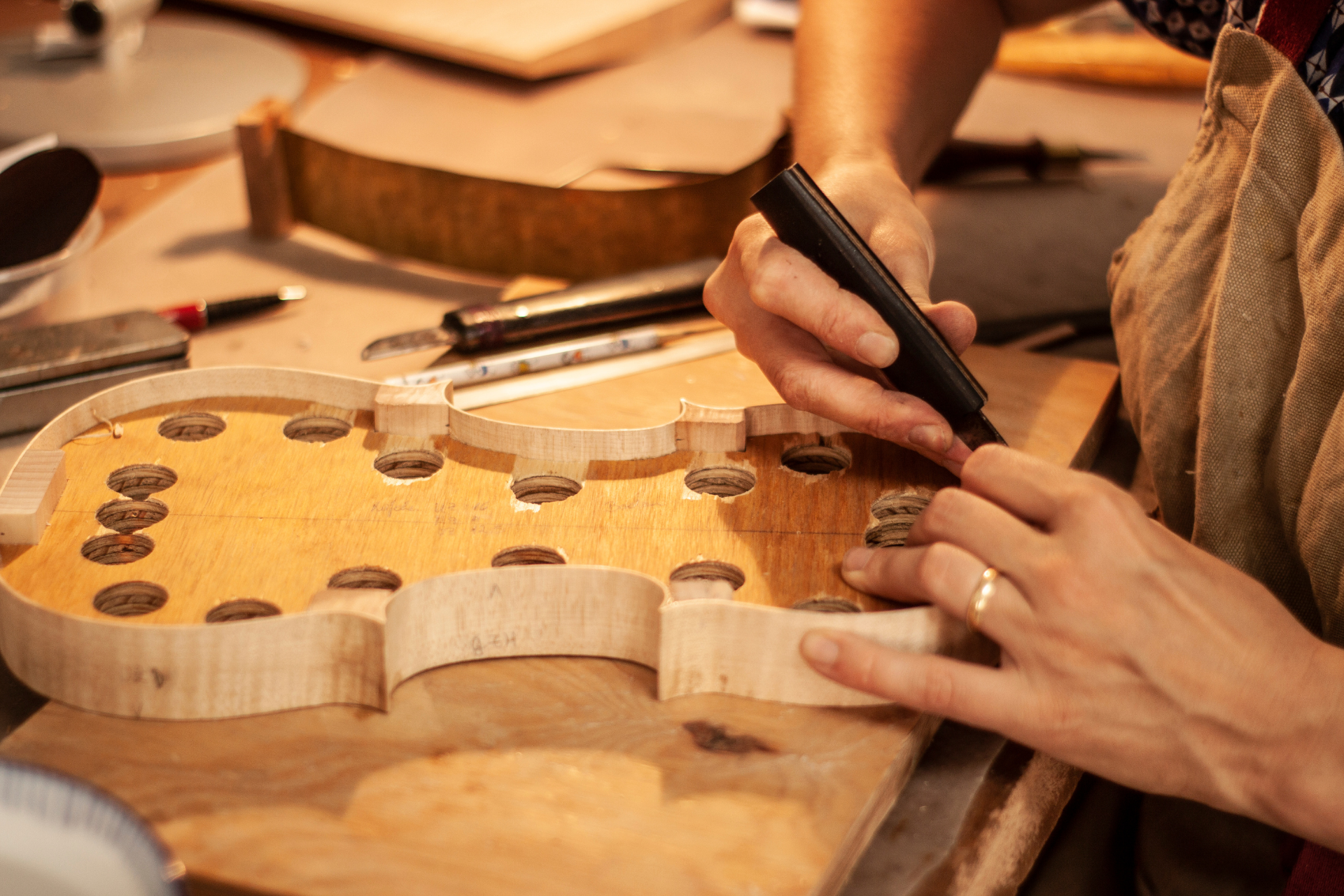
Handcrafted instruments hold a special place in the world of music. While mass produced instruments offer convenience and affordability, handcrafted ones offer individuality, depth, soul, and a level of artistry that cannot be replicated by machines. Each handcrafted instrument carries the fingerprint of the maker, shaped through skill, patience, and passion.
For many musicians, this personal quality creates a deeper connection between the player and the sound they produce. In a world where technology and automation dominate many industries, handcrafted instruments remind us of the value of tradition, craftsmanship, and human creativity. This article explores the beauty of handcrafted instruments, what makes them unique, and why they continue to matter in modern music.
What Makes an Instrument Handcrafted
A handcrafted instrument is built by trained artisans who rely on their hands, tools, experience, and intuition rather than industrial machines or automated processes. Every piece of wood, metal, or skin is selected carefully. Every curve, carving, and adjustment is shaped with intention. Handcrafted instruments often take weeks, months, or even years to build depending on complexity. This slow and meticulous process allows the maker to focus on quality and character rather than speed.
Handcrafted instruments are also shaped to achieve specific tonal qualities. Makers adjust thickness, balance, and internal structure to create warm, rich, and expressive tones. Even when two instruments are built using the same materials, each one has a personality of its own. This individuality is one of the main reasons many musicians seek out handcrafted pieces.
The Artistry Behind Handcrafted Instruments
Building an instrument by hand requires a deep understanding of acoustics, materials, techniques, and tradition. A skilled maker spends years mastering the craft. They learn how wood responds to temperature, moisture, shaping, and tension. They study how different types of wood influence tone, projection, and warmth. They learn how to assemble components that must work together harmoniously.
The craftsmanship also extends to visual beauty. Handcrafted instruments often feature unique patterns, natural grains, hand carved details, and artisanal finishes. These visual elements do not just make the instrument beautiful. They reflect the dedication and pride of the maker. Many handcrafted instruments become cherished items that remain in families for generations.
Why Materials Matter So Much
One of the defining features of handcrafted instruments is the careful selection of materials. Makers choose woods and other materials based on resonance, durability, sustainability, and tonal richness. For example, spruces and maples are widely used in string instruments for their balance of strength and flexibility. Mahogany and rosewood are known for their dark and warm tones. Exotic woods may be chosen for their visual and acoustic qualities, but only when sourced responsibly.
In addition to wood, other components play essential roles. The type of strings, the shape of the bridge, the craftsmanship of the fingerboard, and the overall construction all influence the final sound. A handcrafted instrument allows each of these components to be fine tuned to create an exceptional playing experience.
The Connection Between Maker and Musician
When a musician plays a handcrafted instrument, they become part of the story behind it. They are not simply using a tool. They are collaborating with the vision of the maker. Many musicians find that playing handcrafted instruments inspires creativity, emotion, and a deeper appreciation for music. The connection feels more personal because the instrument carries human effort, mistakes, adjustments, and triumphs.
This relationship is especially present in traditional instruments. For example, handcrafted Persian tar, tonbak, setar, or daf instruments often reflect centuries of tradition. Makers honor the past while infusing their own artistic expression into every piece. Musicians feel this heritage in the tone and response of the instrument.
Handcrafted Instruments Create Superior Sound
One of the strongest arguments in favor of handcrafted instruments is sound quality. While technology has improved mass produced instruments significantly, handcrafted ones still offer advantages in tone, clarity, and expressiveness. Makers shape the internal structure to enhance resonance and balance. They tap on the wood to hear its natural response, adjusting thickness by tiny amounts that machines cannot replicate.
As a result, handcrafted instruments often have:
-
Warmer and fuller tones
-
Better sustain and projection
-
More dynamic sensitivity
-
Greater responsiveness to touch and technique
These qualities make handcrafted instruments ideal for musicians who value expression and nuance. For performers, handcrafted instruments elevate their sound and provide a wider range of tonal colour.
Why Handcrafted Instruments Are More Durable
Durability is another benefit of handcrafted instruments. When an artisan builds an instrument piece by piece, they ensure every joint, seam, and connection is stable. They check for imperfections and adjust as needed. This level of care results in instruments that often last longer and age beautifully.
Many handcrafted instruments even improve with age. As wood settles, dries, and vibrates, the tone becomes richer and more resonant. This natural aging process adds to the value and desirability of handcrafted pieces. Mass produced instruments do not always develop this unique character over time because they lack the same level of precision and material quality.
Handcrafted Instruments Support Cultural Traditions
Many musical cultures rely heavily on handcrafted instruments. For example, Persian music, Indian classical music, African rhythms, and various folk traditions use instruments that require highly specialized craftsmanship. These instruments preserve cultural identity and history. Without artisans, many traditional instruments would disappear or lose their authenticity.
Supporting handcrafted instruments helps preserve these musical traditions. Musicians and listeners alike play an important role in keeping these crafts alive. When people buy handcrafted instruments, they support artisans, cultural heritage, and the continuation of musical diversity.
The Emotional Value Behind Handcrafted Instruments
One of the most powerful aspects of handcrafted instruments is the emotional value they carry. Musicians often form strong bonds with their instruments. A handcrafted piece feels special because no other instrument in the world is exactly like it. Musicians appreciate the imperfections, the individuality, and the human touch behind every note they play.
For many people, a handcrafted instrument becomes:
-
A lifelong companion
-
A personal treasure
-
A family heirloom
-
A reflection of artistic identity
This emotional connection enhances the musical experience and makes handcrafted instruments deeply meaningful.
Why Handcrafted Instruments Still Matter Today
Despite the rise of mass production and digital music tools, handcrafted instruments remain essential in the music world. They represent tradition, quality, and artistry. They inspire musicians to play with more heart and emotion. They teach appreciation for craftsmanship and individuality.
In a fast-moving world, handcrafted instruments remind us of the importance of patience, skill, and human creativity. They bridge the past and the present. They connect people across generations. They offer richness and depth that cannot be replaced by machines or automation.
Final Thoughts
Handcrafted instruments matter because they are more than objects. They are works of art shaped through dedication and skill. They offer exceptional sound quality, emotional value, durability, and cultural importance. Whether you are a beginner or a seasoned performer, choosing a handcrafted instrument brings you closer to the heart of music and the craftsmanship that keeps musical traditions alive.
For beautifully crafted instruments and expert guidance, visit Rhythm Music Shop serving Markham.