
General Articles
How Climate and Storage Affect Musical Instruments
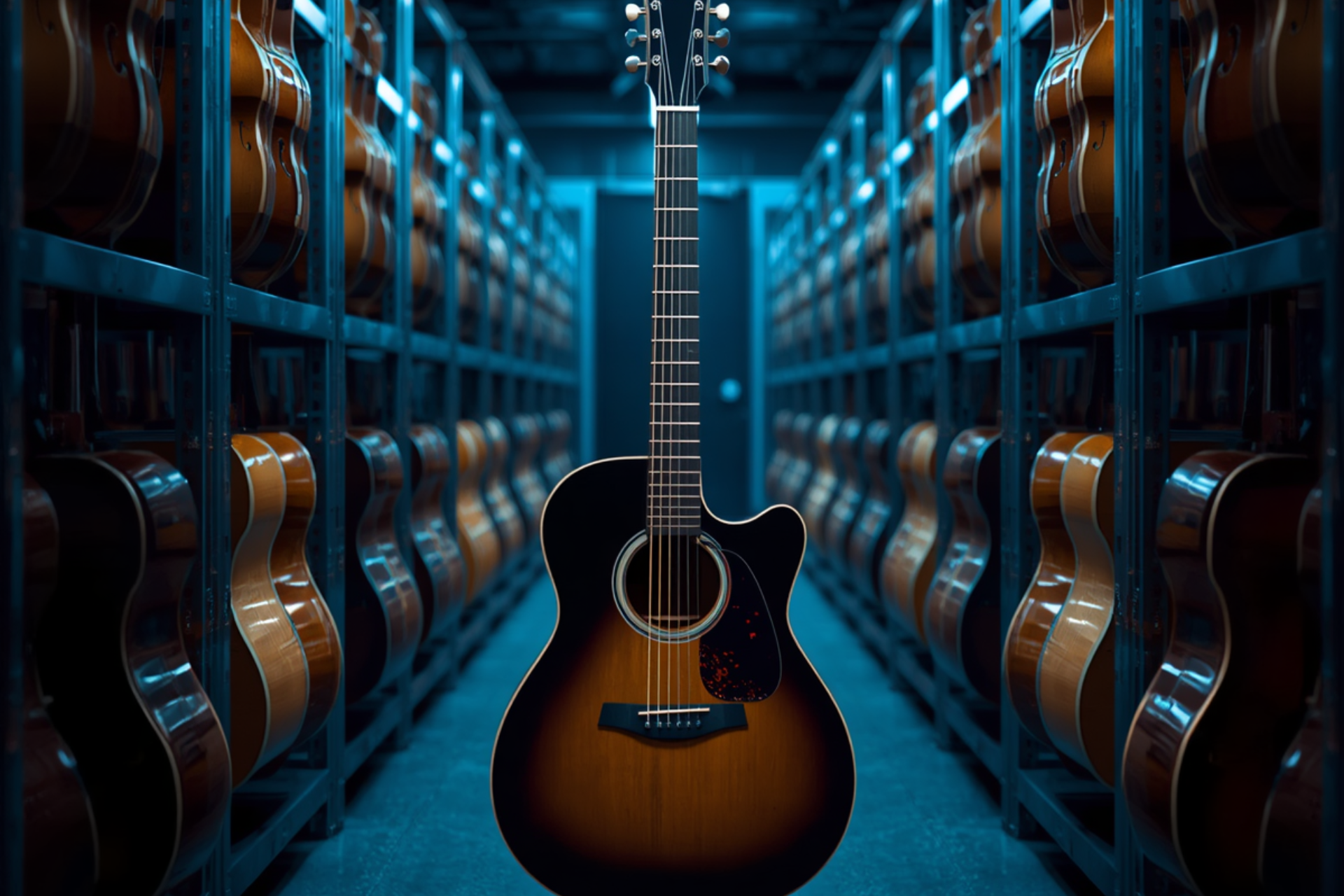
Why Climate and Storage Matter for Instruments
Musical instruments are sensitive to environmental conditions. Climate and storage play a crucial role in maintaining their structure, sound, and longevity. Many musicians overlook these factors, only realizing their importance after damage has occurred.
Changes in temperature and humidity can affect materials such as wood, metal, and plastic. These changes directly impact how an instrument performs and how long it lasts.
Understanding climate and storage is essential for preserving both sound quality and playability.
How Humidity Affects Musical Instruments
Humidity is one of the most significant environmental factors affecting instruments. Wood, which is commonly used in many instruments, naturally expands and contracts based on moisture levels.
High humidity can cause:
- Swelling of wooden components
- Warping of the instrument body
- Reduced resonance and clarity
Low humidity can lead to:
- Cracking and splitting
- Shrinking of materials
- Structural instability
Maintaining balanced humidity levels is critical to protecting instruments from damage.
Temperature Changes and Structural Impact
Temperature fluctuations can stress an instrument’s structure. Rapid changes can cause materials to expand or contract unevenly.
This can result in:
- Loose components
- Warped necks or bodies
- Changes in tuning stability
Keeping instruments in a stable temperature environment helps prevent these issues.
Proper Storage Practices for Protection
Proper climate and storage practices can significantly extend the life of an instrument. Simple precautions can make a major difference.
Recommended storage practices include:
- Using a protective case
- Keeping instruments away from direct sunlight
- Avoiding extreme temperature changes
- Storing instruments in controlled environments
These steps help maintain both structural integrity and sound quality.
Long Term Effects on Sound Quality
Poor climate and storage conditions can gradually affect how an instrument sounds. Changes in structure alter how vibrations travel, which impacts tone and resonance.
Over time, this can lead to:
- Dull or inconsistent sound
- Reduced sustain
- Difficulty maintaining tuning
Maintaining proper conditions ensures that the instrument continues to perform as intended.
The Importance of Regular Maintenance
Regular inspection and maintenance are essential for detecting early signs of damage. This includes checking for cracks, warping, or changes in playability.
Addressing issues early helps prevent more serious problems later.
Climate Control Solutions for Musicians
There are several ways musicians can manage climate and storage effectively.
Common solutions include:
- Using humidifiers or dehumidifiers
- Storing instruments in climate controlled rooms
- Monitoring humidity levels with simple tools
These solutions help maintain optimal conditions for instruments.
Travel and Environmental Exposure
Transporting instruments exposes them to changing climates. Sudden shifts in temperature and humidity can affect performance.
Using protective cases and allowing instruments to adjust to new environments gradually helps minimize damage.
Why Prevention Is Better Than Repair
Repairing an instrument can be costly and time consuming. Preventative care through proper climate and storage practices reduces the risk of damage.
Taking simple precautions ensures long-term reliability and performance.
Final Thoughts on Climate and Storage
Climate and storage are essential factors in maintaining the quality and lifespan of musical instruments. Ignoring these elements can lead to damage that affects both sound and playability.
By understanding and controlling environmental conditions, musicians can protect their instruments and ensure consistent performance.
For guidance on proper storage solutions and instrument care, visiting Rhythm Music Shop can help you keep your instruments in optimal condition.