
General Articles
Recent Articles
-
Why Is Producing the First Clear Note on a Persian Ney So Difficult? September 23, 2026
-
Why Do Kamancheh Players Rotate the Instrument While They Play? September 17, 2026
-
Why Does a Persian Tar Have Skin Instead of a Wooden Soundboard? September 11, 2026
Best Musical Instruments for Small Spaces
Posted on by Sedigheh Hashemitousi
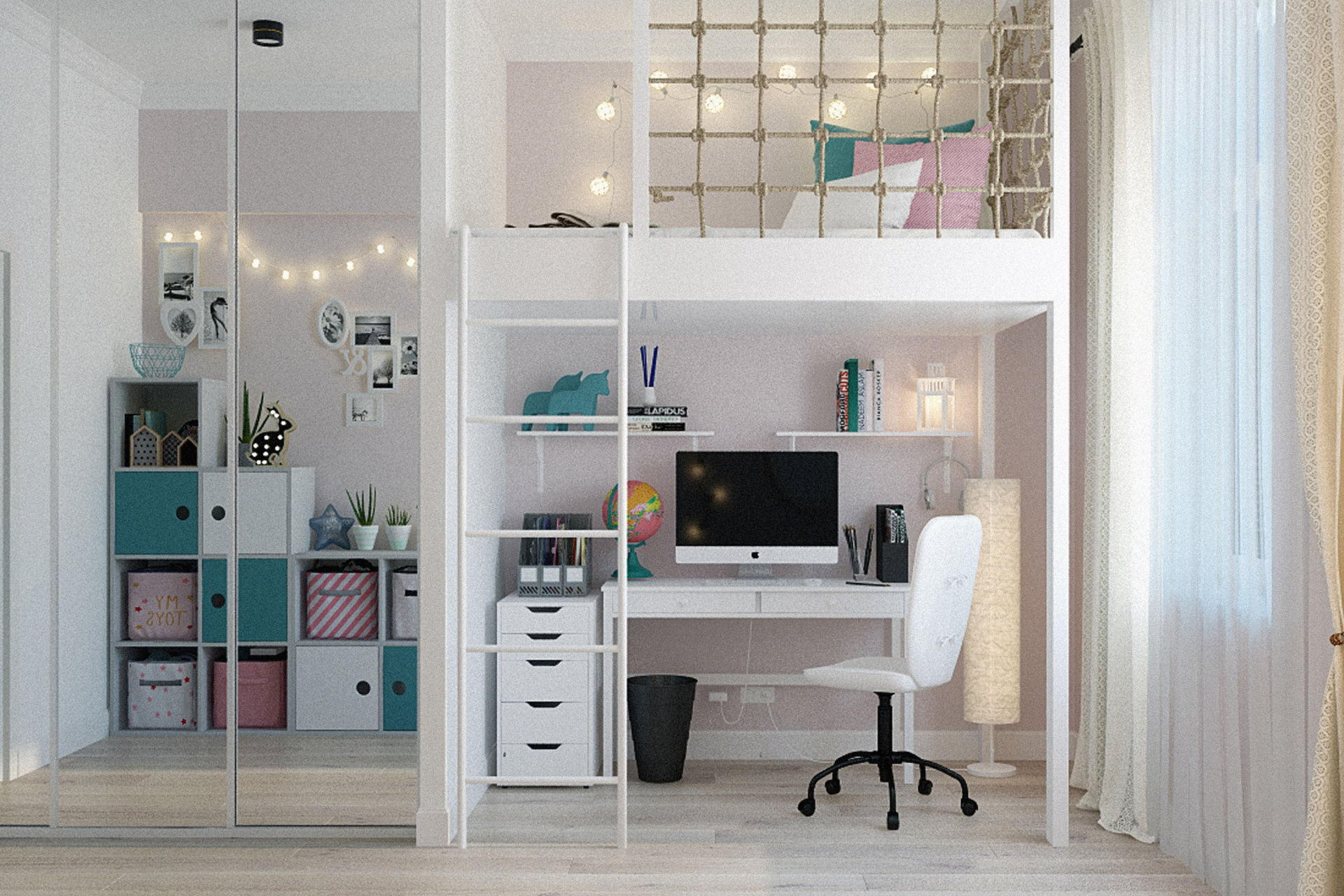
Living in a smaller home does not mean music has to be limited. Many people assume they need a dedicated studio, a large basement, or an empty room before they can comfortably learn an instrument. In reality, several excellent instruments require very little floor space and can be stored safely between practice sessions.
The best choice depends on more than dimensions. Noise level, storage, portability, accessories, maintenance, and playing style all matter. Some instruments are compact but very loud. Others take up more room while offering volume control through headphones. A practical decision should account for the entire setup, not just the instrument itself.
This guide explores some of the best musical instruments for small spaces and explains what makes each option suitable for apartments, bedrooms, condos, and shared homes.
What Makes an Instrument Suitable for Small Spaces?
An instrument can work well in a compact room even if it is not the smallest option available. The most important factor is how easily it fits into daily life.
Minimal Floor Space
Floor space is often the biggest concern in apartments and small bedrooms. Instruments that can be stored vertically, placed on wall mounts, kept in cases, or folded away are usually easier to manage.
A guitar on a wall hanger may use less practical space than a keyboard on a permanent stand. A violin stored in its case can fit on a shelf or under a bed. A flute can be placed in a drawer or cabinet.
The full setup should be considered, including stands, amplifiers, stools, pedals, sheet music, and cases.
Manageable Volume
Sound travels easily through shared walls, floors, and ceilings. An instrument that sounds reasonable inside one room may still disturb neighbours or family members.
Acoustic instruments cannot always be turned down, but some offer practice mutes or quieter techniques. Electronic instruments may allow headphone use, which makes them especially useful in buildings with strict noise rules.
Easy Storage
An instrument should have a safe and convenient storage location. Leaving it in a walkway, beside a heater, or near a window can increase the risk of damage.
Compact cases, folding stands, wall mounts, shelves, and under-bed storage can make a major difference.
Limited Extra Equipment
Some instruments require more accessories than others. An electric guitar may need an amplifier, cable, stand, tuner, and power source. A digital piano may require a stand, bench, pedals, and speakers.
A recorder, flute, violin, or acoustic guitar requires less supporting equipment, although every instrument still needs proper storage and maintenance.
Acoustic Guitar
The acoustic guitar is one of the most practical full-range instruments for smaller homes. It offers melody, harmony, rhythm, and accompaniment without requiring an amplifier.
A standard acoustic guitar takes up limited floor space when placed on a stand, and even less when stored in a case or mounted on a wall.
Why Acoustic Guitar Works Well
An acoustic guitar is useful for solo playing, songwriting, singing accompaniment, and group music. It can support beginners for many years without requiring additional electronic equipment.
It is also easy to move between rooms or take to lessons.
Consider Body Size
Not every acoustic guitar has the same dimensions. Dreadnought guitars are popular, but they have larger bodies and can produce considerable volume.
Smaller options include:
- Concert guitars
- Auditorium guitars
- Parlour guitars
- Travel guitars
- Three-quarter-size guitars
A smaller body may feel more comfortable in a tight room and can be easier for children or smaller adults to hold.
Noise Considerations
Acoustic guitars are not silent, but players can reduce volume by using lighter picking, fingerstyle technique, or a soundhole cover. Practising during reasonable hours also helps.
For people who need extremely quiet practice, an electric guitar with headphones may be more suitable.
Classical Guitar
The classical guitar is another strong choice for small spaces. Its nylon strings produce a softer, warmer sound than steel-string acoustic guitars.
Classical guitars are frequently chosen by beginners because the strings feel gentler on the fingers. They are also well suited to classical music, Persian music arrangements, folk styles, and fingerstyle playing.
Benefits of Nylon Strings
Nylon strings usually produce less sharp volume than steel strings. This can make the instrument more appropriate for apartments and shared homes.
The wider neck encourages precise finger placement, although it may feel unfamiliar to players with smaller hands.
Storage and Portability
Like an acoustic guitar, a classical guitar can be stored vertically, kept in a case, or mounted on a wall. It does not need an amplifier or power source.
It is a practical choice for anyone who wants a traditional instrument with broad musical possibilities and a relatively simple setup.
Electric Guitar With Headphones
An electric guitar may seem like a poor choice for a small apartment, but it can actually be one of the quietest options when used correctly.
Without amplification, an electric guitar produces relatively little sound. When connected to a headphone amplifier, audio interface, modelling unit, or small practice amp with a headphone output, the player can practise without filling the room with sound.
Why It Works in Apartments
An electric guitar has a slim body and is easy to store. Compact headphone amplifiers can plug directly into the instrument, reducing the need for a large amp.
Players can use headphones for late-night practice or shared living environments.
Equipment to Consider
A basic apartment-friendly setup may include:
- Electric guitar
- Headphones
- Small headphone amplifier
- Tuner
- Cable
- Compact stand or wall hanger
This setup can occupy very little space.
Watch for String and Pick Noise
Although the amplified sound stays in the headphones, the physical sound of the strings and pick can still be heard nearby. It is much quieter than a standard amplifier, but it is not completely silent.
Ukulele
The ukulele is one of the most obvious choices for small spaces. It is compact, lightweight, affordable, and easy to store.
Its size makes it suitable for apartments, dorm rooms, children’s bedrooms, and travel.
Why the Ukulele Is Practical
A ukulele can fit on a narrow shelf, hang on a wall, or remain inside a small case. It does not require additional equipment.
The instrument is also relatively easy for beginners to approach because it has four strings and many simple chord shapes.
Different Ukulele Sizes
Common sizes include:
- Soprano
- Concert
- Tenor
- Baritone
Soprano is the smallest, while baritone is the largest and has a deeper sound.
Concert and tenor models offer slightly more finger space while remaining very compact.
Sound Level
Ukuleles can still be loud in a quiet apartment, but their volume is generally manageable. Soft strumming and fingerpicking can reduce sound further.
Violin
The violin is highly portable and takes up very little storage space. Its case can fit in a closet, on a shelf, or under a bed.
It is suitable for classical, folk, orchestral, Persian, and contemporary music.
Advantages for Limited Rooms
A violin does not require a permanent stand, bench, amplifier, or large accessories. The player can practise while standing and then return the instrument to its case.
This makes it one of the most space-efficient traditional instruments.
Managing Volume
The main concern is volume. Violins can sound surprisingly loud, especially in rooms with hard surfaces.
A practice mute can reduce volume significantly. Metal mutes usually provide the greatest reduction, while rubber mutes offer a more moderate decrease.
Players should still avoid long practice sessions late at night in shared buildings.
Important Accessories
A violin setup usually includes:
- Bow
- Rosin
- Shoulder rest
- Tuner
- Practice mute
- Protective case
These accessories fit inside or beside the case and require minimal storage.
Digital Keyboard
A digital keyboard can be an excellent choice for small spaces, especially for players who want to learn piano without owning an acoustic piano.
The biggest advantage is volume control. Most digital keyboards support headphones, allowing nearly silent practice.
Choose the Right Number of Keys
Not every player needs a full 88-key digital piano.
Common options include:
- 61 keys
- 76 keys
- 88 keys
A 61-key keyboard is compact and suitable for beginners, casual players, songwriting, and many styles of music.
An 88-key model provides the full piano range but requires more width and a stronger stand.
Use a Folding Stand
A folding X-style stand can be stored against a wall or inside a closet when the keyboard is not being used.
Some players place compact keyboards on a desk, although proper playing height should still be maintained.
Consider Built-In Speakers
Built-in speakers reduce the need for separate monitors or an amplifier. Headphone output is especially useful for apartments.
A keyboard with a music rest, sustain pedal input, and USB connection can support lessons, practice, composition, and recording without requiring a large setup.
Flute
The flute is one of the easiest instruments to store. When disassembled, it fits inside a compact rectangular case.
It can be placed in a drawer, cabinet, or backpack.
Why Flute Works in Tight Areas
The player does not need a stand, amplifier, or permanent floor space. Practice can take place while sitting or standing.
The flute is used in classical, orchestral, folk, and contemporary music, so it offers room for long-term growth.
Volume and Airflow
A flute can project strongly, especially in a small room. It is not ideal for very late-night practice in an apartment.
Players should also ensure the room has enough space to hold the instrument horizontally without hitting furniture or walls.
Maintenance Needs
The instrument should be cleaned after each use with a cleaning rod and cloth. These items fit easily inside the case.
Recorder
The recorder is compact, affordable, lightweight, and easy to store. It is often associated with school music, but quality recorders are used for serious classical and early music performance.
Good Choice for Beginners
A recorder is approachable for children and adults. It helps develop breath control, finger coordination, rhythm, and basic note reading.
It also requires very little equipment.
Noise Considerations
Recorders can sound piercing when played forcefully. Proper breath control creates a softer and more controlled sound.
A beginner may produce louder or sharper notes at first, so practice times should be considered in shared homes.
Harmonica
The harmonica is one of the smallest complete musical instruments available. It fits in a pocket and requires no stand, case, furniture, electricity, or accessories beyond basic cleaning supplies.
Ideal for Minimal Storage
A harmonica can be stored in a drawer or small container. It is easy to travel with and can be practised in many locations.
Musical Versatility
Harmonicas are used in blues, folk, rock, country, classical arrangements, and traditional music.
Different keys are often needed for different songs, so advanced players may eventually own several harmonicas. Even a full collection takes up very little room.
Sound Level
The instrument can be loud, especially when played with strong breath pressure. Its small size does not mean it is silent.
Controlled breathing and shorter practice sessions can make it more manageable.
Kalimba
The kalimba, sometimes called a thumb piano, is a compact instrument made with metal tines attached to a wooden body.
It is easy to hold, easy to store, and suitable for relaxing solo practice.
Why It Suits Small Homes
A kalimba is quieter than many acoustic instruments. It can be played while sitting on a couch, at a desk, or in bed.
It does not require a stand or additional equipment.
Limitations
The kalimba has a smaller note range than a guitar, violin, or keyboard. It is excellent for simple melodies, patterns, and accompaniment, but it may not support every musical goal.
It works well as a first instrument, secondary instrument, or casual creative tool.
Hand Percussion Instruments
Compact hand percussion can be suitable for small spaces, but volume should be considered carefully.
Options include:
- Tambourines
- Shakers
- Frame drums
- Small hand drums
- Practice pads
- Daf
- Tonbak
Practice Pads
A practice pad is one of the quietest ways to study percussion technique. It allows drummers to work on rhythm, control, sticking, and coordination without using a full drum kit.
Practice pads are compact and can be placed on a desk, lap, or small stand.
Tonbak
The tonbak is more compact than a drum kit and does not require multiple stands or pedals. It can be stored in a case or placed on a shelf.
It offers a wide range of tones and techniques, making it suitable for Persian music and percussion study.
It can still produce strong volume, so controlled practice is important.
Daf
The daf has a large diameter but a very slim profile. It can be stored against a wall or inside a flat case.
It is practical from a storage perspective, although it can produce significant volume.
Compact Persian String Instruments
Traditional Persian instruments can also work well in smaller homes.
Setar
The setar has a narrow body and is relatively lightweight. It produces a gentle, intimate sound that is well suited to quieter rooms.
Its soft volume makes it one of the strongest traditional options for apartment living.
The instrument can be stored in a hard or soft case and does not need amplification.
Tar
The tar is larger and louder than the setar, but it still occupies limited floor space. It is stored in a fitted case and played while seated.
Its volume may require more careful practice scheduling.
Santur
The santur has a wider body and requires a table or stand, so it uses more space than a violin or flute.
However, it can still work in a small room if a dedicated surface is available. A folding stand can reduce the amount of permanent floor space used.
The instrument should be stored carefully because it contains many strings and requires stable environmental conditions.
Instruments That May Be Difficult in Small Spaces
Some instruments are possible to own in a small home, but they require more planning.
Acoustic Piano
An acoustic piano is large, heavy, difficult to move, and cannot be used with headphones. Even upright models require permanent wall and floor space.
A digital piano is usually more practical.
Full Drum Kit
A drum kit requires substantial floor space and creates vibration that travels through walls and floors.
Electronic drum kits are quieter and more compact, but foot pedals can still create impact noise for downstairs neighbours.
Cello and Double Bass
A cello can work in a smaller home, but it requires more storage space than a violin. A double bass is significantly harder to manage.
Both instruments need suitable cases, safe corners, and enough room for playing posture.
Large Amplifier Setups
Large guitar and bass amplifiers are often unnecessary in apartments. Smaller practice amps, modelling units, and headphone systems are usually more practical.
How to Organize a Small Practice Area
A well-organized practice corner can make a small room feel much more functional.
Use Wall Storage
Wall hangers work well for guitars, ukuleles, violins, and some percussion instruments. They keep instruments off the floor and make them easy to access.
The hanger should be installed securely into a stud or suitable wall anchor.
Choose Folding Equipment
Folding music stands, keyboard stands, stools, and instrument stands can be stored when not in use.
This allows one room to serve several purposes.
Keep Accessories Together
Strings, picks, tuners, rosin, cleaning cloths, cables, and sheet music can quickly create clutter.
Use a small drawer, basket, cabinet, or storage box to keep everything organised.
Protect Instruments From Heat and Moisture
Do not store instruments beside radiators, heating vents, damp walls, or direct sunlight.
Small rooms can experience rapid temperature changes, especially near windows.
Proper cases and stable storage locations help protect wood, strings, tuning components, and finishes.
Choosing Based on Your Living Situation
The best instrument depends on how and where you live.
For a dorm room, a ukulele, harmonica, recorder, flute, or headphone-based electric guitar may be practical.
For a condo, a digital keyboard with headphones, classical guitar, setar, or muted violin can work well.
For a shared family home, portability may matter more than volume. An instrument that can be packed away after use may be the best choice.
Ask yourself:
- How much storage space is available?
- Can the instrument remain on a stand?
- Are there neighbours above, below, or beside the room?
- Will practice happen during evenings?
- Is headphone use important?
- Does the instrument require a permanent bench or table?
- How many accessories are needed?
- Will the instrument need to travel to lessons?
These questions can prevent purchasing an instrument that becomes inconvenient to own.
A Smaller Room Can Still Support Serious Music
Small spaces can support meaningful practice, skill development, and long-term musical growth. The most practical instruments are those that fit the room, match the player’s goals, and can be used without creating constant storage or noise problems.
Guitars, ukuleles, violins, flutes, harmonicas, recorders, compact keyboards, kalimbas, and traditional Persian instruments can all work well in limited environments. Electronic options with headphones provide the greatest control over volume, while compact acoustic instruments offer simple setups and easy storage.
The right choice should feel manageable before, during, and after practice. An instrument that is easy to access, comfortable to play, and simple to store is more likely to become part of a consistent routine.
Visit Rhythm Music Shop in Markham to explore instruments and accessories suited to apartments, condos, bedrooms, and other small spaces. Contact the shop for help choosing an option that fits your home, experience level, and musical goals.