
General Articles
How Cultural Music Shapes Instrument Design
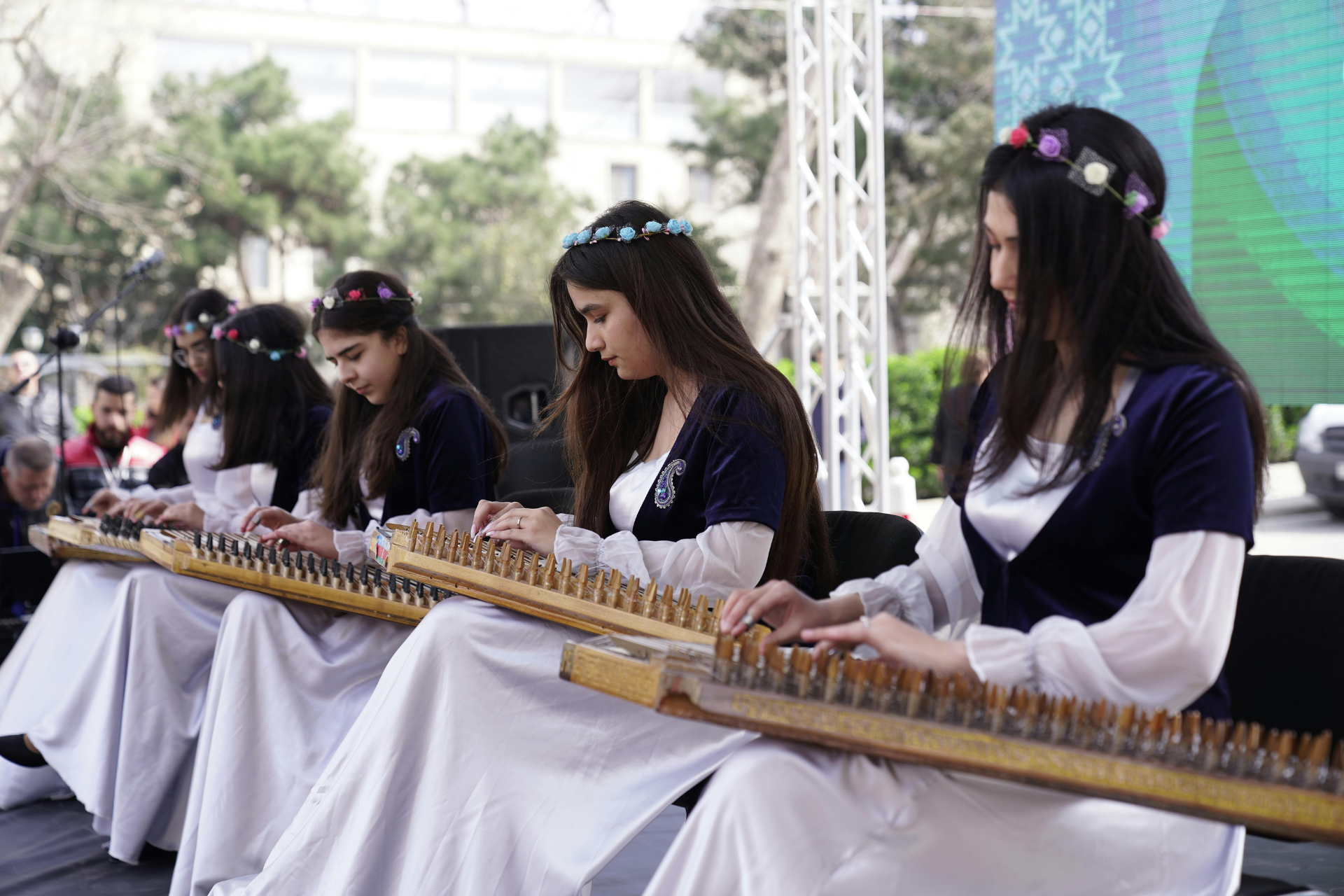
Musical instruments do not develop in isolation. They are shaped by the cultural environments in which they are played, taught, and valued. The design of an instrument reflects more than engineering or craftsmanship alone. It also reflects the musical language, social customs, history, climate, artistic priorities, and spiritual traditions of the people connected to it. When we examine why instruments look and sound the way they do, we often find answers rooted in culture.
Different musical traditions require different tonal qualities, pitch systems, dynamic ranges, and expressive techniques. These needs influence the body shape of an instrument, the materials chosen, the stringing system, the tuning method, the method of sound production, and even the posture used during performance. Instruments evolve because musicians adapt them to suit their music, and music evolves within the values and habits of a cultural community.
This is one reason instruments around the world vary so widely. Some traditions favor sustained tones and vocal style ornamentation. Others prioritize rhythmic attack, bright projection, or subtle microtonal expression. Some instruments are built for intimate solo performance, while others are designed to carry sound in communal ceremonies, large halls, outdoor gatherings, or ensemble settings. Culture shapes all of these needs.
Understanding how cultural music shapes instrument design helps deepen appreciation for both music and craftsmanship. It shows that instruments are not just objects. They are living expressions of identity, memory, function, and artistic philosophy.
Music and Culture Develop Together
Music is one of the strongest expressions of culture because it carries language, emotion, ritual, and identity. As musical traditions develop, instruments are adapted to serve those traditions more effectively. In turn, the possibilities of those instruments help shape how the music itself evolves.
This relationship is dynamic rather than fixed. A musical community develops preferences for certain sounds, scales, rhythms, and performance styles. Instrument makers respond by refining the physical design of instruments to better serve those preferences. Over time, the instrument becomes a cultural symbol because it is so closely tied to the musical voice of that tradition.
An instrument can therefore be understood as a record of cultural needs. Its form reflects accumulated decisions made across generations. Those decisions may involve aesthetics, practicality, spiritual symbolism, or purely acoustic concerns, but they are rarely random.
Materials and the Influence of Geography
One of the clearest ways culture shapes instrument design is through material availability. Instrument makers traditionally work with the resources available in their region. The kinds of wood, metal, skin, reeds, or natural fibres accessible to a community influence what kinds of instruments can be built and how they sound.
A dry climate may support certain woods differently from a humid one. Coastal communities may incorporate shells or different types of hardwood. Mountain regions may produce distinct carving traditions. Even when modern transportation allows materials to be imported, the historical roots of many instruments still reflect the geography of origin.
The material choices also become part of the instrument’s tonal identity. Over generations, musicians begin to associate certain sounds with their musical tradition, and these sounds are reinforced by the materials that made them possible.
Material Is Not Only Practical but Also Cultural
What begins as practical availability often becomes part of cultural expectation. A certain wood, skin, or stringing material may continue to be preferred not only because it works but because it carries traditional value and sound character.
Scale Systems and Tonal Needs
Different musical cultures organize pitch differently. Some systems rely on twelve equally spaced pitches. Others include microtonal intervals, flexible intonation, or modal structures with distinct emotional characteristics. These musical systems directly influence instrument design.
Instruments must be capable of expressing the tonal language of the music they serve. This affects fret placement, tuning arrangements, key mechanisms, finger holes, string courses, and resonating structures. A culture that values subtle pitch inflection and ornamentation may favor instruments that allow expressive sliding or bending. A culture focused on harmonic chordal music may develop instruments better suited to fixed pitch relationships.
This is why cultural context is essential when evaluating an instrument. An instrument is not simply built to make sound. It is built to make the right kind of sound for its musical environment.
Playing Technique Shapes Physical Form
How an instrument is played also influences how it is built. If a tradition values fast ornamentation, the instrument may evolve to support quick finger movement. If long sustained notes are important, the design may emphasize resonance and tonal stability. If rhythmic attack is central, the body and sound production system may become more responsive and percussive.
Posture also matters. Some instruments are designed to be played seated in intimate settings. Others are made for standing players in processions or stage performance. Some traditions center on solo expression, while others require instruments that blend within a larger ensemble.
Function and Form Grow Together
An instrument’s shape often makes the most sense when viewed alongside the movement habits of the musician. Design supports technique, and technique is shaped by the musical values of the culture.
Social and Ceremonial Context
Many instruments develop within specific social or ceremonial roles. Music used in worship, storytelling, weddings, mourning rituals, seasonal celebrations, or court performance may require different qualities. An instrument played in a reflective spiritual context may favor subtlety and depth. One used in communal celebration may need projection, rhythm, and durability.
These social functions influence not only sound but also decoration, symbolic carving, portability, and durability. In many traditions, the instrument is more than a tool. It is part of a social act and may carry deep cultural meaning.
Because of this, design sometimes reflects symbolism as much as acoustics. Decorative motifs, proportions, and color choices may preserve cultural identity and signal belonging within a tradition.
Oral Tradition and Design Stability
In musical cultures where learning is passed down orally from teacher to student, instrument design often remains closely tied to established sound ideals. The instrument must support the stylistic nuances that teachers expect students to internalize through listening and imitation.
This can help preserve specific design choices for generations. Even when modern alternatives appear, musicians may prefer traditional construction because it better supports the sound and expression they consider authentic. In this way, oral tradition helps stabilize instrument identity.
Cultural Exchange and Hybrid Design
Cultural music does not remain isolated forever. Trade, migration, travel, recording technology, and global collaboration all contribute to exchange between traditions. As musicians encounter new instruments and styles, instrument design may begin to reflect hybrid influences.
This can produce exciting innovation. Builders may combine structural ideas from different traditions, expand tonal range, improve tuning systems, or adapt instruments for new performance settings. At the same time, this process raises important questions about preservation and authenticity.
A healthy cultural exchange respects the roots of the instrument while allowing thoughtful adaptation. Problems arise when an instrument is altered only for convenience or commercial appeal without understanding the musical tradition behind it.
Innovation Works Best When It Respects Tradition
Hybrid design can be artistically rich when it grows from knowledge rather than novelty alone. Musicians and builders who understand traditional foundations are better equipped to adapt instruments responsibly.
The Role of Craftsmanship in Cultural Preservation
Instrument makers are essential cultural carriers. Their work preserves not only construction methods but also sound ideals and artistic values. A skilled craftsperson understands that the instrument must serve a musical language, not merely meet visual or mechanical standards.
Traditional craftsmanship often includes details that outsiders may overlook. The thickness of a soundboard, the curvature of a neck, the choice of resonant cavity dimensions, or the preparation of natural materials may all be tied to cultural sound expectations. These details are often learned over time through experience, mentorship, and careful listening.
Modern Performance and Design Adaptation
As music moves into larger stages, recording studios, and amplified environments, instruments often undergo practical adaptation. Musicians may need greater volume, more tuning stability, easier portability, or compatibility with microphones and pickups. These needs can reshape design.
Still, cultural identity remains important. Many musicians want an instrument that can function in modern settings without losing its essential voice. This creates a balancing act between technical adaptation and cultural preservation.
Design Must Serve Both Heritage and Present Need
The strongest modern adaptations are usually those that allow instruments to participate in contemporary performance while preserving the tonal and expressive features that define their tradition.
Final Words
Cultural music shapes instrument design in powerful and lasting ways. Materials, tonal systems, performance practices, social roles, regional resources, and historical values all leave their mark on the physical form of instruments. That is why instruments are far more than tools for making sound. They are reflections of the communities that shaped them and the artistic priorities those communities carried forward.
To understand an instrument fully, it helps to understand the cultural music behind it. Design choices that might seem purely technical are often deeply connected to tradition, identity, and meaning. When musicians and listeners recognize this, they gain a richer appreciation for both the instrument and the music it serves.
If you are interested in traditional instruments shaped by rich musical traditions, Rhythm Music Shop in Markham offers quality options and knowledgeable support to help you explore them.