
General Articles
How to Choose the Right Instrument for Your Child
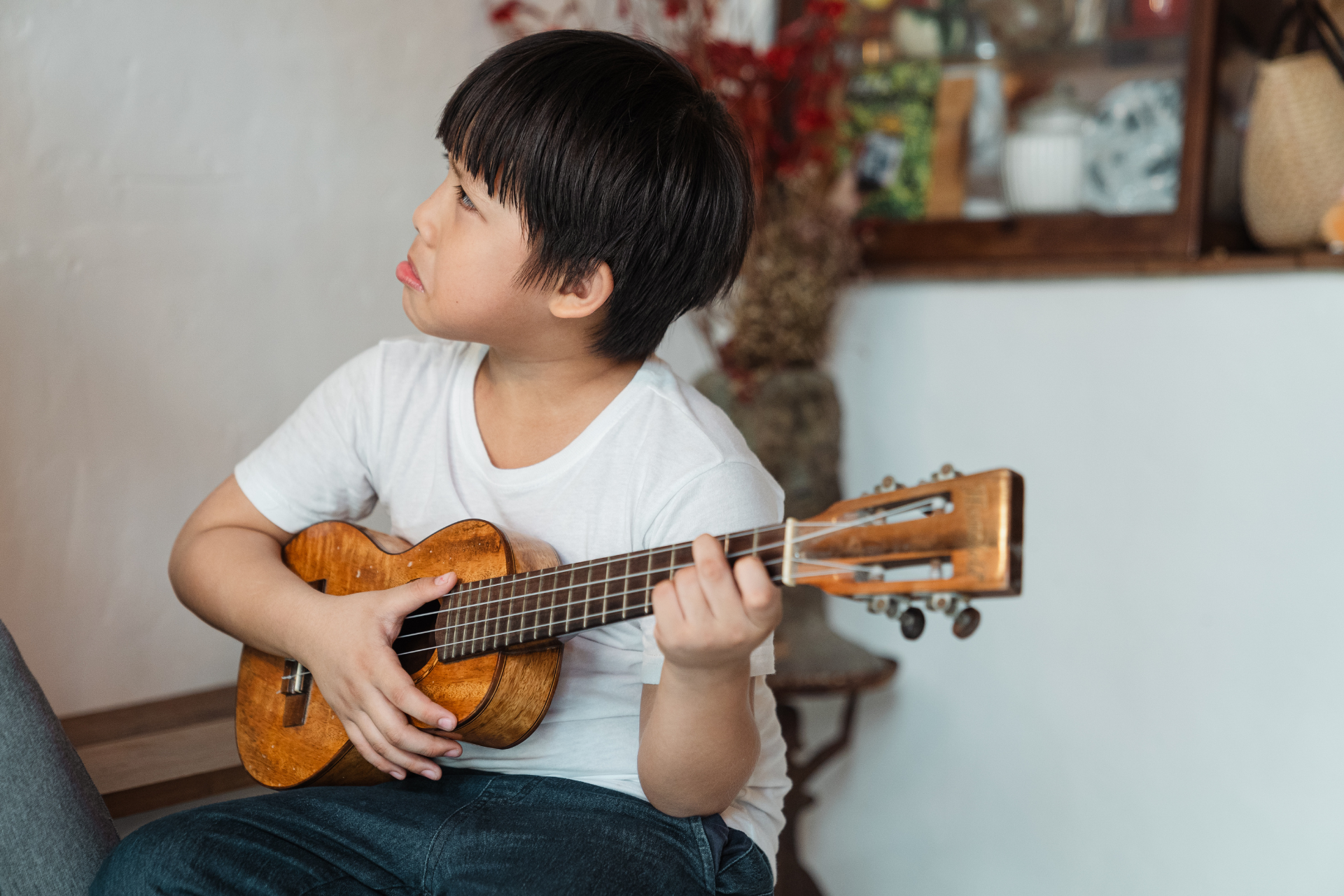
Introducing a child to music can support concentration, coordination, creativity, listening skills, and self-discipline. However, the experience depends heavily on the instrument they begin with. A child who feels comfortable and interested is more likely to practise consistently, while an instrument that feels awkward, difficult, or uninspiring may quickly become discouraging.
Parents often choose based on their own preferences, the cost of lessons, or what other children are learning. These considerations matter, but they should not be the only factors. The goal is to find an instrument that suits the child’s body, personality, interests, and current stage of development.
There is no single option that works for every child. A young student who enjoys rhythm may respond well to percussion, while another child may prefer melody-based instruments such as violin, keyboard, flute, or guitar. Understanding the practical differences between instruments can help families make a more confident decision.
Start With Your Child’s Musical Interests
One of the most important factors is the kind of music your child naturally enjoys.
Children are more motivated when they can connect the instrument to music they already recognize. A child who listens to guitar-based songs may be more enthusiastic about learning guitar than piano. Another child who enjoys orchestral music may be drawn to violin, cello, or flute.
Pay attention to what captures their interest.
Ask Simple Questions
Parents can learn a lot by asking:
- Which instruments do you notice in songs?
- Do you like singing, rhythm, or melody more?
- Would you rather play alone or with a group?
- Do you enjoy loud, energetic music or softer sounds?
- Is there a musician you enjoy watching?
- Would you like to perform, compose, or simply play for fun?
Children may not know the names of every instrument, but they often know which sounds excite them.
Let Them Hear and See Different Instruments
Videos can help, but hearing instruments in person is often more useful. The physical size, sound, and feel may be very different from what the child expects.
A visit to a music shop gives the child a chance to compare options and develop a more realistic impression.
The right instrument should create curiosity rather than pressure.
Consider Your Child’s Age
Age can affect which instruments are practical, especially during the early years.
Very young children may struggle with instruments that require strong breath control, long fingers, or complex posture. This does not mean they cannot begin music. It simply means the instrument and teaching method should match their developmental stage.
Ages Four to Six
Children in this age group often benefit from instruments that introduce rhythm, pitch, and basic coordination.
Suitable options may include:
- Small keyboards
- Ukuleles
- Recorders
- Xylophones
- Hand percussion
- Child-sized violins
- Rhythm instruments
At this stage, lessons should remain engaging and manageable. Long practice sessions are usually unrealistic.
Ages Seven to Nine
Many children develop better coordination, attention, and reading ability during these years.
They may be ready for:
- Guitar
- Violin
- Keyboard
- Flute
- Cello
- Ukulele
- Recorder
- Percussion
- Traditional instruments in suitable sizes
The child should still be fitted carefully, especially for string instruments.
Ages Ten and Older
Older children often have greater physical control and can handle a wider selection of instruments.
They may also have stronger preferences, which should be taken seriously. A motivated ten-year-old may progress faster on a challenging instrument than a younger child who feels indifferent toward an easier one.
Match the Instrument to the Child’s Physical Size
Comfort is essential. An instrument that is too large, heavy, or physically demanding can create tension and poor technique.
Hand Size
Small hands may struggle with wide guitar necks, large chord stretches, or certain wind instrument fingerings.
Fractional-size guitars, violins, and cellos are available for younger players. A smaller instrument can improve posture, reach, and control.
Arm Length
Arm length matters for violin, cello, guitar, and some wind instruments.
A violin that is too large may force the child to stretch the left arm and hand. A guitar body that is too wide may make it difficult to reach around the instrument comfortably.
Strength and Posture
Some instruments require more physical support than others.
A child may find a full-size acoustic guitar heavy, while a ukulele or smaller classical guitar may feel more manageable. A flute requires the arms to remain lifted, which can cause fatigue for younger students.
The right instrument should allow the child to sit or stand with a natural posture.
Think About Attention Span and Patience
Different instruments produce satisfying results at different speeds.
Some children want to play recognizable sounds quickly. Others enjoy slower, detailed learning.
Instruments With Faster Early Results
Keyboards, ukuleles, and some percussion instruments can provide quick rewards.
A child may learn a simple melody or chord progression within the first few lessons. This can build confidence.
Instruments With a Steeper Beginning
Violin, flute, and some traditional instruments may take longer before the tone becomes clear and controlled.
This does not make them poor choices. A patient and motivated child may enjoy the challenge.
Parents should consider how the child responds to difficulty. Some children become determined, while others lose interest if progress feels too slow.
Compare Melody, Harmony, and Rhythm Instruments
Children may be naturally drawn to different musical roles.
Melody Instruments
Melody instruments usually play one note at a time.
Examples include:
These instruments suit children who enjoy singing melodies or following musical lines.
Harmony Instruments
Harmony instruments can play chords and multiple notes together.
Examples include:
- Piano
- Keyboard
- Guitar
- Ukulele
These instruments are useful for songwriting, accompaniment, and understanding musical structure.
Rhythm Instruments
Percussion instruments focus heavily on timing and coordination.
Examples include:
- Drum kit
- Practice pad
- Tonbak
- Daf
- Hand percussion
- Xylophone
Rhythm-focused instruments may suit energetic children who enjoy movement and repetition.
Evaluate the Noise Level at Home
Volume can influence whether an instrument works well for the household.
A child may love drums, but a full acoustic kit may be difficult in an apartment or shared home. A violin can also be louder than many parents expect.
Quieter Options
Some quieter choices include:
- Digital keyboard with headphones
- Electric guitar with headphones
- Ukulele
- Classical guitar
- Recorder with controlled practice
- Setar
- Practice pad
- Electronic drum kit
Volume Control Accessories
Several instruments can be made more practical with the right accessories.
Examples include:
- Violin practice mutes
- Headphone amplifiers
- Electronic keyboards
- Electronic drum kits
- Soundhole covers
- Practice pads
- Low-volume cymbals
Parents should think about when practice will happen and whether nearby family members or neighbours may be disturbed.
Consider the Space Available at Home
Some instruments require permanent floor space, while others can be stored in a case or on a wall.
Compact Choices
Compact instruments include:
- Violin
- Flute
- Recorder
- Ukulele
- Harmonica
- Setar
- Small percussion
- Compact keyboard
- Classical guitar
Larger Setups
A drum kit, full digital piano, cello, or large amplifier setup requires more room.
The full setup should be measured, including:
- Stand
- Bench
- Case
- Amplifier
- Pedals
- Music stand
- Accessories
An instrument that fits poorly into the home may become difficult to use regularly.
Understand the Cost Beyond the Instrument
The purchase price is only one part of the total cost.
Some instruments require regular replacement parts, maintenance, or additional equipment.
Common Ongoing Costs
These may include:
- Lessons
- Strings
- Reeds
- Rosin
- Drumsticks
- Cleaning supplies
- Cases
- Stands
- Tuning
- Repairs
- Books
- Examination fees
- Performance clothing
A keyboard may require a bench and sustain pedal. An electric guitar may need an amplifier, cable, strap, and tuner. A violin requires a bow, rosin, case, and possibly a shoulder rest.
Parents should compare complete setups rather than only the price shown on the instrument.
Decide Between Renting and Buying
Renting may be practical when the child is still exploring.
Advantages of Renting
Renting can reduce the financial risk if the child changes direction.
It may also allow access to a better-quality student instrument than the family could initially purchase.
Rental programmes are common for school band and orchestral instruments.
Advantages of Buying
Buying may be better when:
- The child is committed
- The instrument is affordable
- Another family member may use it later
- The student needs long-term consistency
- The instrument has good resale value
A low-quality purchase may create more problems than a properly maintained rental.
The decision should depend on the child’s commitment, the type of instrument, and the available budget.
Avoid Choosing the Cheapest Option Automatically
Parents naturally want to control costs, especially when they are unsure how long the child will continue.
However, extremely cheap instruments can create unnecessary frustration.
Common problems include:
- Poor tuning stability
- Uncomfortable action
- Weak construction
- Difficult response
- Unreliable keys or hardware
- Uneven sound
- Frequent repairs
- Poor-quality accessories
A beginner does not need a professional instrument, but the instrument should still function properly.
A suitable student model should remain in tune, respond consistently, and allow correct technique.
Choose an Instrument That Can Be Properly Fitted
Some instruments are available in multiple sizes.
Violins and Cellos
Violins and cellos come in fractional sizes. The correct size depends on arm length, hand reach, and overall height.
A child should not be moved to a larger size too early.
Guitars
Guitars may be available in:
- Quarter size
- Half size
- Three-quarter size
- Seven-eighths size
- Full size
Body depth and neck width also matter.
Keyboards
Keyboard size is based on the number of keys and whether the keys are weighted.
A smaller keyboard may work for beginners, but children studying traditional piano may eventually need a full 88-key instrument.
Professional guidance can help prevent sizing mistakes.
Look at Your Child’s Personality
Personality can influence which instrument feels rewarding.
Social Children
Children who enjoy group activities may prefer instruments used in:
- School bands
- Orchestras
- Ensembles
- Group percussion
- Choir accompaniment
Flute, violin, cello, trumpet, clarinet, and percussion can provide strong group opportunities.
Independent Children
Children who enjoy working alone may prefer:
- Piano
- Guitar
- Ukulele
- Setar
- Santur
- Keyboard
These instruments work well for solo practice and performance.
Energetic Children
Energetic children may connect with drums, daf, tonbak, or other percussion instruments.
Rhythm can provide a structured way to use movement and energy.
Detail-Oriented Children
Children who enjoy precision may appreciate violin, classical guitar, piano, flute, or traditional instruments that require careful technique.
These are general tendencies, not strict rules. Interest should remain the strongest guide.
Consider the Availability of Lessons
The right instrument is easier to learn when suitable instruction is available.
Before purchasing, parents should check:
- Whether local teachers are available
- Whether the teacher works with children
- Whether online lessons are suitable
- Whether group lessons are offered
- Whether the child can attend consistently
- Whether the teacher provides structured material
Traditional instruments may require more specialized instructors.
A good teacher can help with posture, sizing, maintenance, and practice habits from the beginning.
Let the Child Participate in the Decision
Parents should guide the process, but the child should have meaningful input.
Forcing a child to learn an instrument they dislike often creates resistance.
Give them a limited selection of practical options rather than asking an open-ended question.
For example:
“We have room for a keyboard, guitar, violin, or ukulele. Which two would you like to try?”
This keeps the decision realistic while allowing the child to feel involved.
Arrange a Trial Before Committing
A short trial lesson or in-store demonstration can reveal important information.
Watch how the child responds.
Signs of a Good Match
- They remain curious
- They want to hold or try the instrument
- The size looks comfortable
- They respond positively to the sound
- They ask questions
- They want to continue after the trial
- They accept basic instruction
Signs of a Poor Match
- The instrument feels physically uncomfortable
- The sound bothers them
- They lose interest immediately
- They cannot manage the posture
- They show strong resistance
- The size is clearly unsuitable
One short trial cannot predict long-term commitment, but it can prevent obvious mismatches.
Set Realistic Practice Expectations
Even the right instrument requires consistent practice.
Parents should create a routine that matches the child’s age.
Young beginners may benefit from ten to fifteen minutes of focused practice. Older children may gradually increase the time.
Short, regular sessions are often more effective than one long session each week.
Parents can help by:
- Creating a quiet practice area
- Keeping the instrument accessible
- Following the teacher’s instructions
- Praising effort rather than perfection
- Avoiding excessive pressure
- Attending lessons when appropriate
- Tracking small improvements
The goal is to support discipline without making music feel like punishment.
Know When to Change Instruments
A child’s first choice does not always remain the best choice.
Interests can change as children grow. A student may begin with keyboard and later become interested in guitar or percussion.
Changing instruments is not necessarily a failure.
A switch may be reasonable if:
- The child has given the instrument a fair trial
- Physical discomfort continues
- The child consistently prefers another sound
- Lessons are creating ongoing distress
- The current instrument no longer fits
- The teacher recommends a change
- A different instrument better supports school or ensemble opportunities
Some musical skills transfer between instruments, including rhythm, reading, listening, coordination, and practice discipline.
Give the Child Room to Grow
Choosing the right instrument for a child requires a balance between interest, comfort, practicality, cost, and long-term potential. Parents should consider the child’s age, body size, personality, musical preferences, home environment, and access to lessons before making a decision.
The best beginner instrument is not always the easiest or cheapest option. It is the one that feels manageable, sounds appealing, and encourages the child to return to practice.
A careful choice can help the child build confidence and develop a positive relationship with music. Trying instruments in person, asking an instructor for guidance, and selecting a properly fitted model can make the early learning experience much more productive.
Visit Rhythm Music Shop in Markham to explore student instruments, accessories, and music books for young learners. Contact the shop for help choosing an instrument that suits your child’s age, size, interests, and experience level.