
General Articles
How Instrument Setup Affects Sound Quality
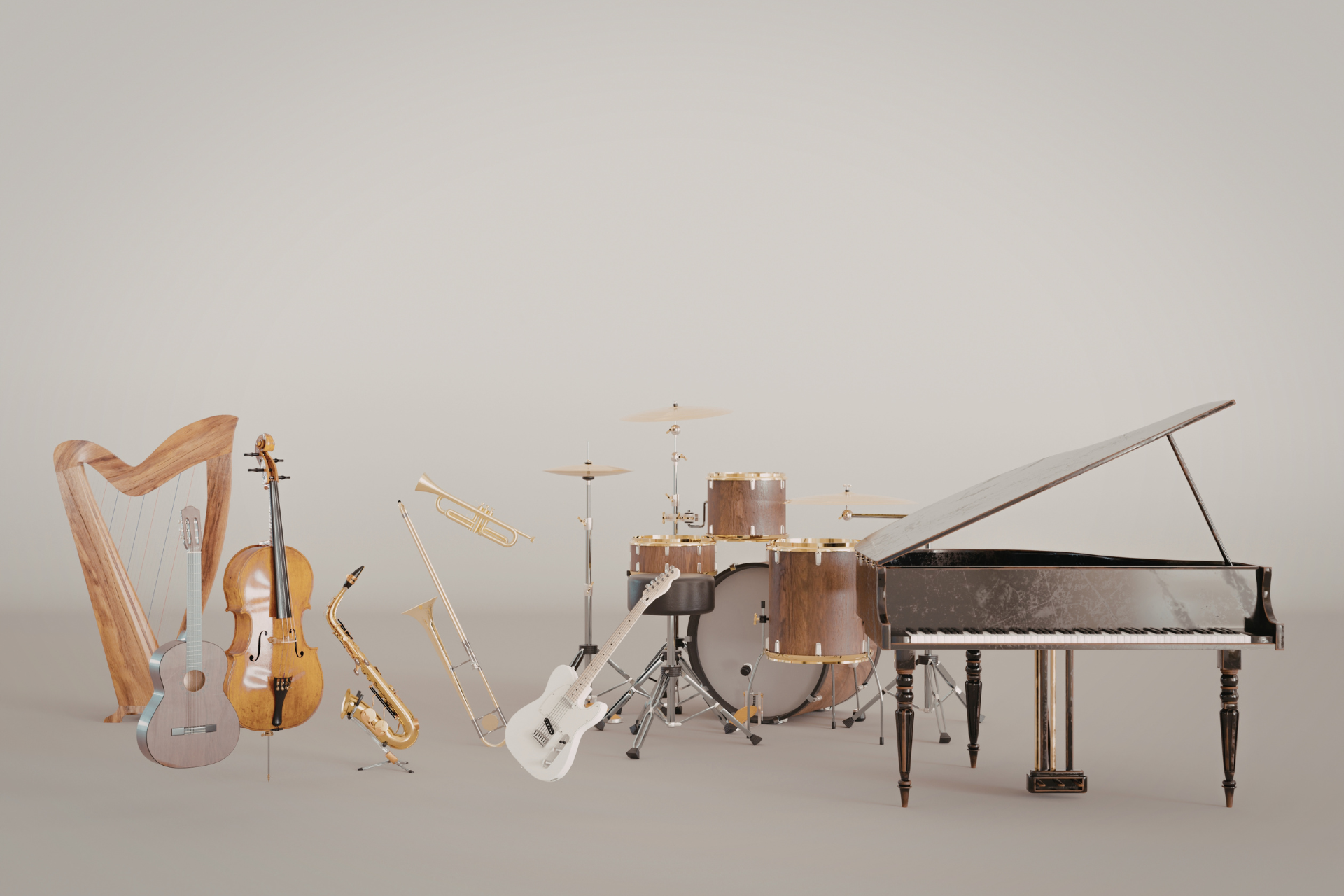
What Instrument Setup Really Means
When musicians think about improving their playing, most focus on technique, practice routines, or even upgrading to a better instrument. What often gets overlooked is how much instrument setup directly affects sound quality. A properly adjusted instrument can completely change the way it sounds, sometimes making a mid-range instrument perform like a premium one.
Instrument setup refers to a series of adjustments made to optimize both playability and tone. These adjustments vary depending on the type of instrument, but generally include string height, neck alignment, tuning accuracy, and hardware positioning. When these elements are properly balanced, the instrument produces clearer, more consistent sound quality.
Many players underestimate how much sound quality depends on setup rather than the instrument itself. Even a high-end instrument can sound dull or inconsistent if it is not properly adjusted. On the other hand, a well-maintained instrument with proper setup can deliver impressive tone, sustain, and clarity.
How String Height Influences Sound Quality
One of the most noticeable aspects of instrument setup is string height, often referred to as action. This is the distance between the strings and the fretboard. It has a direct impact on both playability and sound quality.
If the action is too high, the strings require more pressure to press down. This can lead to inconsistent playing and fatigue, which affects the overall sound. Notes may sound sharp due to extra pressure, and the tone may lose clarity.
If the action is too low, the strings may buzz against the frets. This buzzing interferes with the vibration of the string, reducing sound quality and making notes sound distorted or unclear. Finding the right balance ensures that each note rings out cleanly and consistently.
Proper string height allows the instrument to vibrate freely, producing a fuller and more controlled tone.
Neck Alignment and Its Impact on Tone
Neck alignment plays a critical role in maintaining consistent sound quality across the entire instrument. Over time, changes in temperature and humidity can cause the neck to shift slightly, affecting how the strings sit on the fretboard.
A poorly aligned neck can create uneven tension across the strings. This leads to dead spots, buzzing, or notes that lack sustain. In some cases, certain areas of the instrument may sound weaker than others.
Adjusting the truss rod helps maintain proper neck curvature. When done correctly, it allows for even string vibration and improved sound quality throughout the instrument.
The Importance of Intonation
Intonation refers to how accurately an instrument stays in tune across all notes. Many musicians assume that tuning the open strings is enough, but intonation ensures that notes remain in tune as you move along the fretboard.
Poor intonation can make chords sound off even when the instrument is technically tuned. This directly impacts sound quality, especially in recordings or live performances where precision matters.
Adjusting intonation involves fine-tuning the length of each string so that notes remain consistent across different positions. When intonation is correct, the instrument produces a more balanced and harmonious sound.
String Quality and Condition
Strings are one of the most important contributors to sound quality. Over time, strings accumulate dirt, oils, and wear, which reduces their ability to vibrate properly.
Old strings often sound dull and lack brightness. They may also lose tuning stability, making it harder to maintain consistent sound quality during a session.
Replacing strings regularly restores clarity and improves overall tone. Different types of strings can also influence sound quality, allowing musicians to tailor their tone to their preferences.
How Setup Affects Resonance and Sustain
Resonance and sustain are key elements of sound quality. They determine how long a note lasts and how rich it sounds. Proper instrument setup allows vibrations to transfer efficiently through the body of the instrument.
When setup is poor, vibrations are restricted. This leads to shorter sustain and a weaker tone. The instrument may sound flat or lifeless, even if it is made from high-quality materials.
A well-adjusted instrument enhances resonance, allowing notes to ring out naturally. This creates a more dynamic and expressive sound.
Playability and Its Direct Link to Sound Quality
Sound quality is not only about the instrument itself but also about how the player interacts with it. A poorly set-up instrument makes it harder to play accurately, which affects the final sound.
When an instrument is comfortable to play, musicians can focus on expression, timing, and dynamics. This results in smoother transitions between notes and better overall sound quality.
Improved playability also reduces fatigue, allowing for longer and more consistent practice sessions.
Common Setup Issues That Affect Sound Quality
Many musicians experience sound problems without realizing that the setup is the cause. Some common issues include:
- Buzzing strings caused by low action
- Uneven tone across the fretboard
- Difficulty staying in tune
- Loss of sustain and clarity
- Strings feeling too tight or too loose
These issues can often be resolved with proper adjustments, restoring sound quality and performance.
Environmental Factors That Impact Setup
Instrument setup is not a one-time process. Environmental changes such as temperature and humidity can affect the structure of the instrument.
Wood expands and contracts depending on the climate. This can alter neck alignment, string height, and overall setup. As a result, sound quality may change over time.
Regular maintenance ensures that the instrument remains in optimal condition regardless of environmental changes.
When You Should Adjust Your Setup
Knowing when to adjust your instrument setup is important for maintaining sound quality. Signs that your setup needs attention include:
- Increased buzzing or rattling
- Notes sounding out of tune in certain positions
- Reduced clarity or sustain
- Difficulty playing comfortably
Addressing these signs early prevents further issues and keeps your instrument performing at its best.
Why Setup Matters More Than Upgrading
Many musicians consider upgrading their instrument when they are unhappy with their sound. However, setup is often the real issue.
A proper setup can dramatically improve sound quality without the need for a new instrument. It allows you to get the most out of what you already own.
Understanding how setup affects sound quality helps you make smarter decisions about your instrument and your playing.
Final Thoughts on Sound Quality and Setup
Instrument setup is one of the most important factors in achieving great sound quality. It influences tone, resonance, playability, and overall performance.
Taking the time to properly adjust and maintain your instrument ensures that it consistently delivers the sound you expect. Whether you are a beginner or an experienced musician, setup should always be a priority.
If your instrument does not feel or sound right, it may not be the instrument itself. It is often the setup that needs attention.
For players looking to improve their sound quality and get more out of their instruments, visiting Rhythm Music Shop is a practical step toward better performance.