
General Articles
How Practice Environment Affects Musical Progress
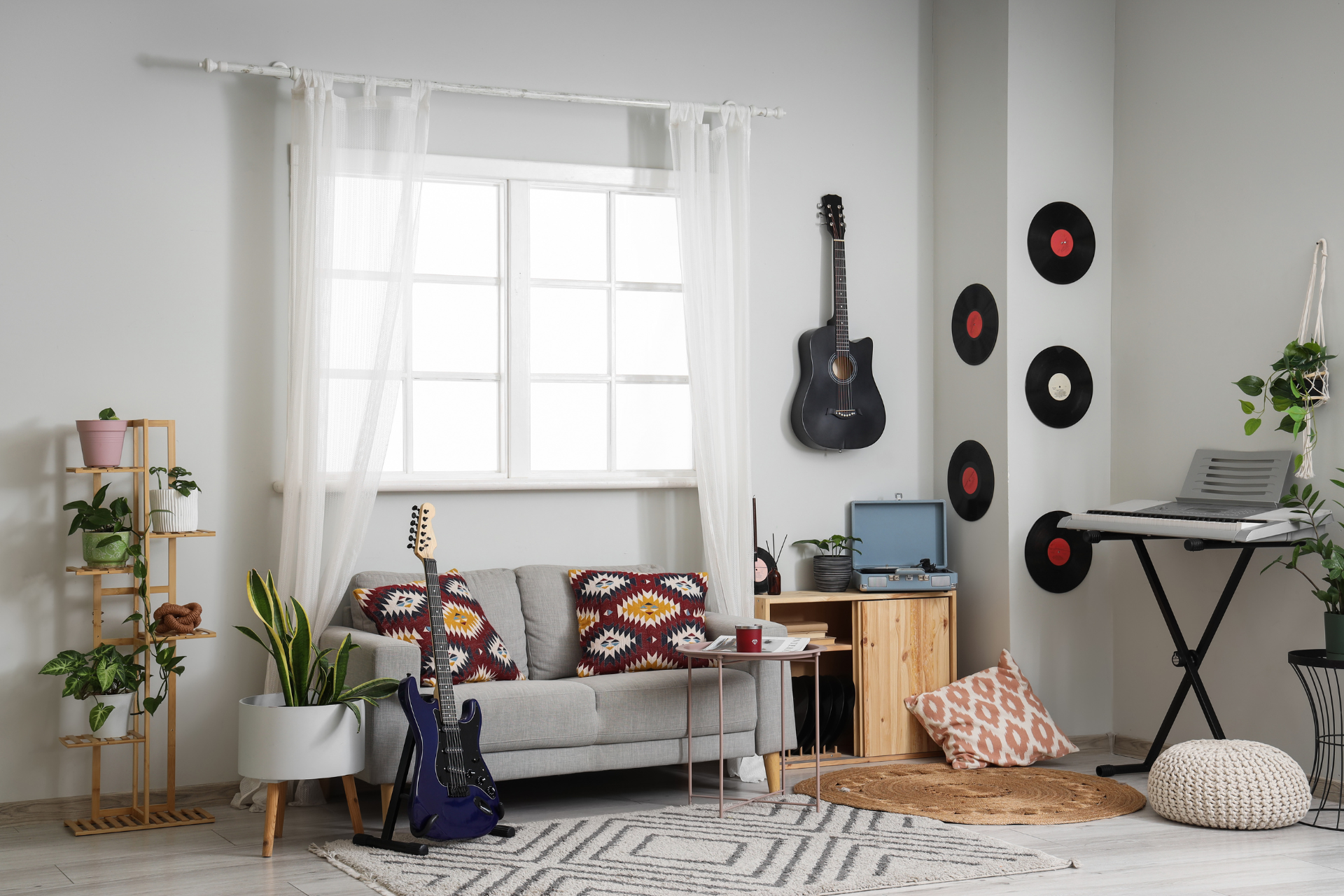
Many musicians spend a great deal of time thinking about scales, repertoire, technique, and instrument quality, yet they often overlook one of the most influential factors in musical development: the practice environment. Where you practice can shape how well you focus, how long you stay engaged, how motivated you feel, and how effectively you absorb what you are trying to learn. Even highly talented players can struggle to progress if their environment constantly interrupts concentration or creates unnecessary physical and mental discomfort.
A productive practice environment is not about luxury. It does not require a professionally designed studio or expensive equipment. What it does require is intention. A musician who understands how surroundings affect discipline and performance can make simple adjustments that lead to stronger daily habits and better long term results. The room, the chair, the lighting, the level of noise, the position of the instrument, and even the emotional feeling of the space all contribute to the quality of practice.
Musical growth is usually the result of steady repetition and thoughtful attention rather than dramatic moments of inspiration. Because of that, anything that supports consistency becomes valuable. A strong practice environment helps create the conditions for consistency. It encourages musicians to return to their instrument regularly, stay mentally present, and work with greater purpose. Over time, that kind of environment can make a major difference in how quickly and confidently a musician improves.
Why Environment Matters More Than Many Musicians Think
Practice is not only about time spent with an instrument. It is also about the quality of attention during that time. A musician can sit with an instrument for an hour and make less progress than someone who practiced for thirty focused minutes in a supportive environment. The difference often comes down to distractions, comfort, mental readiness, and physical setup.
When a practice space makes concentration difficult, the mind has to work harder just to remain engaged. That leaves less energy for learning rhythm, refining intonation, shaping phrasing, or correcting technique. On the other hand, when the environment supports focus, the brain can dedicate more attention to actual musical problem-solving. This leads to more efficient practice and stronger retention.
Environment also affects emotional association. If practice always happens in a chaotic or uncomfortable setting, it can start to feel frustrating before the musician even begins. If the environment feels calm, organized, and purposeful, practice becomes easier to approach. This matters because motivation is not always natural. Often, motivation grows from having a routine that feels manageable and rewarding.
Practice Quality Is Often Stronger Than Practice Quantity
Many musicians assume progress comes mainly from practicing longer. In reality, a clean and focused environment often allows a shorter session to become far more productive. A distracted hour may include repeated mistakes, weak listening, and poor concentration. A focused half hour may include careful repetition, meaningful correction, and real improvement.
This does not mean duration is unimportant. It means duration works best when the environment supports active learning. A musician who protects focus is usually able to get more out of every minute.
The Value of a Dedicated Practice Space
One of the most helpful things a musician can do is establish a dedicated area for practice. This does not need to be a separate room. It could be a specific corner of a living room, an office, a bedroom, or another quiet part of the home. What matters is consistency. Returning to the same place trains the mind to associate that area with musical work.
A dedicated practice space reduces the friction that often leads to procrastination. When the instrument is difficult to access, when the stand has to be set up from scratch every time, or when the musician has to search for books and accessories before starting, practice can feel like a burden. A ready space makes beginning easier. That matters because getting started is often the hardest part.
A dedicated area also creates routine. Routine is a powerful force in music education. When the body and mind learn that a certain place is for focused work, entering that space can help trigger mental readiness. Over time, this creates a habit loop that supports consistent practice even on days when enthusiasm is low.
Familiarity Supports Confidence
A familiar environment reduces unnecessary mental noise. The musician knows where everything is, understands how the chair feels, recognizes the acoustics of the room, and feels more settled. That sense of stability can make practice feel more approachable, especially for beginners who already have enough to think about while learning an instrument.
Reducing Noise and Interruptions
Distractions are one of the greatest threats to meaningful musical progress. These distractions may be obvious, such as television, conversations, traffic noise, or constant phone notifications. They may also be more subtle, such as frequent movement in the room, background media, or a sense that someone may interrupt at any moment.
Music requires active listening. A musician needs to hear pitch relationships, rhythm accuracy, tone quality, and dynamic contrast. Noise weakens that ability. If outside sounds constantly compete with the instrument, it becomes more difficult to notice mistakes or shape musical expression with precision.
Interruptions can be even more damaging than steady background noise because they break concentration completely. After an interruption, the mind often needs time to recover its focus. If this happens repeatedly, practice becomes fragmented and less effective.
Protecting Attention During Practice
Silencing a phone, choosing a quieter time of day, closing unnecessary apps, and letting others know when practice is happening can all improve concentration. These are small decisions, but their impact can be significant. A musician who pays attention is more likely to experience deep focus, and deep focus is where some of the best progress happens.
Comfort, Posture, and Physical Setup
A practice environment should support the body as much as the mind. Poor physical setup can cause fatigue, tension, and even injury. When a musician is physically uncomfortable, part of their attention is always being pulled away from the music.
The chair matters. The height matters. The music stand placement matters. The distance between the player and the instrument matters. A pianist needs comfortable bench height and proper hand position. A guitarist needs stable seating and balanced posture. A violinist needs enough room to move freely. Percussion players need setup that allows efficient movement. Every instrument has physical demands, and the environment should help meet them rather than create added strain.
An uncomfortable setup often leads to poor habits. The shoulders rise. The wrists become tense. The back curves unnecessarily. The breathing becomes shallow. These issues can affect tone, endurance, and technical control. Over time, they can slow progress because the musician is not practicing with freedom and efficiency.
Small Physical Improvements Can Lead to Better Practice Sessions
Even modest changes can help. A better chair, a properly adjusted stand, stronger lighting, and enough room to sit or stand naturally can improve posture and reduce tension. When the body feels supported, the musician can focus more fully on sound and technique.
Lighting and Visual Clarity
Lighting may seem like a minor detail, but it has a direct effect on the quality of practice. Poor lighting strains the eyes, makes reading music harder, and contributes to mental fatigue. Good lighting helps the musician read notation clearly, observe hand position, and stay engaged for longer periods.
Musicians often shift between looking at music, glancing at the instrument, and listening closely. If visual strain enters the process, focus drops more quickly. Good lighting creates ease. It removes one more barrier between the musician and the work.
Natural light can be especially helpful when available, but consistent artificial lighting is also important, especially during evening practice sessions. The goal is not brightness alone. The goal is clarity without discomfort.
Organization and Mental Readiness
A cluttered space often leads to a cluttered mind. If a musician sits down in an area full of unrelated items, unfinished tasks, and visual distractions, the brain may stay partially engaged with those things instead of music. An organized space supports clarity and reduces the feeling of mental overload.
This does not mean the room must be spotless. It means the practice area should feel intentional. The instrument should be accessible. Sheet music should be easy to reach. Pencils, tuners, picks, mallets, or other accessories should have a place. When the environment feels prepared, the musician is more likely to work with a prepared mindset.
Order Encourages Routine
Organization makes it easier to begin and easier to continue. If every session starts with searching for materials, mental energy is wasted before real practice even begins. A tidy and functional setup helps musicians move directly into focused work.
Emotional Atmosphere and Motivation
A practice environment also has an emotional side. Spaces carry feeling. Some environments feel stressful, crowded, or uninspiring. Others feel calm, creative, and welcoming. This emotional atmosphere affects whether the musician wants to return regularly.
A positive environment can strengthen motivation by making practice feel less like an obligation and more like a meaningful personal routine. This might include simple touches such as a neat setup, pleasant lighting, a comfortable temperature, or inspiring visual elements. The goal is not decoration for its own sake. The goal is to create a place where musical effort feels supported.
A Welcoming Space Helps Build Long Term Discipline
Discipline is easier to maintain when the environment does not create resistance. If the space feels unpleasant, every practice session begins with an extra psychological hurdle. If it feels supportive, the habit becomes easier to sustain.
Adapting the Environment to Different Types of Practice
Not every practice session has the same purpose. Some days focus is on technique. Some days it is on memorization, interpretation, songwriting, improvisation, or recording. A strong practice environment can be flexible enough to support these different goals.
A technical session may require strong lighting, a metronome, and easy access to exercises. A creative session may benefit from a quieter and more relaxed atmosphere. A recording session may require careful attention to room noise and acoustics. Musicians who understand their own needs can make simple adjustments that match the purpose of the session.
Matching the Space to the Task
When environment supports the specific type of work being done, practice becomes more targeted and effective. This kind of intentionality helps musicians make better use of time and effort.
Long-term progress comes from repeatable conditions
One excellent practice session does not create mastery. Progress usually comes from many sessions performed under conditions that allow meaningful repetition. That is why the environment matters so much. It is part of what makes good work repeatable.
A musician who creates a reliable practice environment is investing not only in current sessions but in future growth. That space becomes part of a larger system of development. It supports concentration, protects posture, reduces distractions, and encourages consistency. Those factors compound over time.
Final Thoughts
The practice environment is not a minor detail. It is one of the quiet forces that shapes how musicians learn, focus, and progress. A well considered space helps transform practice from scattered effort into purposeful development. It supports attention, physical comfort, emotional readiness, and repeatable routine. Even small improvements in environment can lead to noticeable improvements in discipline and results.
If you are looking for quality instruments and helpful guidance to support your musical progress, Rhythm Music Shop in Markham is ready to help.