
General Articles
The Connection Between Music and Cultural Identity
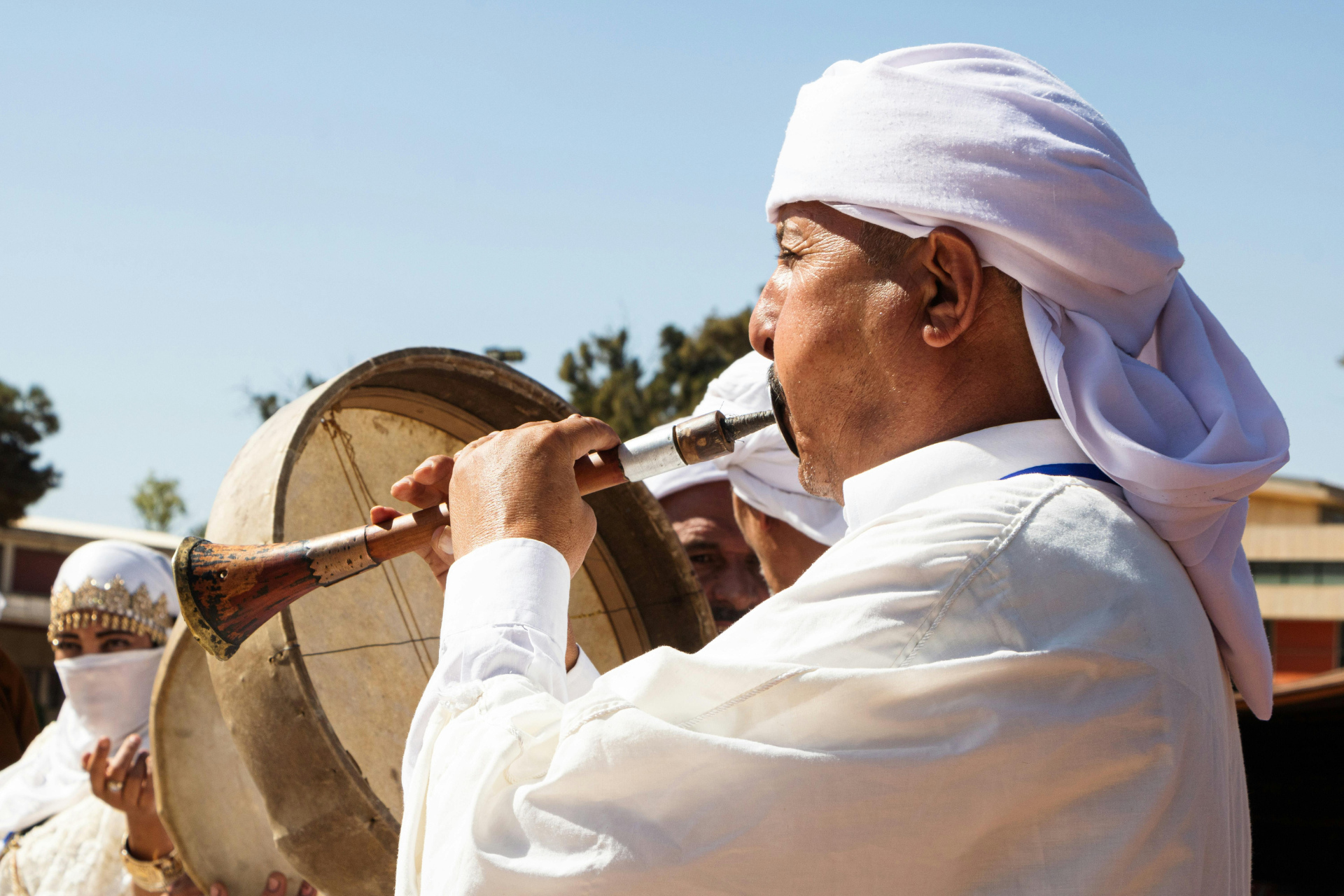
Music is far more than entertainment. Across every continent and throughout human history, music has helped communities preserve traditions, celebrate important events, communicate values, and strengthen social bonds. Whether performed during religious ceremonies, family gatherings, national celebrations, or everyday life, music often reflects the beliefs and experiences of the people who create it. This deep relationship explains why cultural identity and music are so closely connected.
Every culture develops unique musical characteristics shaped by geography, language, history, religion, and social traditions. Instruments, rhythms, melodies, and performance styles often become recognizable symbols of a community's heritage. Even as societies change and technology continues to influence how music is created and shared, music remains one of the strongest ways people express who they are and where they come from.
Understanding the connection between music and cultural identity reveals how sound becomes a powerful tool for preserving heritage, building community, and passing traditions from one generation to the next.
What Is Cultural Identity?
Cultural identity refers to the shared values, traditions, customs, beliefs, and experiences that connect people within a particular group or community.
This identity may be shaped by:
-
Ethnic background
-
National heritage
-
Language
-
Religion
-
Regional traditions
-
Family history
-
Shared experiences
Cultural identity provides individuals with a sense of belonging and connection to something larger than themselves.
Music often serves as one of the most visible and emotional expressions of that identity. Through songs, instruments, and performance traditions, communities communicate stories about who they are and what they value.
Why Music Reflects Cultural Identity
Music develops within specific cultural environments. As a result, it naturally reflects the traditions and experiences of the people who create it.
Different cultures often develop unique approaches to:
-
Rhythm
-
Melody
-
Instrument design
-
Vocal techniques
-
Performance practices
-
Song structure
These musical characteristics become recognizable markers of identity over time.
When people hear traditional music from their own culture, they often experience feelings of familiarity, pride, nostalgia, and connection.
Music as a Cultural Signature
Just as language can identify a community, music can serve as a cultural signature.
Certain sounds immediately evoke particular regions or traditions. A listener may recognize the influence of Persian music, Indigenous drumming, Irish folk music, Indian classical music, or West African percussion within moments of hearing it.
These musical signatures help preserve cultural distinctions while celebrating the uniqueness of different communities.
The Role of Music in Preserving History
Long before written records became common, music helped preserve important cultural knowledge.
Songs often carried information about:
-
Historical events
-
Family lineage
-
Religious teachings
-
Community values
-
Traditional stories
-
Cultural customs
By passing songs from one generation to another, communities were able to preserve knowledge that might otherwise have been lost.
Oral Traditions and Memory
In many cultures, music remains closely connected to oral tradition.
Songs can make information easier to remember because rhythm and melody strengthen memory retention. This allows important stories and teachings to survive for centuries.
Even today, traditional songs often serve as living records of a community's history and collective experience.
Traditional Instruments as Cultural Symbols
Musical instruments often become powerful symbols of cultural identity.
Many instruments are closely associated with specific regions, communities, or traditions.
Examples include:
-
The oud in the Middle East
-
The sitar in India
-
The shamisen in Japan
-
The bagpipe in Scotland
-
The kora in West Africa
-
The tombak in Persian music
These instruments represent more than musical tools. They often embody cultural heritage and artistic traditions that have developed over generations.
The Importance of Instrument Craftsmanship
Traditional instrument making frequently involves specialized techniques passed down through families and communities.
The construction process itself becomes part of cultural preservation.
By maintaining traditional craftsmanship, instrument makers help ensure that important aspects of cultural identity remain alive for future generations.
Music and Community Belonging
One of music's most important social functions is its ability to bring people together.
Shared musical experiences help strengthen relationships and create a sense of community.
Music often accompanies:
-
Weddings
-
Religious ceremonies
-
Cultural festivals
-
National celebrations
-
Family gatherings
-
Community events
These occasions reinforce social bonds while reminding participants of their shared heritage.
Creating a Sense of Connection
People often feel connected to others who share similar musical traditions.
Participating in cultural music activities allows individuals to express belonging while strengthening community identity.
This connection becomes particularly meaningful during important life events and cultural celebrations.
How Music Shapes Personal Identity
While music reflects collective identity, it also influences individual identity.
Many people use music to explore and express who they are.
For individuals growing up within a particular culture, traditional music can help strengthen their understanding of family history, heritage, and community values.
Learning Through Music
Children are often introduced to cultural traditions through music at an early age.
Songs may teach:
-
Language
-
Social customs
-
Historical knowledge
-
Religious values
-
Cultural practices
These musical experiences help shape personal identity while reinforcing connections to broader cultural traditions.
As people grow older, music often continues serving as a reminder of their roots and heritage.
Music and Cultural Identity in Immigrant Communities
The relationship between music and cultural identity becomes especially important within immigrant communities.
When families move to new countries, music often serves as a bridge between past and present.
Traditional music can help preserve cultural connections even when people live far from their ancestral homeland.
Maintaining Heritage Across Generations
Second and third generation family members may experience cultural traditions differently from their parents or grandparents.
Music helps maintain continuity by providing a direct connection to heritage.
Through traditional songs and instruments, younger generations can learn about:
-
Family history
-
Cultural values
-
Traditional celebrations
-
Language
-
Artistic expression
Music often becomes one of the most accessible ways to preserve cultural identity across generations.
The Influence of Religion on Musical Identity
Religious traditions have shaped many musical cultures throughout history.
In numerous societies, music plays a central role in spiritual practice.
Religious music often reflects:
-
Sacred teachings
-
Community values
-
Ceremonial traditions
-
Shared beliefs
These musical forms contribute significantly to cultural identity by reinforcing collective spiritual experiences.
Music in Ceremonial Life
Many religious communities use music during important ceremonies and gatherings.
The sounds associated with these events often become deeply meaningful to participants.
Over time, specific musical traditions become inseparable from cultural and spiritual identity.
Cultural Exchange and Musical Evolution
Cultures are not static. Throughout history, migration, trade, and communication have encouraged interaction between different musical traditions.
These exchanges often lead to new forms of artistic expression.
When Traditions Meet
Cultural interaction can introduce:
-
New instruments
-
Different rhythms
-
Alternative scales
-
Innovative performance styles
Rather than weakening cultural identity, these influences often contribute to its evolution.
Many musical genres that exist today emerged through the blending of multiple cultural traditions.
This process demonstrates that cultural identity can remain strong while continuing to adapt and grow.
The Role of Music During Cultural Celebrations
Festivals and celebrations provide important opportunities for communities to express cultural identity through music.
Traditional performances often highlight the values, history, and artistic achievements of a culture.
Strengthening Cultural Pride
Public musical performances help communities:
-
Preserve traditions
-
Share heritage
-
Educate younger generations
-
Celebrate achievements
-
Strengthen cultural pride
These events create opportunities for people to reconnect with traditions while sharing them with broader audiences.
Music becomes a visible and audible expression of community identity.
How Technology Has Changed Cultural Music
Modern technology has transformed how music is recorded, shared, and consumed.
Today, traditional music can reach global audiences through streaming platforms, social media, and digital archives.
Opportunities and Challenges
Technology creates opportunities for cultural preservation by making traditional music more accessible.
Benefits include:
-
Greater exposure
-
Easier documentation
-
Global accessibility
-
Educational resources
However, some communities also face challenges related to maintaining authenticity and preserving traditional practices.
Balancing innovation with preservation remains an important consideration for many cultural groups.
Why Traditional Music Still Matters
In a world where musical influences travel rapidly across borders, traditional music continues to play an important role.
People often seek meaningful connections to their heritage, particularly during periods of social change or cultural transition.
Traditional music provides:
-
Continuity
-
Familiarity
-
Historical perspective
-
Community connection
-
Cultural understanding
These qualities help explain why traditional musical practices remain valuable even within modern societies.
More Than Entertainment
Traditional music serves purposes that extend beyond performance.
It helps communities remember their history, celebrate their identity, and maintain connections between generations.
This enduring relevance demonstrates the powerful relationship between music and cultural identity.
Where Heritage Finds Its Voice
The connection between music and cultural identity extends far beyond melodies and rhythms. Music preserves stories, strengthens communities, supports personal identity, and helps cultures maintain continuity across generations. Through instruments, songs, ceremonies, and shared experiences, people express who they are and where they come from.
As societies continue to evolve, music remains one of the most effective ways to preserve cultural heritage while creating meaningful connections between past and present. Whether performed during family gatherings, cultural celebrations, or community events, music continues to give voice to traditions that shape individual and collective identity. Its ability to unite people, communicate history, and celebrate heritage ensures that its role within cultural identity will remain significant for generations to come.
Explore traditional and contemporary musical instruments at Rhythm Music Shop in Markham and discover instruments that celebrate musical heritage from cultures around the world.