
General Articles
Why Certain Instruments Feel Emotional to Different Cultures
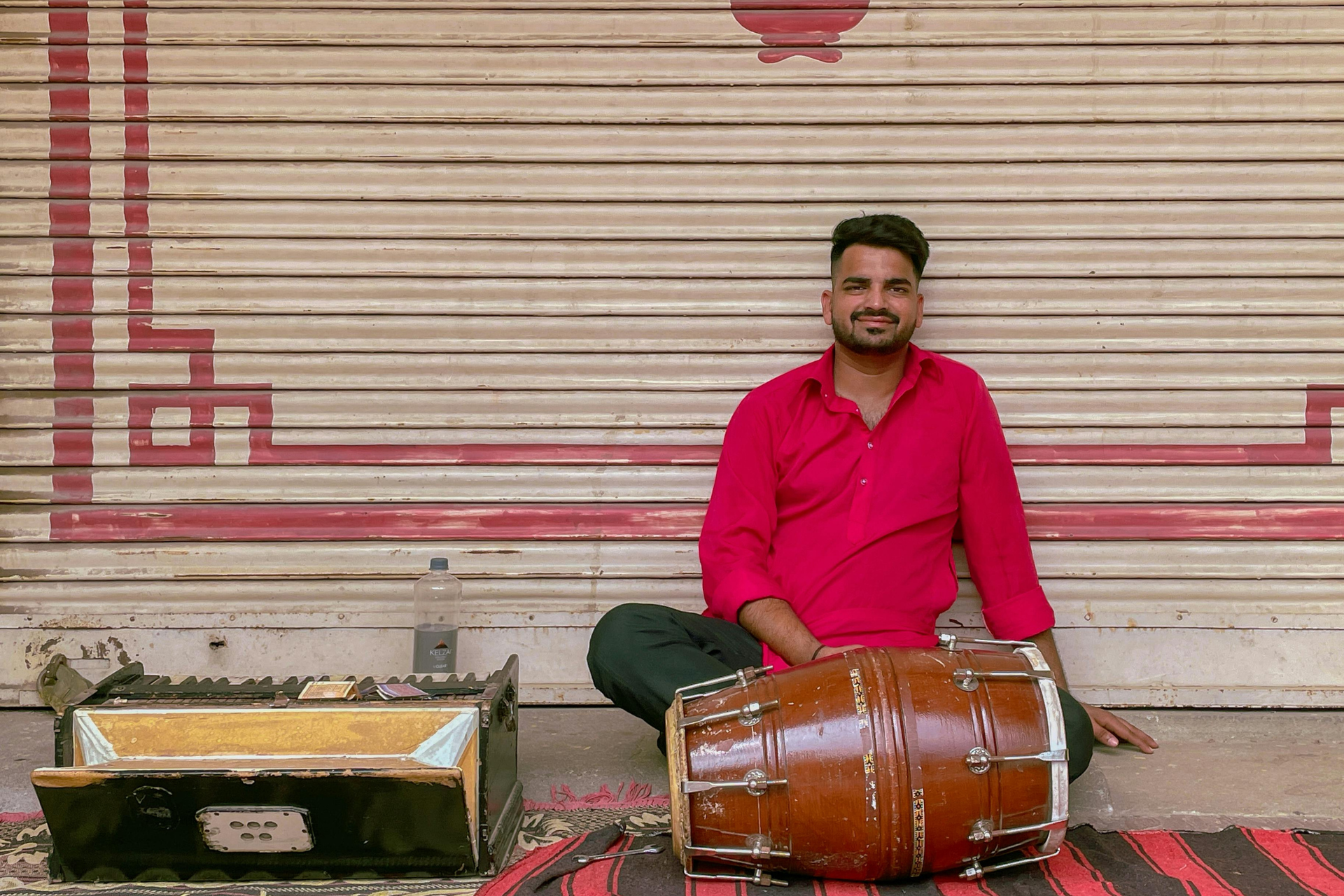
The Connection Between Music and Human Emotion
Music has the ability to create emotional reactions almost instantly. A single melody, rhythm, or tone can remind people of childhood memories, family traditions, religious ceremonies, celebrations, or even periods of hardship. While music is universal, emotional responses to instruments are often shaped by culture, environment, and upbringing.
People from different cultures grow up hearing specific instruments during important life moments. Over time, those sounds become emotionally connected to identity and memory. An instrument may sound joyful to one culture, spiritual to another, or deeply nostalgic to someone else. These emotional connections are not random. They are built through repeated experiences passed down across generations.
The emotional power of musical instruments goes far beyond entertainment. In many societies, instruments become symbols of belonging, storytelling, and cultural continuity.
Why Instruments Carry Cultural Identity
Certain instruments become closely tied to the identity of a region or community because they are consistently used in traditional music, ceremonies, and celebrations. Over time, these instruments begin to represent more than sound alone.
For example, instruments such as the sitar in India, the oud in the Middle East, the shamisen in Japan, or the bagpipes in Scotland immediately create cultural associations. Even people unfamiliar with the technical aspects of these instruments can often recognize the emotional atmosphere they create.
This connection develops because music is frequently tied to important cultural experiences, such as:
- Weddings
- Religious gatherings
- National celebrations
- Family events
- Historical storytelling
- Seasonal festivals
When instruments appear repeatedly during meaningful experiences, they begin to hold emotional significance within different cultures.
Sound as a Form of Cultural Memory
Music often acts as a living archive of history. Long before written records became common, communities passed stories, traditions, and values through music and oral performance.
Instruments became part of that historical memory. Their sound reminded people of ancestors, migration, hardship, victories, and spiritual beliefs. Even today, hearing a traditional instrument can create feelings of pride or nostalgia because it reconnects listeners to their roots.
For immigrants and diaspora communities, traditional instruments often become even more emotional because they represent a connection to home and heritage.
How Childhood Exposure Shapes Emotional Responses
One major reason instruments feel emotional to different cultures is early exposure during childhood. Human brains form strong emotional associations with sounds experienced repeatedly at a young age.
Children who grow up hearing traditional instruments during family gatherings or celebrations naturally develop emotional attachment to those sounds. Later in life, those instruments may trigger comfort, familiarity, or emotional reflection.
This process happens across all cultures. Someone raised around Persian music may emotionally connect to the sound of the tar or santur. Someone raised in Latin American communities may respond emotionally to the guitar or accordion. Another person raised around gospel music may associate organ sounds with spirituality and community.
These emotional reactions are deeply personal, but they are also shaped collectively through culture.
Emotional Familiarity Versus Musical Complexity
Interestingly, emotional attachment often has less to do with musical complexity and more to do with familiarity. A simple instrument heard consistently throughout life may create a stronger emotional reaction than a technically advanced instrument from another culture.
People tend to emotionally trust sounds that feel familiar. Familiarity creates psychological comfort, and music becomes part of that emotional environment.
The Role of Religion and Spiritual Traditions
Religion has historically played a major role in shaping emotional responses to musical instruments. Across different cultures, instruments are often used during prayer, meditation, rituals, and sacred ceremonies.
Because these moments are emotionally intense, the instruments used within them gain deeper meaning over time.
Examples include:
- Bells in Christian churches
- Frame drums in Middle Eastern spiritual traditions
- Flutes in Indigenous ceremonies
- Gongs in East Asian temples
- Chant accompanied by string instruments in South Asian traditions
In these settings, instruments are not simply musical tools. They become associated with reflection, spirituality, discipline, and collective emotional experiences.
Sacred Sounds and Emotional Weight
Some cultures even consider certain instruments sacred or spiritually symbolic. The sound itself may be believed to carry healing, emotional cleansing, or connection to something beyond ordinary life.
This creates a different type of emotional relationship with music. Instead of viewing instruments only as entertainment, communities may see them as part of spiritual identity.
That emotional depth often remains strong even as societies modernize.
Why Traditional Instruments Often Feel More Emotional
Traditional instruments frequently create stronger emotional reactions because they carry visible cultural history. Many are handmade using methods passed through generations, and their sound differs greatly from modern digital production.
The imperfections, textures, and tonal uniqueness of traditional instruments often feel more human and organic to listeners.
People may emotionally respond to:
- Natural resonance
- Distinct tuning systems
- Regional playing styles
- Handmade craftsmanship
- Historical authenticity
Traditional instruments often sound tied to a specific place and community. That uniqueness helps preserve emotional connection within different cultures.
The Importance of Imperfection in Sound
Modern music production often aims for technical perfection, but emotional connection does not always come from perfection. Slight tonal inconsistencies, finger noise, breath sounds, and natural resonance can make music feel more personal.
Traditional instruments frequently preserve these characteristics. As a result, listeners may perceive them as more emotionally honest or expressive.
Migration and the Evolution of Emotional Music
As people move across countries and continents, they bring musical traditions with them. Instruments become part of cultural preservation in new environments.
This creates interesting emotional layers. A traditional instrument may represent:
- Home
- Identity
- Family history
- Survival
- Adaptation
- Community connection
In multicultural societies, younger generations often grow up blending modern influences with traditional music. This creates entirely new emotional relationships with instruments.
For example, musicians may combine traditional Persian instruments with jazz, electronic music, or rock. While the musical style evolves, the emotional attachment to the instrument often remains.
Instruments as Symbols of Resilience
In some cases, instruments become symbols of cultural resilience. Communities that experience displacement, discrimination, or political hardship may preserve musical traditions as a way to protect identity.
The emotional importance of these instruments becomes even stronger because they represent continuity during change.
How Film and Media Influence Emotional Perception
Modern media has also influenced how different cultures emotionally interpret instruments. Film scores, television, documentaries, and online media often associate certain instruments with specific emotions or environments.
For example:
- Violins may suggest sadness or emotional intensity
- Drums may create tension or excitement
- Flutes may feel peaceful or reflective
- Traditional instruments may create feelings of history or distance
Repeated exposure through media reinforces these emotional associations over time.
However, cultural context still matters. The same instrument may create completely different emotional reactions depending on the listener’s background and experiences.
Why Some Sounds Feel Instantly Nostalgic
Nostalgia is one of the strongest emotional reactions tied to music. Instruments often become emotional because they remind people of earlier stages of life.
This may include:
- Family gatherings
- Childhood celebrations
- Cultural festivals
- Religious events
- Old recordings
- Traditional dances
The emotional brain stores music alongside memory. Hearing a familiar instrument years later can instantly reconnect someone to moments they have not thought about in a long time.
This explains why traditional music remains emotionally powerful across generations within different cultures.
The Relationship Between Memory and Sound
Scientists have found that music activates areas of the brain linked to memory and emotion simultaneously. Because of this, instruments associated with meaningful experiences often leave long-lasting emotional impressions.
Unlike visual memories, sound can sometimes bypass logical thinking and create an immediate emotional response.
That reaction helps explain why people often feel emotionally connected to instruments even when they cannot fully explain why.
The Emotional Language of Rhythm and Tone
Different cultures also develop emotional relationships with rhythm patterns, scales, and tonal systems unique to their musical traditions.
Western music often relies on major and minor tonal systems, while many Middle Eastern, Asian, and African traditions use scales and intervals that create entirely different emotional textures.
To someone unfamiliar with a musical system, certain sounds may feel unusual at first. But within the culture where those sounds are common, they may communicate joy, sorrow, longing, or celebration very clearly.
This demonstrates that emotional interpretation of music is partly learned through cultural exposure.
Emotional Meaning Changes Across Cultures
An instrument associated with mourning in one culture may be connected to celebration in another. Emotional meaning is not fixed. It develops through social and historical context.
That is why learning about instruments from different cultures often expands musical understanding and emotional awareness.
How Globalization Is Changing Musical Emotion
Today, musicians have access to instruments and music styles from all over the world. This has created new opportunities for cultural exchange and artistic experimentation.
As listeners become exposed to more international music, emotional boundaries between instruments are slowly expanding. People increasingly form emotional attachments to instruments outside their own cultural background.
At the same time, there is a growing appreciation for preserving traditional music and instrument craftsmanship.
Many musicians and listeners are realizing that traditional instruments offer emotional depth that modern digital production sometimes struggles to replicate.
When Sound Becomes Part of Identity
Instruments become emotional because they are woven into personal and collective identity. They carry memory, history, spirituality, tradition, and human experience.
Across different cultures, instruments help people express emotions that words alone cannot fully communicate. Their sounds become attached to celebrations, grief, migration, belonging, and artistic expression.
That emotional relationship continues evolving with every generation. Even as music changes, instruments remain powerful symbols of cultural connection and emotional storytelling.
Whether traditional or modern, the instruments people connect with most deeply are often the ones that remind them who they are, where they come from, and what experiences shaped them.
If you are interested in exploring traditional and modern instruments from around the world, Rhythm Music Shop in Markham offers a wide selection for musicians of all experience levels.