
General Articles
Why Some Instruments Become A Family Heirlooms
The Deep Emotional Connection Between Families and Instruments
Music has always played a major role in human life. Across generations, instruments have been present during celebrations, religious gatherings, weddings, holidays, and personal milestones. Over time, certain instruments become far more than tools for making music. They become emotional objects tied to identity, memory, and family history.
This is one reason some instruments eventually become a family heirloom. Their value grows through the experiences attached to them rather than through price alone. A guitar passed down from a grandfather, a piano that sat in a childhood home for decades, or a traditional string instrument used during family gatherings can hold emotional significance that cannot easily be replaced.
Unlike many possessions, musical instruments are highly personal. They physically carry the marks of use, age, and interaction. The sound produced by an instrument may even remind family members of a loved one who once played it. These emotional layers help transform ordinary instruments into meaningful heirloom pieces.
Why Instruments Hold More Emotional Value Than Other Objects
Many household items are inherited across generations, but instruments often create a stronger emotional attachment because they combine craftsmanship with personal expression.
An instrument reflects:
- Personality
- Musical taste
- Discipline
- Creativity
- Cultural identity
- Family tradition
When someone spends years practicing and performing with an instrument, the object becomes closely associated with that individual. Family members may remember hearing specific songs, practice routines, or performances connected to that instrument.
This emotional relationship continues even after the original owner is gone. The instrument becomes a reminder of voice, presence, and shared memories.
The Difference Between Ownership and Connection
People may own many valuable items throughout life, but not every possession becomes emotionally important. Musical instruments often create a stronger connection because they actively participate in life experiences.
A piano used during holidays becomes part of family traditions. A violin played during childhood lessons may symbolize years of growth and dedication. These repeated experiences gradually transform the instrument into something emotionally permanent.
That emotional permanence is often what defines a true heirloom.
The Role of Craftsmanship in Creating an Heirloom Instrument
Many instruments become heirloom pieces because they are built to last for generations. Traditional craftsmanship, high-quality materials, and careful maintenance allow certain instruments to age gracefully rather than deteriorate quickly.
Wooden instruments, in particular, often develop richer tonal characteristics over time. Older violins, guitars, ouds, pianos, and other acoustic instruments may gain warmth and resonance through years of vibration and natural aging.
This long lifespan contributes to their emotional value. Families begin to see the instrument as something enduring rather than temporary.
Handmade Instruments Carry Individual Character
Handcrafted instruments frequently hold even greater heirloom value because no two are completely identical. Small differences in wood grain, carving, tuning response, and tonal quality create a unique personality.
When musicians spend years with a handmade instrument, they often develop a strong attachment to its specific sound and feel. That individuality makes the instrument difficult to replace emotionally, even with a newer or more expensive version.
Over time, the instrument becomes connected to family identity itself.
Cultural Traditions and Musical Inheritance
In many societies, passing down musical instruments is a respected cultural tradition. Instruments are not simply inherited for financial reasons. They are entrusted to preserve artistic and cultural continuity.
Across different cultures, traditional instruments often represent:
- Heritage
- Community identity
- Spiritual practices
- Historical preservation
- Family lineage
For example, traditional Persian instruments, classical violins, Indigenous drums, Middle Eastern ouds, or folk instruments from various regions may remain within families for generations.
The instrument becomes a bridge between past and present.
Preserving Cultural Identity Through Music
Families often pass down instruments because they want younger generations to remain connected to their roots. Music provides one of the strongest forms of cultural memory.
Even when younger family members grow up in different countries or environments, an heirloom instrument can preserve an emotional connection to heritage and tradition.
This is especially important within immigrant communities where cultural preservation becomes part of family identity.
Why Older Instruments Often Feel More Meaningful
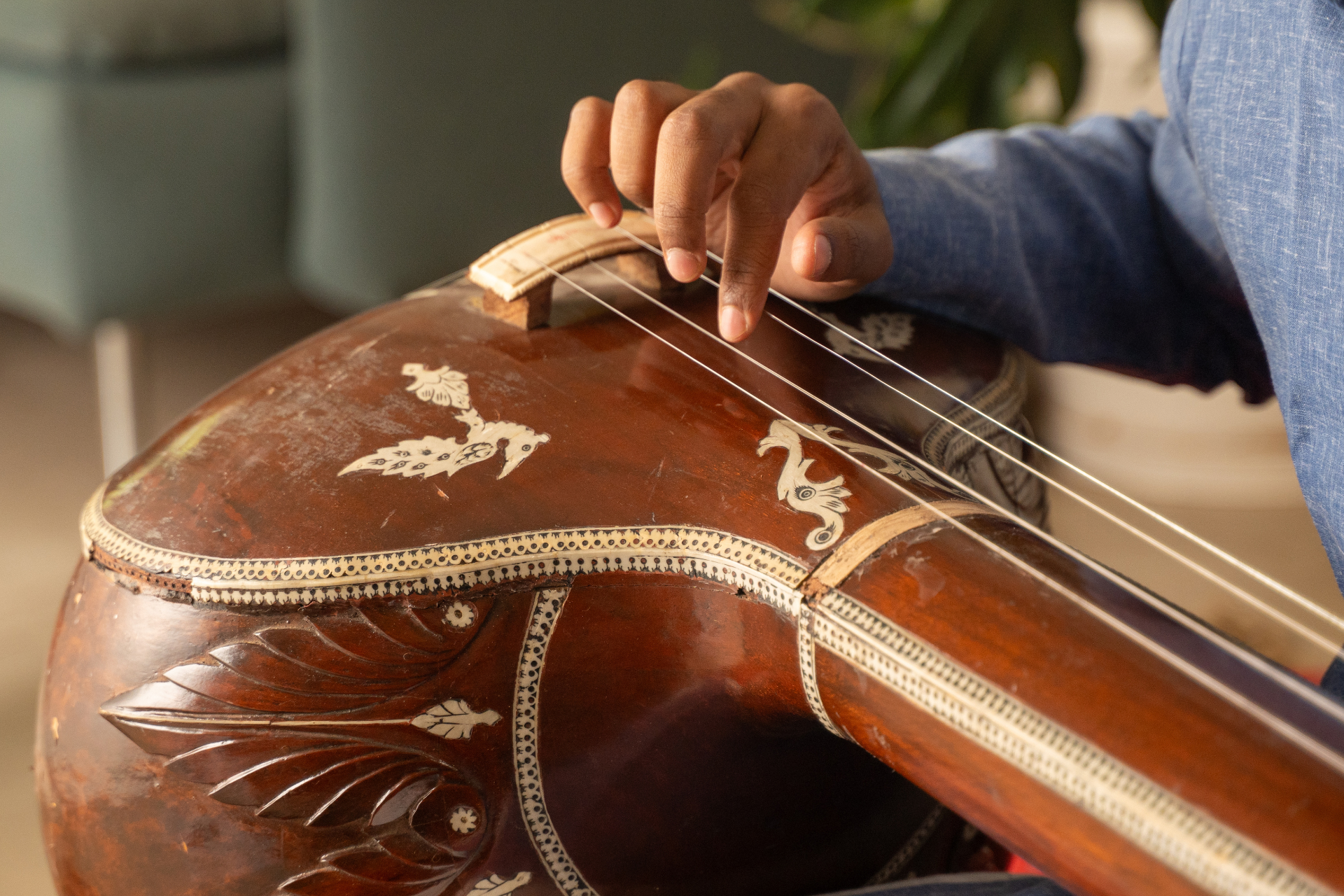
Older instruments frequently carry visible signs of history. Scratches, worn finishes, faded cases, repaired surfaces, and softened wood all tell stories about the instrument’s life.
These imperfections often increase emotional attachment rather than reduce it.
Families may associate specific marks with:
- Performances
- Travel
- Long practice sessions
- Historical events
- Important life moments
Unlike mass produced modern products designed for replacement, older instruments often feel personal and irreplaceable.
The Emotional Weight of Familiar Sound
One of the strongest reasons instruments become an heirloom is sound memory. Family members often remember the exact tone of a loved one’s instrument.
The sound itself becomes emotionally recognizable. Hearing the same instrument years later may immediately trigger memories of childhood, home, or family gatherings.
This type of emotional recall is especially powerful because music strongly activates memory and emotion within the brain.
Instruments as Part of Family Gatherings
Many instruments become emotionally important because they are tied to repeated family experiences. Music often brings people together during meaningful occasions.
Families may associate an instrument with:
- Singing together during holidays
- Religious celebrations
- Wedding performances
- Traditional dances
- Informal home concerts
- Childhood lessons
The instrument becomes part of the emotional atmosphere surrounding those moments.
Shared Experiences Create Lasting Value
An heirloom gains meaning through repeated emotional experiences over time. The more an instrument becomes part of family life, the more significance it develops.
A guitar sitting untouched in storage rarely becomes emotionally important. A guitar consistently played during family events often becomes deeply meaningful across generations.
Emotional value grows through participation and memory.
Why Some Musicians Refuse to Sell Certain Instruments
Professional musicians sometimes own instruments worth significant amounts of money yet still refuse to sell them. This usually happens because emotional attachment outweighs financial value.
An instrument may represent:
- Years of practice
- Personal growth
- Career milestones
- Relationships
- Family influence
- Creative identity
Musicians often describe certain instruments as extensions of themselves because of the time spent together.
When those instruments remain within families, they naturally become heirloom objects.
Sentimental Value Often Exceeds Market Value
Two instruments may appear identical to an outside observer, yet one may carry far greater emotional significance because of its history.
This explains why some heirloom instruments are preserved carefully even when they are no longer played regularly. Their importance exists beyond practical function.
The Role of Maintenance in Preserving an Heirloom
An heirloom instrument requires ongoing care to survive across generations. Proper storage, humidity control, cleaning, and occasional repairs help preserve both structural integrity and sound quality.
Families who preserve instruments successfully often treat them with respect similar to artwork or historical artifacts.
Important maintenance habits include:
- Using protective cases
- Avoiding extreme humidity
- Cleaning regularly
- Replacing worn components carefully
- Scheduling professional adjustments when needed
Well maintained instruments are far more likely to remain playable for future generations.
Repairing Versus Replacing
One reason heirloom instruments survive for decades is that musicians often choose repair over replacement. Instead of discarding an older instrument when problems appear, families invest in restoration because the emotional value justifies preservation.
This mindset differs greatly from modern consumer culture, where many products are designed to be replaced quickly.
How Instruments Connect Generations Emotionally
An heirloom instrument often creates emotional continuity between generations. A child learning on a parent’s or grandparent’s instrument may feel connected to family history in a direct and personal way.
This creates a powerful sense of continuity. Music becomes something shared rather than isolated to one individual.
The instrument may also inspire younger family members to continue musical traditions that might otherwise disappear.
Learning Through Family History
Some families pass down not only the instrument itself but also songs, techniques, and stories associated with it.
This transforms music into an educational and emotional experience. The instrument becomes a teacher of family history as much as a musical tool.
Children who inherit instruments often inherit memories and responsibilities alongside them.
Why Digital Music Has Increased Appreciation for Physical Instruments
Modern technology allows music to be created digitally with incredible convenience. However, this shift has also increased appreciation for physical instruments with real history and craftsmanship.
Many people now value:
- Handmade construction
- Acoustic resonance
- Traditional techniques
- Visible aging
- Historical authenticity
An heirloom instrument offers something digital technology cannot fully replicate. It carries physical connection to real people and lived experiences.
This emotional authenticity continues to matter strongly even in modern music culture.
When Instruments Become Symbols of Legacy
At a certain point, an instrument stops being viewed simply as property. It becomes part of a family’s legacy.
The instrument may symbolize:
- Persistence
- Creativity
- Discipline
- Cultural pride
- Family memory
- Artistic identity
Families often preserve these instruments not because they are obligated to, but because they feel emotionally responsible for protecting something meaningful.
That sense of responsibility is one of the strongest signs that an instrument has truly become an heirloom.
The Stories Hidden Inside the Wood and Strings
Every instrument carries traces of the people who played it. Years of touch, practice, travel, repair, and performance leave behind stories that cannot always be seen directly but are deeply felt by families.
An heirloom instrument becomes valuable because it connects memory with sound, craftsmanship with emotion, and generations with one another. Its importance grows slowly through repeated experiences and shared moments.
Long after the original owner is gone, the instrument often continues speaking through music, memory, and tradition. That lasting emotional presence is what transforms certain instruments into treasured family heirlooms.
If you are looking for quality instruments with lasting craftsmanship and character, Rhythm Music Shop in Markham offers a wide selection for musicians of all experience levels.