
Recently Added Articles

The Soul of Persia in Its Music
Persian music is a soulful reflection of a culture rich in poetry, spirituality, and artistic tradition. Rooted in centuries of history, it blends intricate melodies, unique instruments like the tar and santur, and deep philosophical meaning. This article explores how Persian culture has shaped its music, from ancient poetry and Sufi mysticism to regional folk influences and modern-day fusion.

How Music Can Heal the Mind
Playing a musical instrument offers more than just artistic fulfillment, it can be a powerful tool for supporting mental health. From reducing stress and anxiety to improving mood, focus, and sleep, making music engages the brain in ways that promote emotional well-being and cognitive resilience. Whether you're strumming a guitar or keeping rhythm on the drums, the act of playing can provide structure, expression, and a sense of purpose.
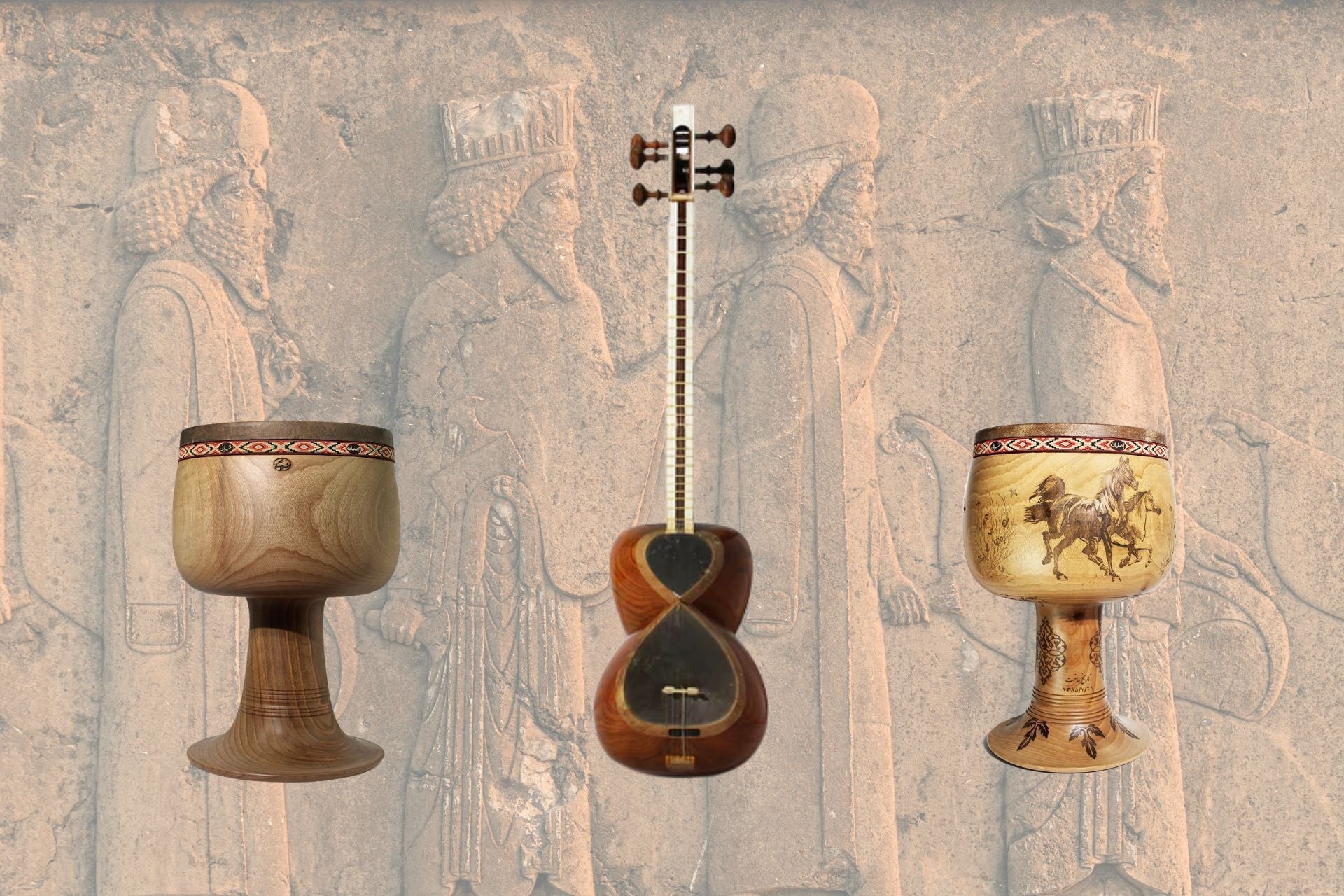
Discover the Unique Sound of Persian Strings and Drums
Persian strings and drums create a rich, emotional sound rooted in centuries of musical tradition. Instruments like the tar, setar, santur, tonbak, and daf each bring their own unique voice to Persian music, blending melody and rhythm in deeply expressive ways. From spiritual performances to modern fusion, these traditional sounds continue to captivate listeners around the world.
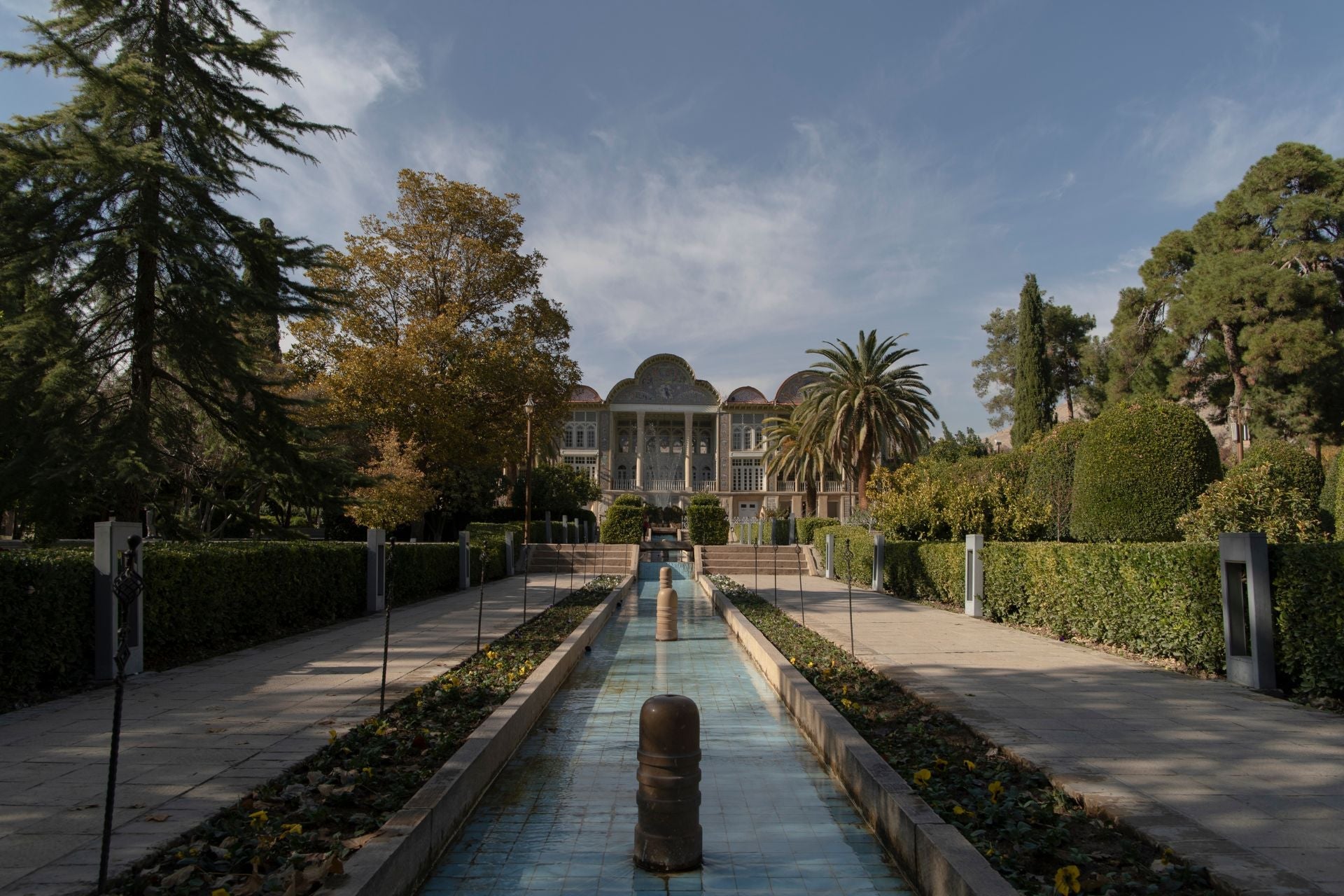
What Makes Eastern Music So Hauntingly Beautiful
Eastern music captivates listeners with its haunting beauty, characterized by intricate modal systems, emotional microtones, and deeply expressive instruments like the tar, ney, and santur. Unlike Western music, it emphasizes improvisation, spiritual connection, and unique rhythms that create a meditative, almost otherworldly listening experience. Rooted in centuries of tradition, this music tells stories that transcend language and culture, evoking powerful emotions through sound and silence alike.

Train Your Body to Play Better: Essential Exercises for Musicians
Playing an instrument requires more than just talent and technique; it demands physical conditioning. Whether you're a guitarist, violinist, or drummer, your body plays a key role in how well you perform. This article explores essential exercises that improve finger strength, coordination, posture, and stamina, helping musicians enhance their playing ability and reduce the risk of strain or injury.
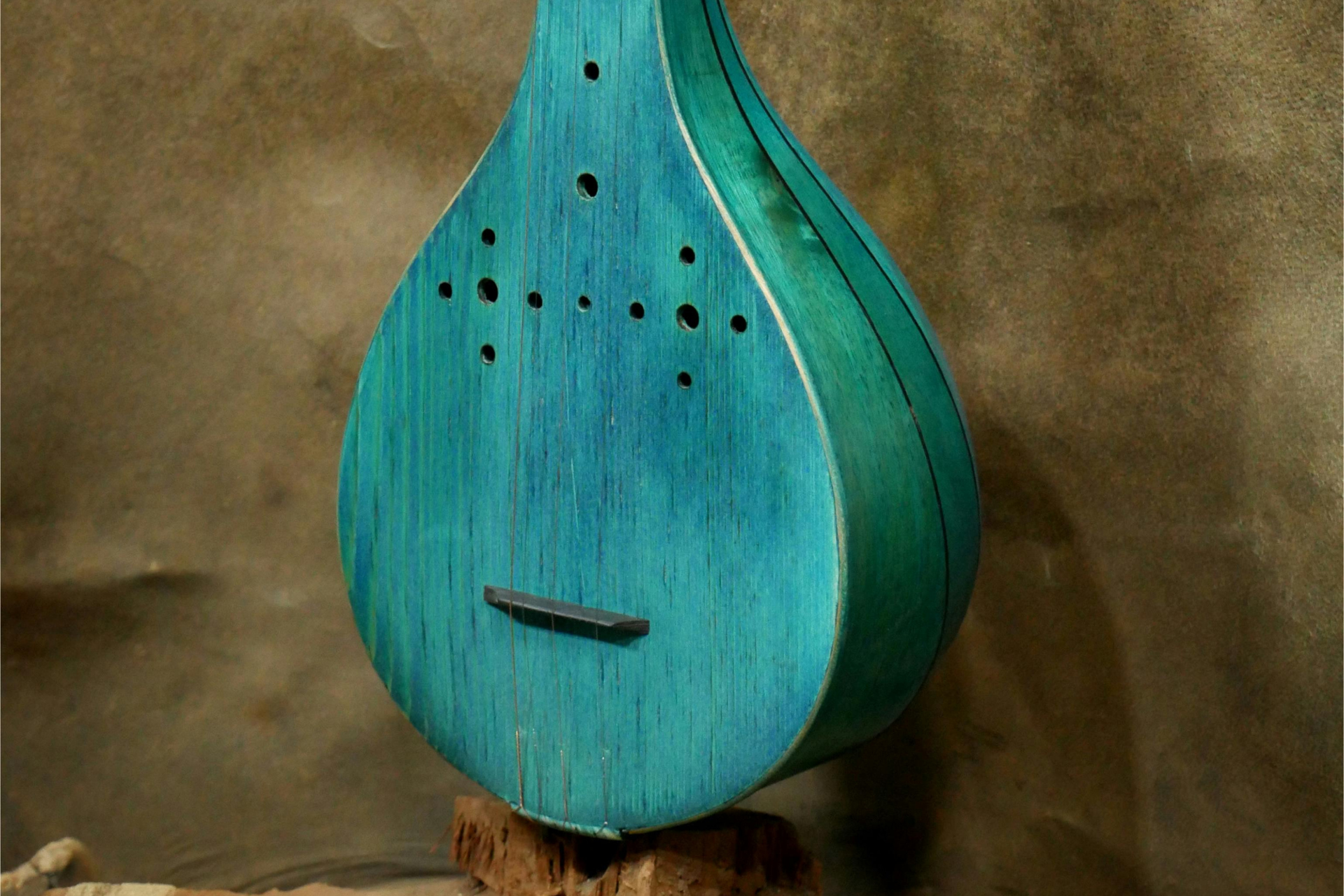
Exploring the Different Types of Persian Traditional Music
Persian traditional music, or musiqi-e sonnati-e Irani, is a deeply expressive art form shaped by centuries of history, poetry, and spiritual influence. At its core is the Dastgah system, a set of melodic modes that guide both composition and improvisation. Each Dastgah, like the joyful Mahur or the introspective Homayoun, evokes a distinct mood. Regional styles such as Kurdish and Azeri music add further diversity with unique instruments and rhythms. Rooted in tradition yet open to personal expression, Persian music remains a living, evolving cultural treasure.
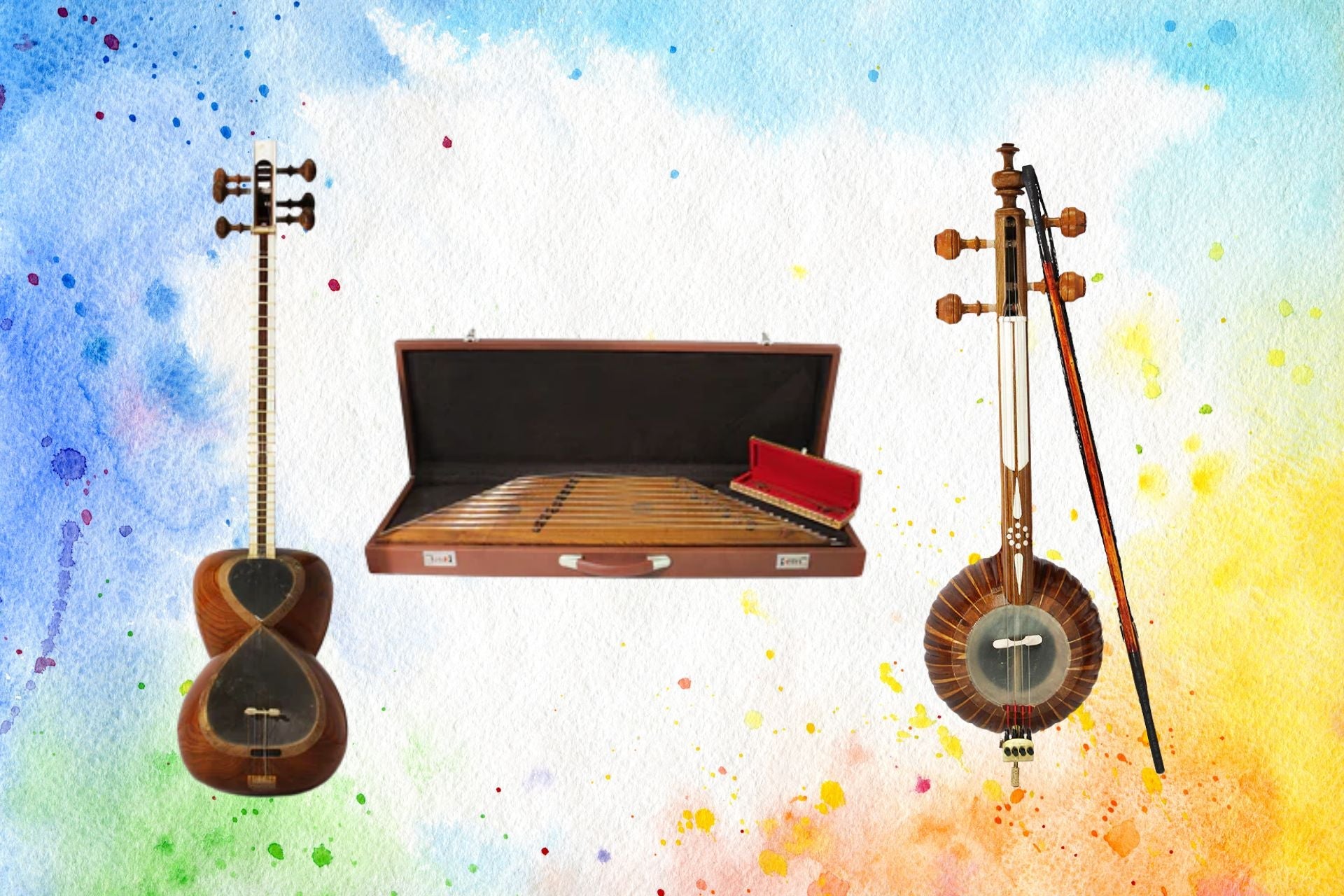
Top 3 Persian Traditional Instruments That Define Iranian Music
Persian traditional music is a rich and expressive art form, deeply rooted in Iran’s cultural history. At the heart of this musical heritage are three iconic instruments: the Tar, Santur, and Kamancheh. Each brings its own unique sound and emotional depth, shaping the soul of Persian music through intricate melodies and centuries-old traditions. In this article, we explore the history, features, and enduring significance of these top three Persian traditional instruments.

Toronto’s Contribution to Music Around the World
Toronto has quietly become one of the world’s most influential music cities, producing global stars, innovative sounds, and a rich blend of cultural genres. From the rise of artists like Drake and The Weeknd to its thriving indie scene and multicultural festivals, the city’s musical identity is as diverse as its population. This article explores how Toronto’s unique environment, infrastructure, and creative talent continue to shape the future of music on a global scale.

How Music Education Helps Children Excel Academically
Music education does more than nurture creativity, it plays a powerful role in boosting academic performance and shaping well-rounded students. Studies have shown that children who engage in music develop stronger language, literacy, and math skills, along with improved memory, concentration, and critical thinking. Learning an instrument or participating in a music program also teaches valuable life skills like discipline, time management, and collaboration. This article explores the many ways music education supports cognitive development, enhances classroom learning, and contributes to long-term academic success for students of all ages and backgrounds.
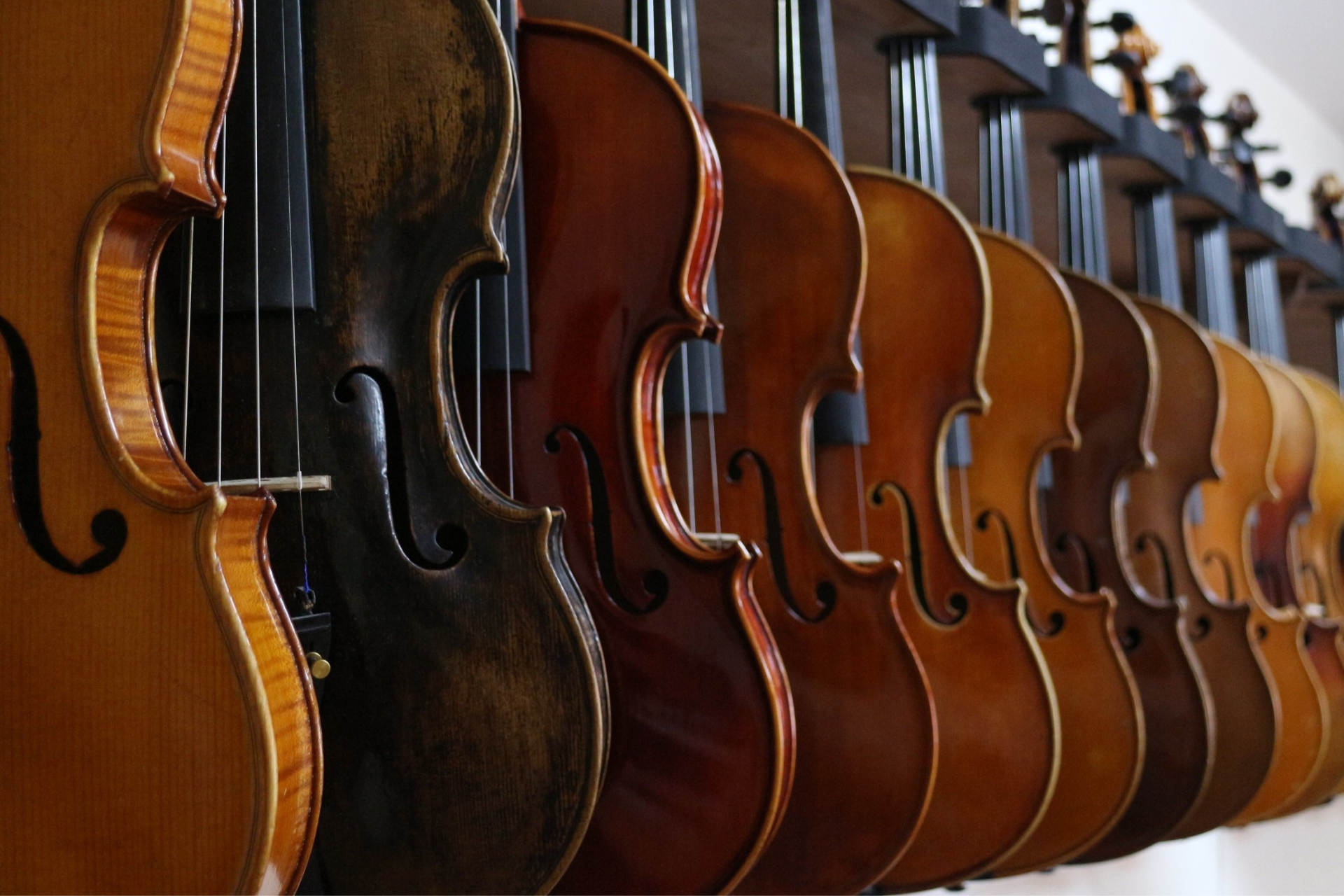
The Evolution of Violin Through History and Modern Innovation
The violin’s journey from its early ancestors to the modern instrument we know today showcases centuries of craftsmanship, cultural influence, and innovation. Exploring the evolution of violin reveals how it has adapted across genres and regions, becoming a versatile and beloved instrument worldwide. Whether in classical concert halls or contemporary music scenes, the violin continues to inspire musicians of all levels.
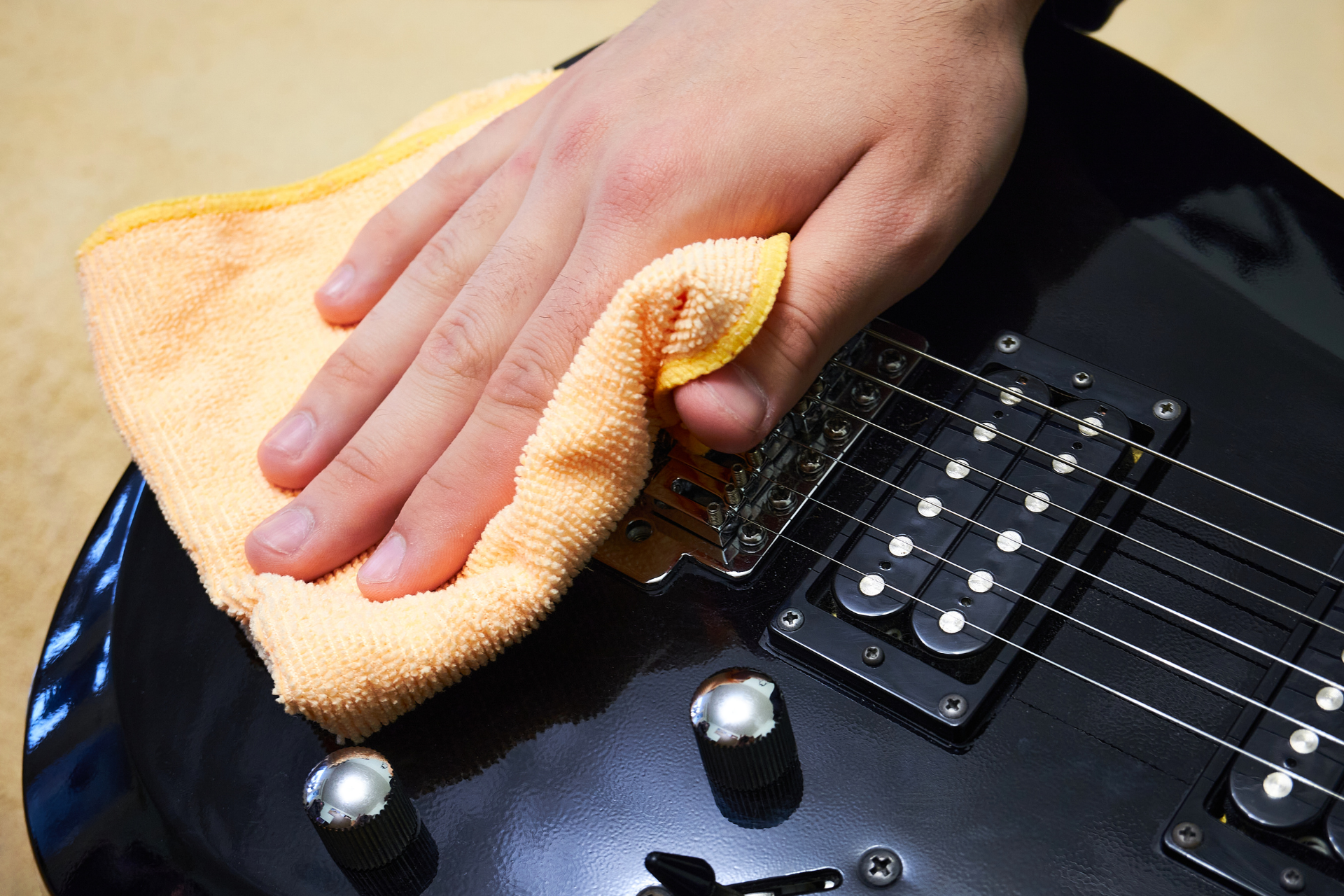
Instrument Maintenance Matters
Keeping your instrument in good condition is key to consistent sound, long-term performance, and overall enjoyment. Whether you're a beginner, a student, or an experienced musician, understanding the importance of instrument maintenance can help prevent unexpected issues, extend the life of your gear, and ensure it always performs at its best. From cleaning and storage to regular check-ups, good care habits are essential for protecting your investment and supporting your musical journey.
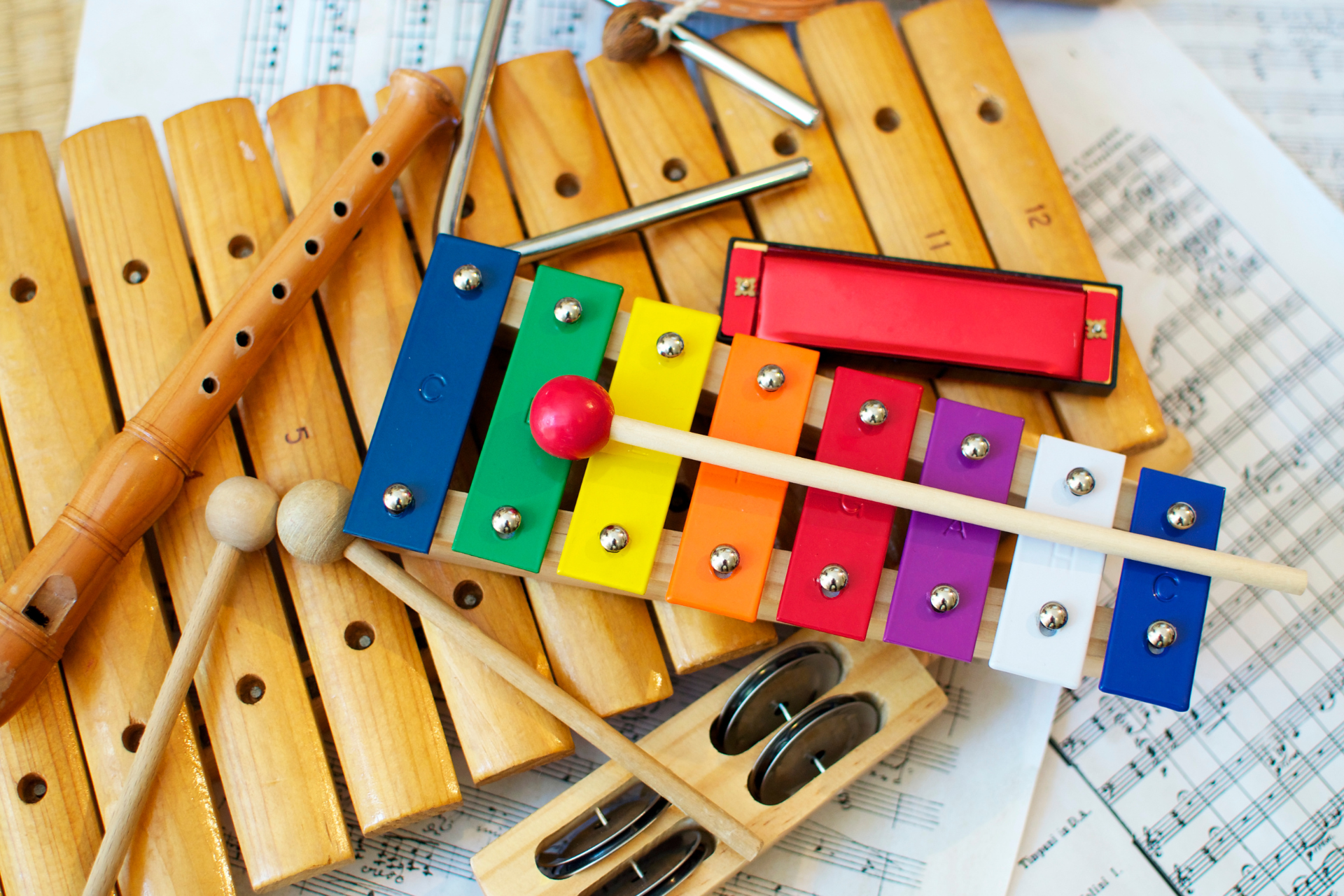
Beginner Tips for Teaching Your Child Their First Kids Instrument
Teaching your child their first musical instrument at home can be a rewarding and enriching experience for both of you. By choosing the right kids instrument, creating a positive and consistent practice routine, and incorporating fun, play-based learning, you can nurture your child’s creativity, focus, and love for music. With patience, encouragement, and the right tools, even beginners can make steady progress and build a lifelong appreciation for music from the comfort of home.

The Effects of Humidity on Musical Instruments
As spring arrives and humidity levels begin to rise across the GTA, musicians must become more mindful of how these environmental changes affect their instruments. Both wooden and metal instruments are susceptible to moisture-related issues that can impact their sound quality, structural integrity, and longevity. From warping and cracking in wooden guitars to corrosion and tuning problems in brass instruments, understanding the effects of humidity is essential for proper maintenance and performance.

The Life and Legacy of Johann Sebastian Bach with the Violin
Johann Sebastian Bach’s relationship with the violin was both personal and revolutionary. As a skilled violinist and master composer, he elevated the instrument’s role in classical music through works that remain foundational to the repertoire. His Sonatas and Partitas for Solo Violin and celebrated concertos showcase not only his deep understanding of the instrument’s capabilities but also his ability to weave complex emotional narratives through melody and harmony. Bach’s violin music continues to inspire musicians around the world, offering timeless insight into the art of composition and performance.
What Is Radif in Persian Music? A Deep Dive into a Classical Tradition
Radif is the foundational repertoire of Persian classical music, consisting of hundreds of melodic fragments called gushehs organized within modal systems known as dastgahs. Passed down orally through generations, the radif preserves Iran’s rich musical heritage and serves as a vital tool for teaching, improvisation, and composition. It is deeply intertwined with Persian poetry and spirituality, offering both technical guidance and emotional depth for musicians.