
Recently Added Articles
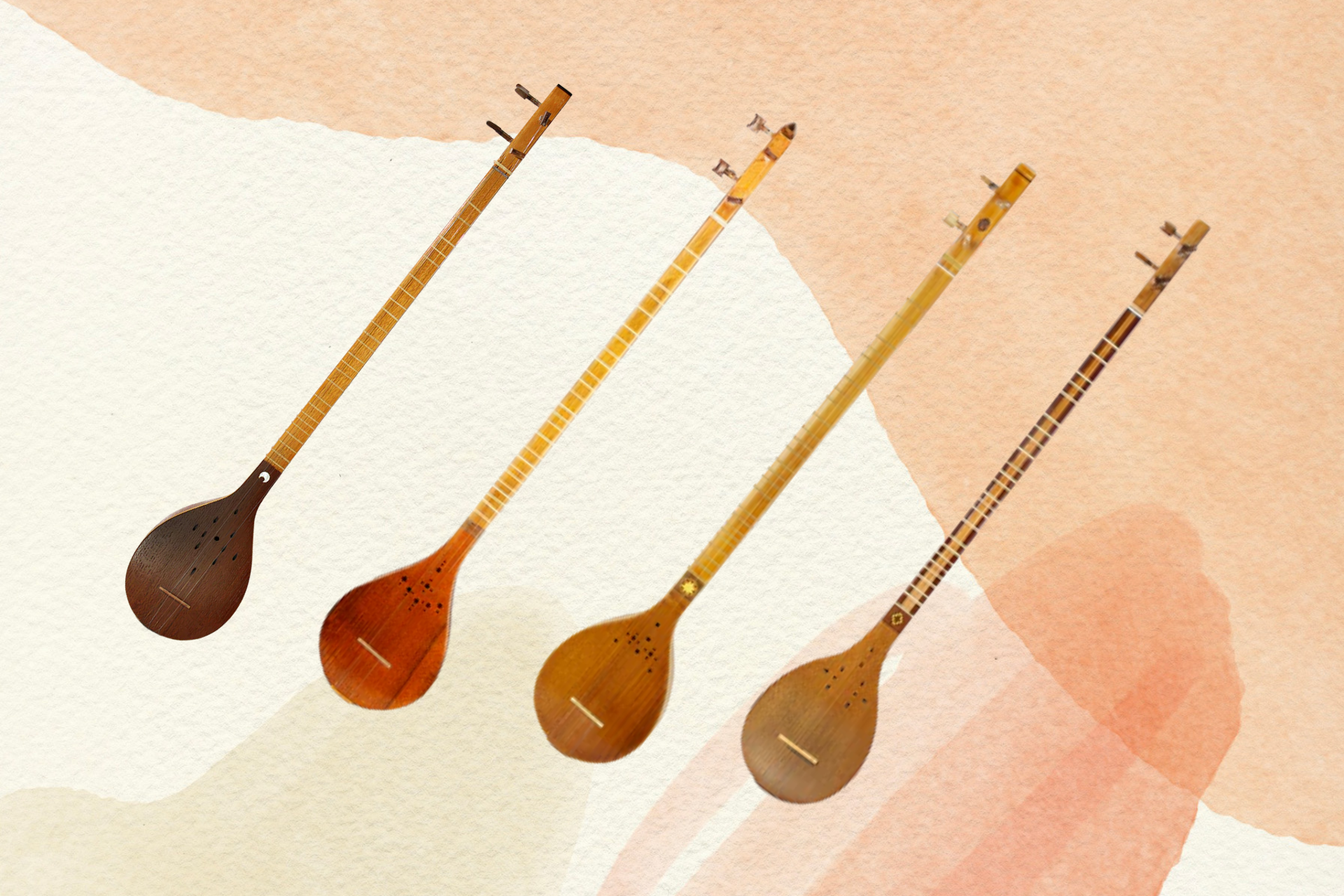
The Setar’s Rise in Lo-Fi Music
Lo-fi music has become a global soundtrack for relaxation, study, and introspection. As the genre evolves, artists are reaching beyond traditional jazz samples and vinyl textures to find new sounds—and one unexpected star is emerging from Iran: the setar. With its soft, emotional tone and centuries-old heritage, the setar is finding a fresh identity in modern lo-fi production. Blending cultural depth with contemporary chill vibes, this traditional Persian instrument is quietly reshaping the lo-fi landscape.
The Roots of Modern Music Lie in the Classics
Classical music has left an enduring legacy that continues to shape the sound and structure of today’s music. From the development of music theory and instrumentation to the emotional depth and live performance traditions, the classical era laid the foundation for virtually every modern genre. Whether it’s a pop anthem with orchestral layers, a hip-hop track sampling a symphony, or a film score echoing Romantic motifs, classical music’s influence is unmistakable. Its timeless principles and expressive power continue to inspire musicians and captivate listeners across the world.
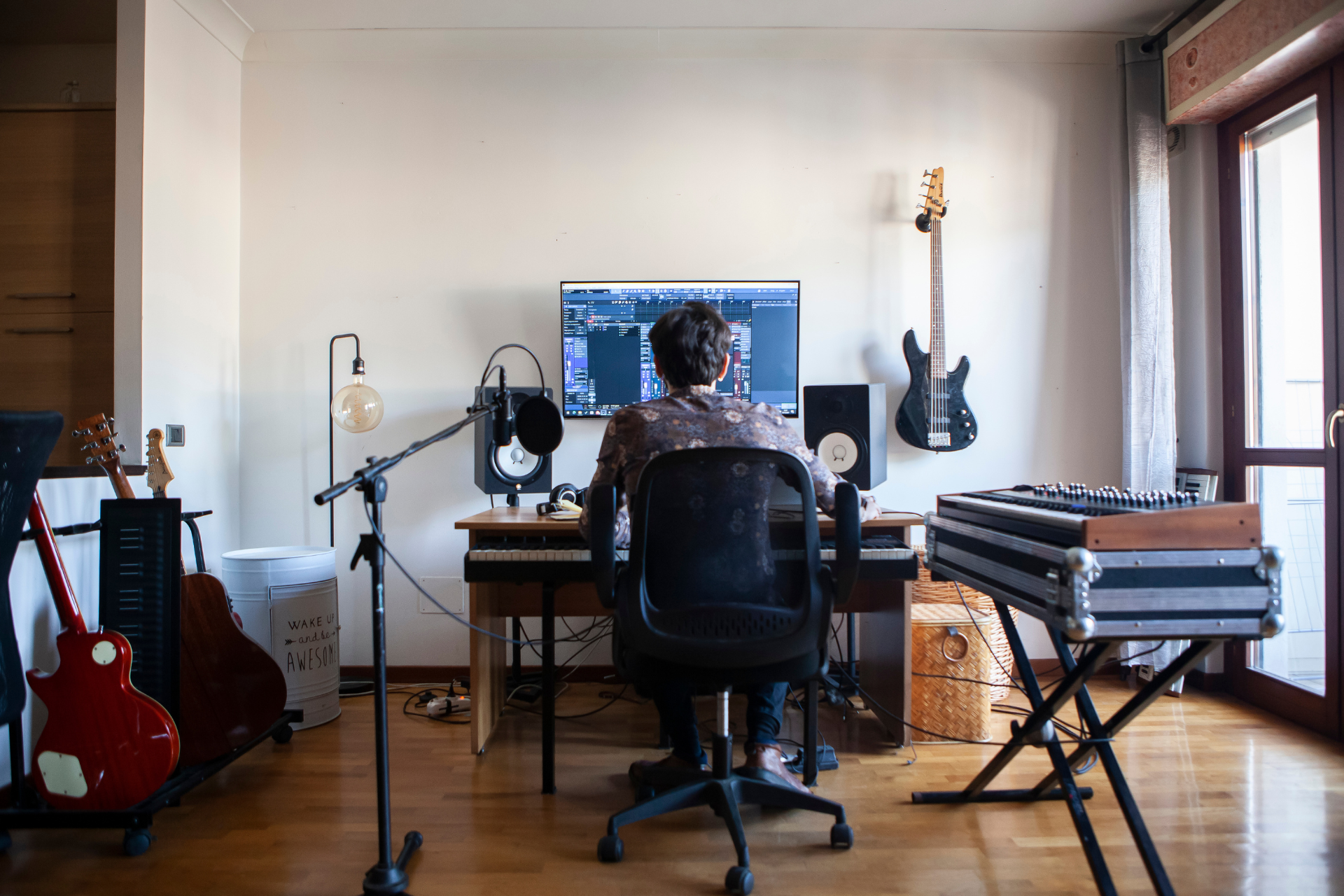
The Beginner’s Guide to Starting a Home Music Studio
Thinking of building your own music studio at home? This beginner’s guide walks you through the essential steps to get started—from selecting the right space and choosing budget-friendly gear to setting up your recording environment and improving acoustics. Whether you're a musician, producer, or just passionate about sound, learn how to create professional-quality recordings right from your home. Plus, discover how your local music shop can be a valuable resource for equipment, advice, and inspiration along the way.
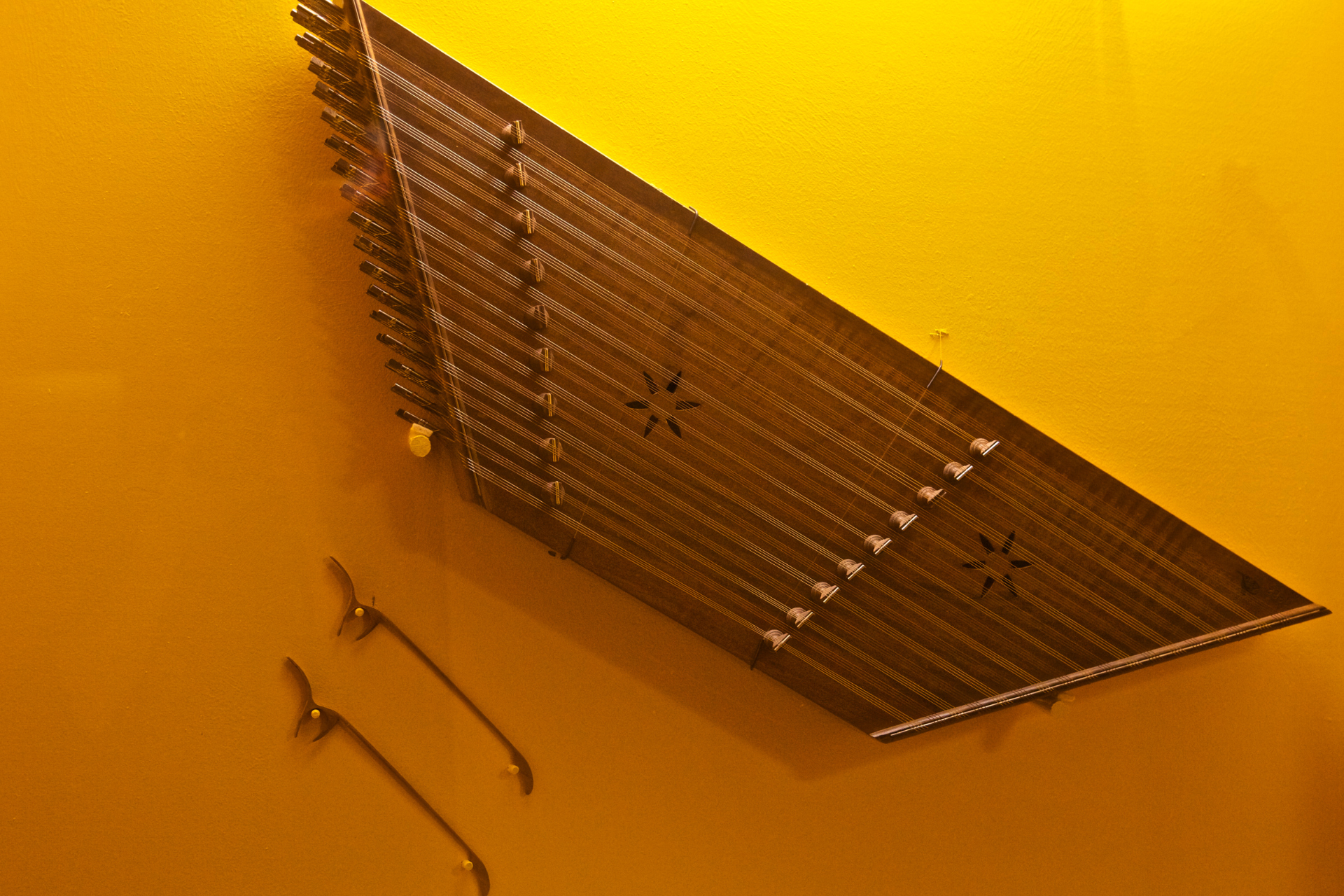
The Origins and Evolution of the Santur
The santur is an ancient Persian instrument known for its delicate, shimmering sound and trapezoidal shape. Originating in Mesopotamia over 3,000 years ago, it has evolved across cultures while maintaining a central role in Persian classical music. Played with light wooden mallets, the santur offers rich tonal expression and continues to captivate musicians and audiences around the world.
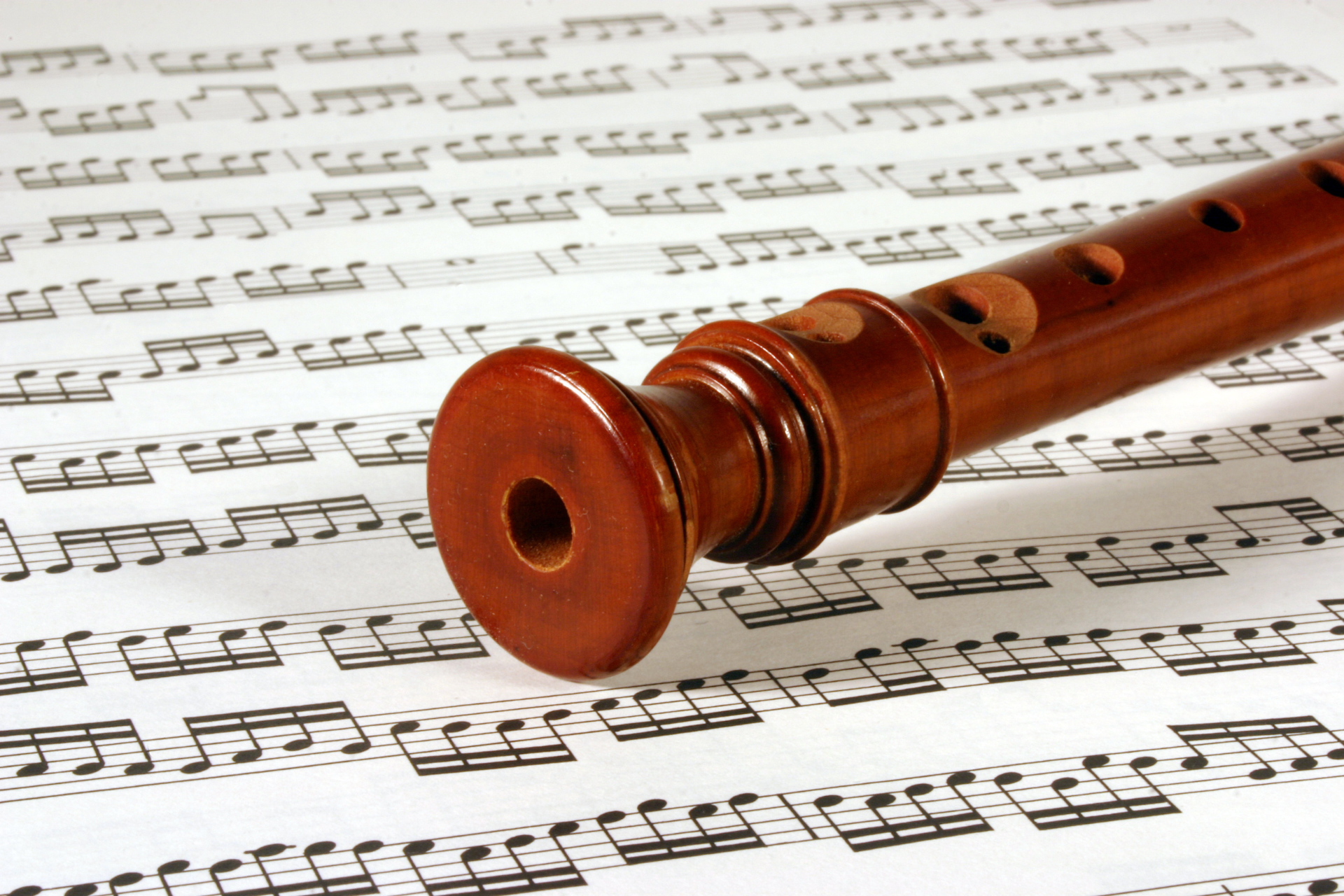
Why the Recorder is the Best Instrument for Kids
The recorder is an excellent first instrument for kids, offering an easy and affordable way to start learning music. It helps develop essential skills like breath control, coordination, and rhythm while being fun and engaging. With its portability, simple maintenance, and widely available learning resources, the recorder is a great choice for young beginners.
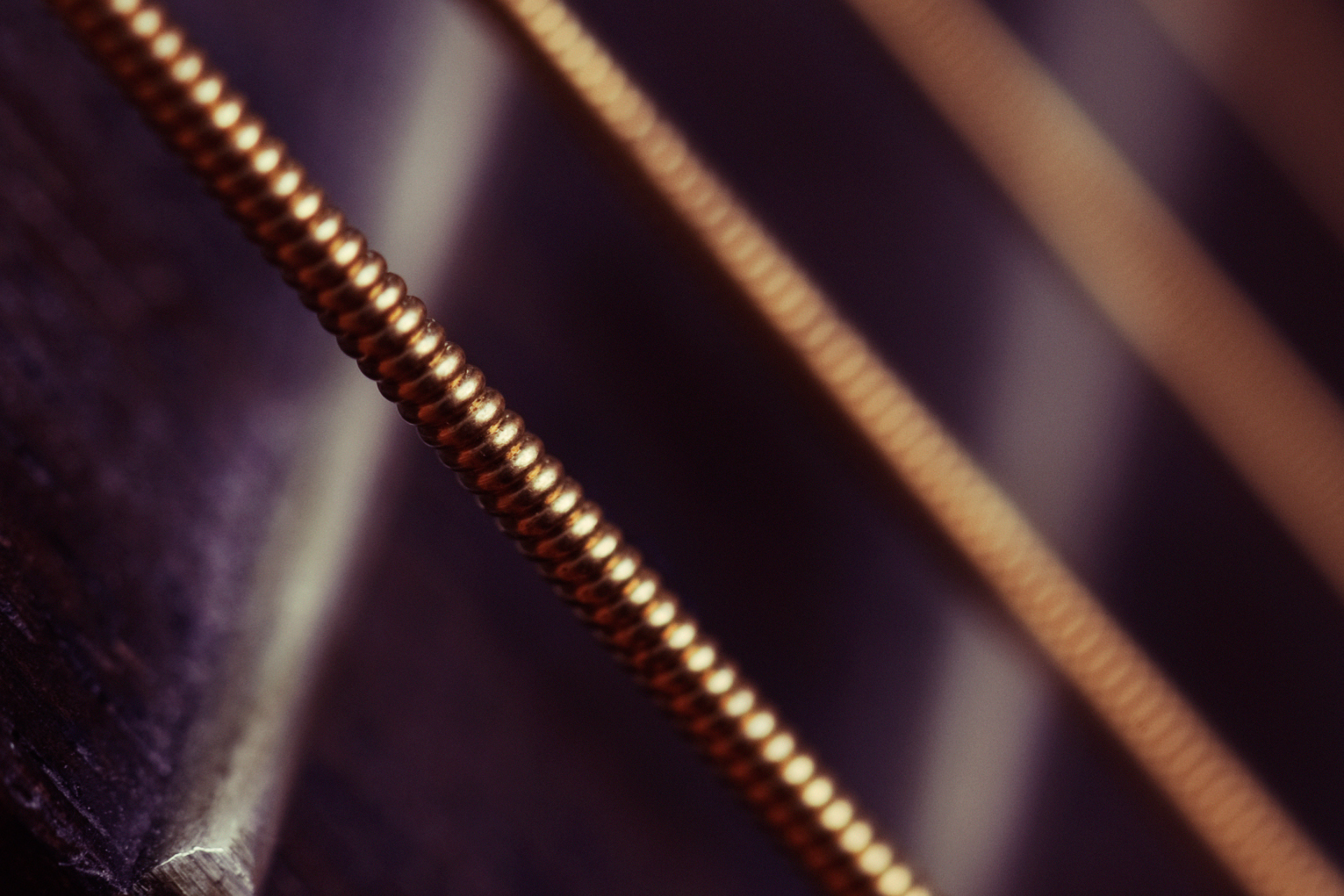
How Guitar Strings Are Made: The Process Behind the Sound
Guitar strings are carefully crafted through a precise process, from selecting high-quality materials to winding and coating. Each step plays a crucial role in shaping their tone, durability, and playability, ensuring the best sound for every guitarist.

The Evolution of Music Shops from Vinyl to Digital
Music shops have transformed over the decades, adapting to changing formats and technology. From selling vinyl records and turntables to embracing digital gear and online retail, these shops continue to evolve while remaining hubs for musicians and collectors.
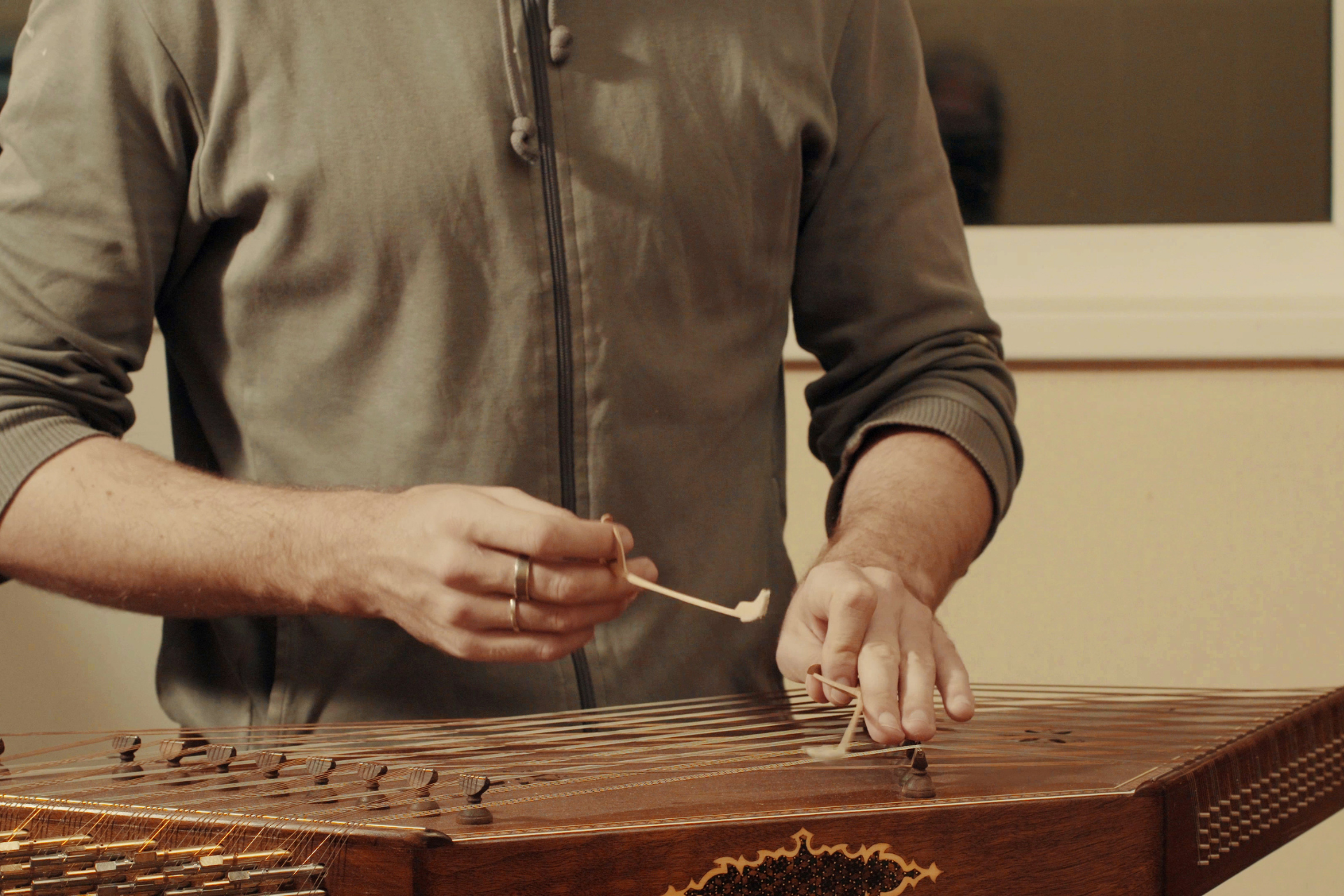
The Santur’s Role in Meditation and Sound Healing
The Santur, a traditional Persian string instrument, plays a significant role in meditation and sound healing practices. Its soothing tones create a peaceful atmosphere that fosters relaxation, reduces stress, and enhances mindfulness. The instrument’s gentle vibrations resonate with the body’s energy centers, promoting emotional balance and physical well-being. Whether used for individual meditation or group sound healing, the Santur’s harmonious sounds help individuals achieve a deeper sense of inner peace, clarity, and emotional release, making it a valuable tool in holistic wellness practices.
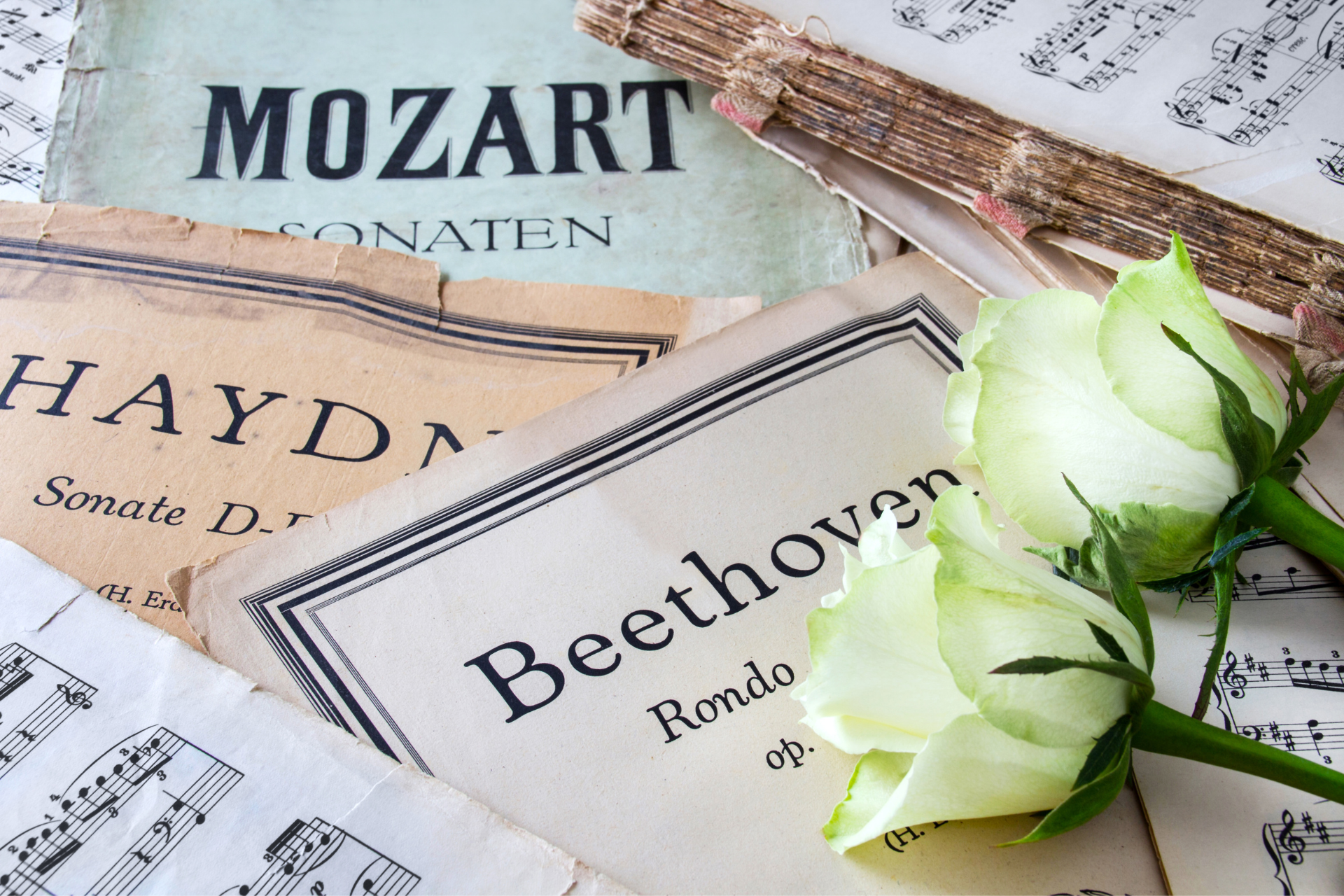
The Evolution of Classical Music: Understanding Its Different Eras
Classical music has evolved from the simple monophonic chants of the Medieval era to the complex and expressive works of the Modern period. Each era, from the harmonic richness of the Renaissance to the emotional depth of the Romantic period, introduced new styles and innovations. Composers like Bach, Mozart, and Debussy transformed music, shaping the diverse soundscape of Western classical music we enjoy today.
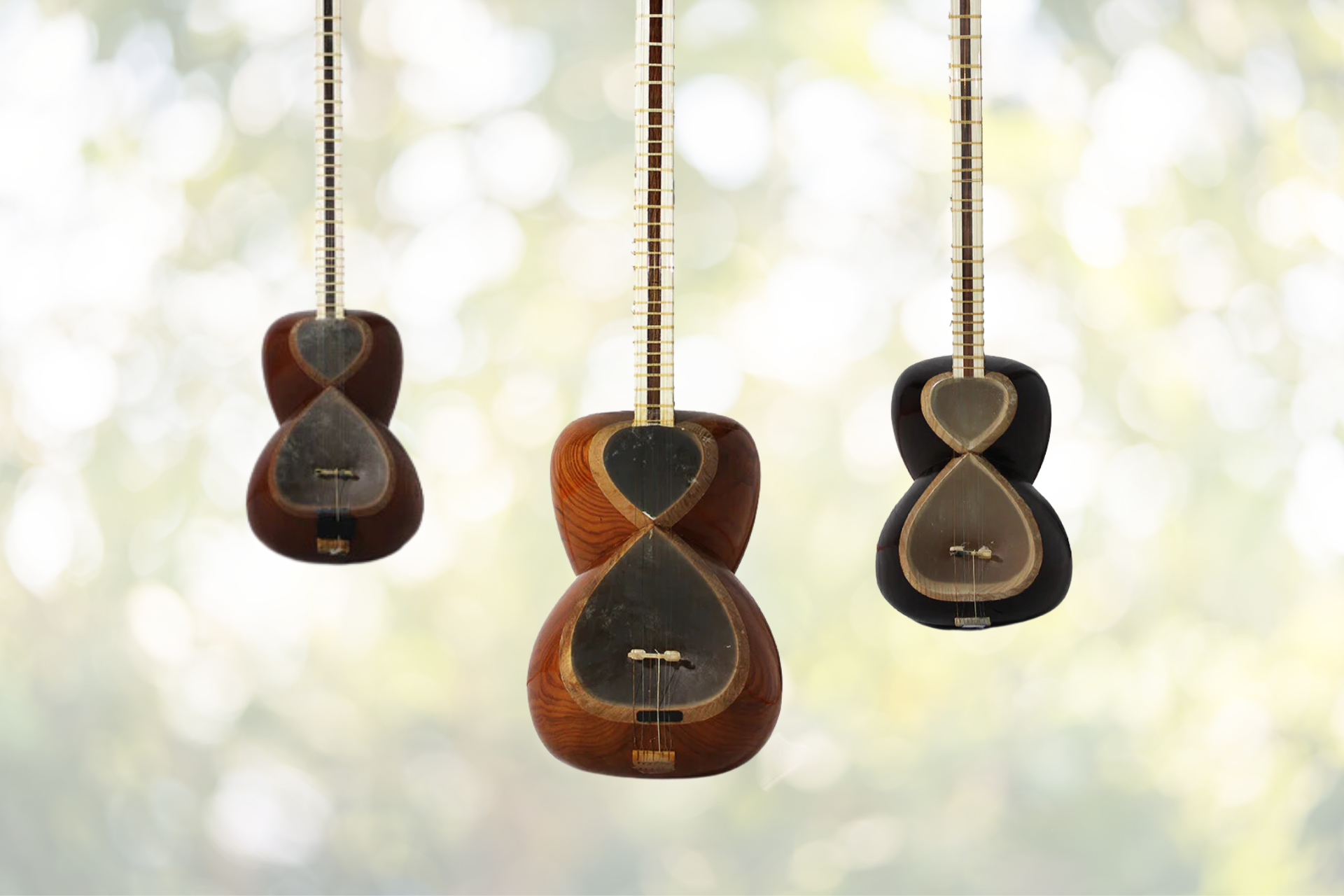
The Tar’s Influence on String Instruments Around the World
The tar is a fundamental string instrument that has influenced the development of various musical traditions worldwide. Originating in Persia, it played a key role in shaping instruments like the Indian sitar, the European guitar, and several Middle Eastern and Central Asian lutes. Its distinct structure, rich tonal quality, and intricate playing techniques have inspired musicians for centuries, bridging cultures and shaping the evolution of stringed instruments across different regions.
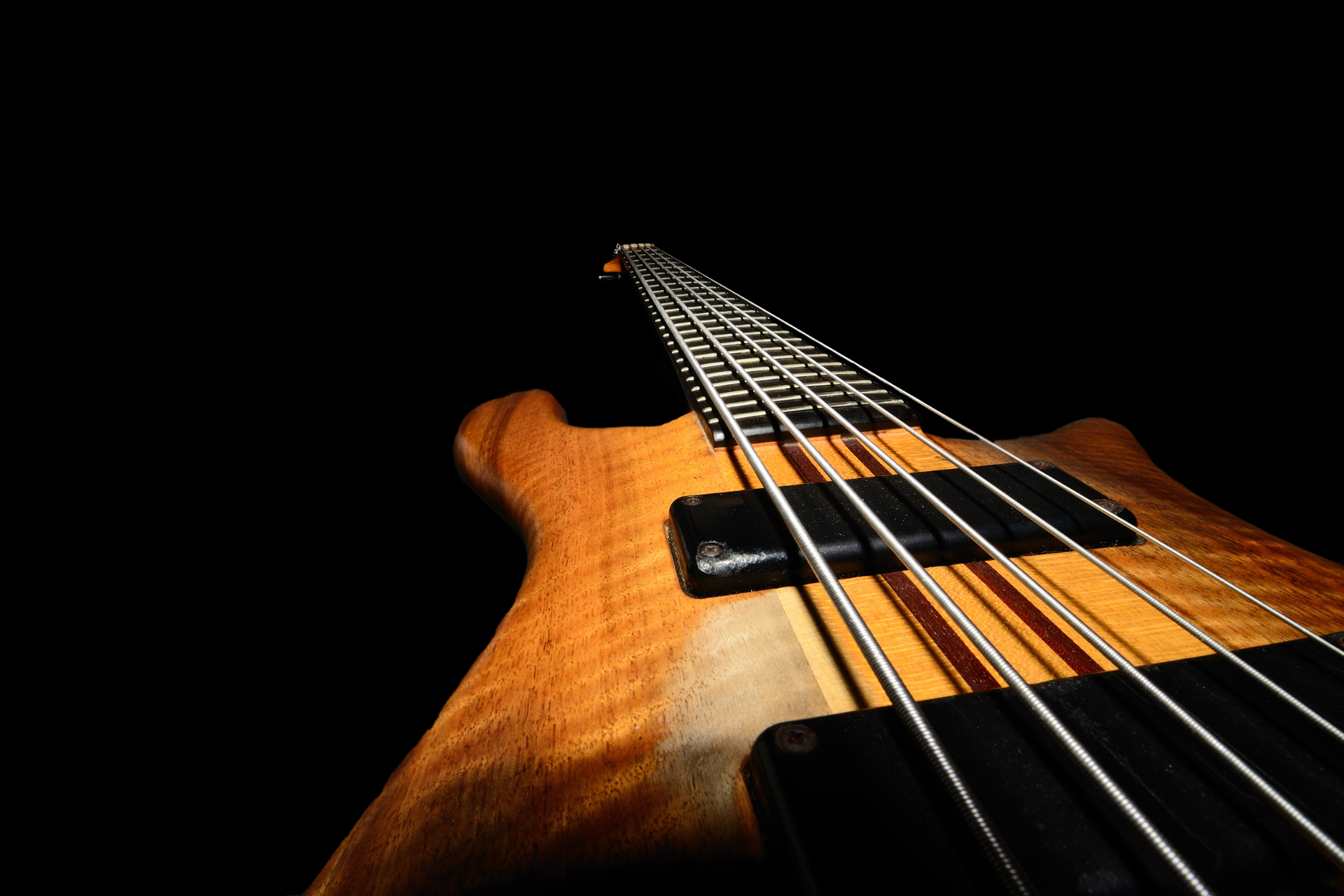
Steel vs. Nylon Strings: Which One Is Right for You?
Steel strings deliver a bright, powerful tone for rock and blues, while nylon strings offer a warm, mellow sound suited for classical and folk. Steel requires more finger strength, whereas nylon is softer and easier to play. The right choice depends on your style and comfort.
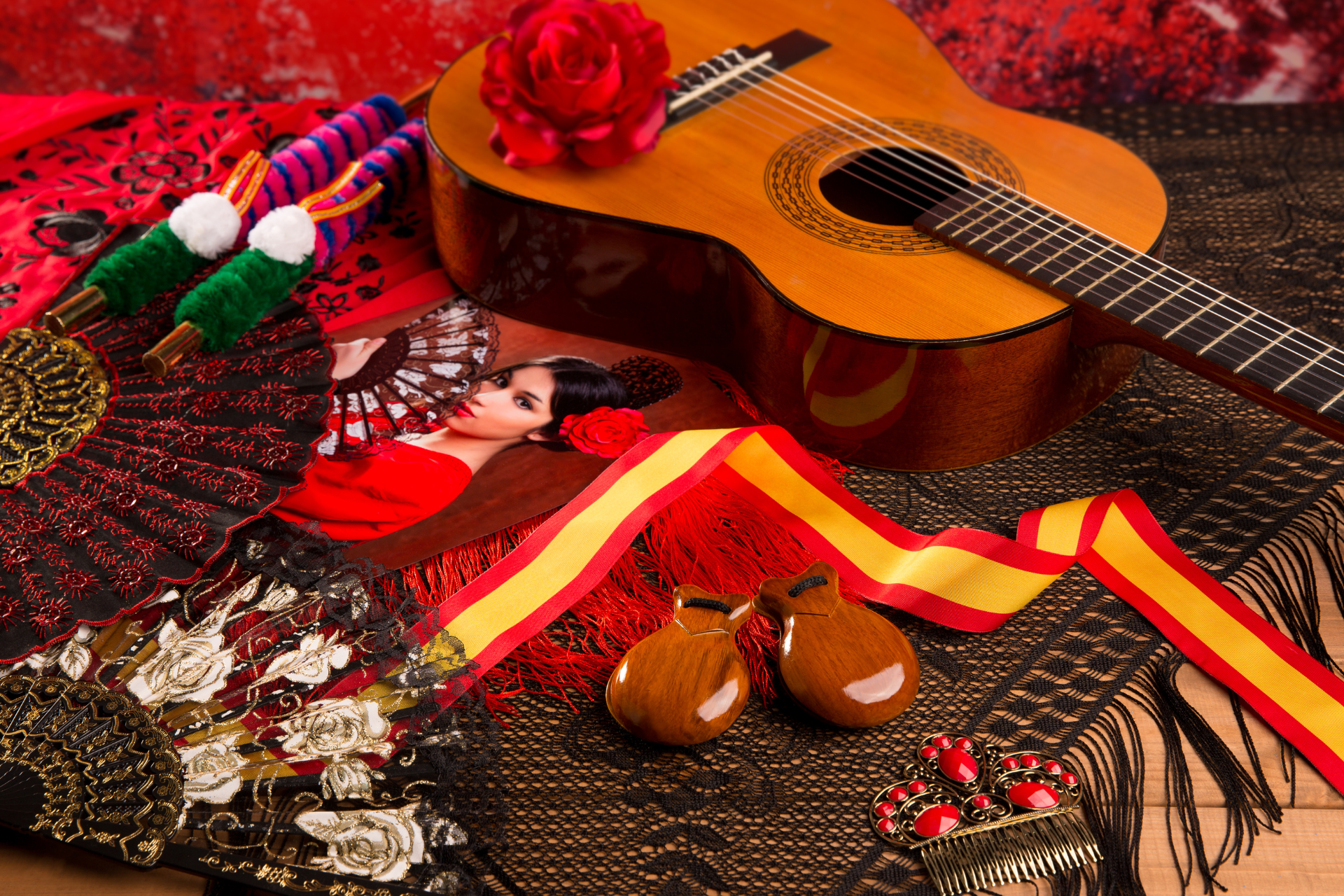
The Passionate Connection Between Guitar and Flamenco
The guitar is the heartbeat of flamenco, shaping its passionate rhythms and emotional intensity. Rooted in Andalusian tradition, flamenco guitar evolved with unique techniques like rasgueado and picado, creating its signature sound. Over time, it has influenced global music, blending with jazz, rock, and classical styles while preserving its rich cultural heritage.
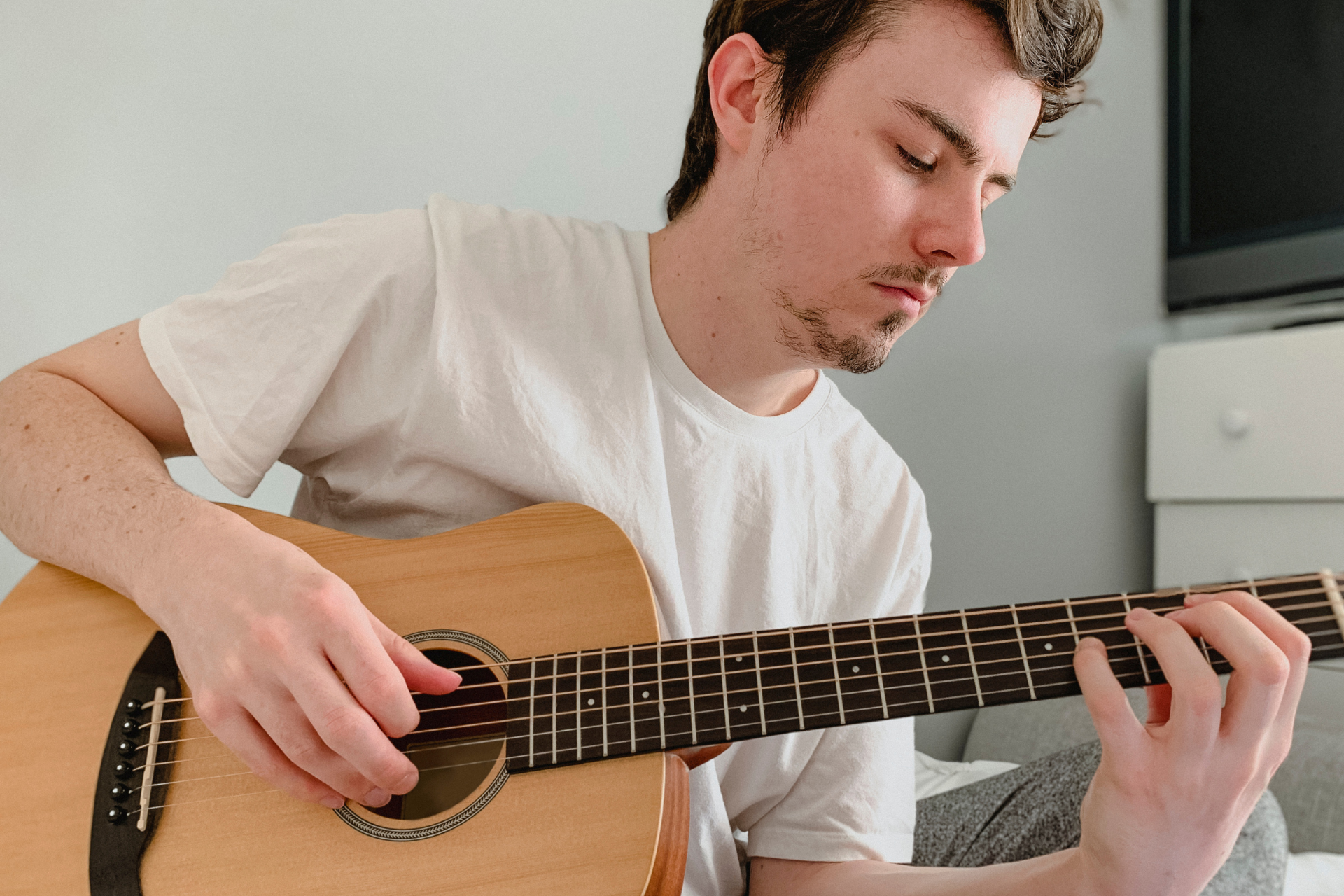
How Much Practice Does It Take to Learn an Instrument?
Learning a musical instrument requires consistency, patience, and structured practice. Beginners should aim for 20–30 minutes daily, while advanced players may need several hours. Quality practice matters more than quantity, and progress depends on clear goals, proper guidance, and staying motivated.
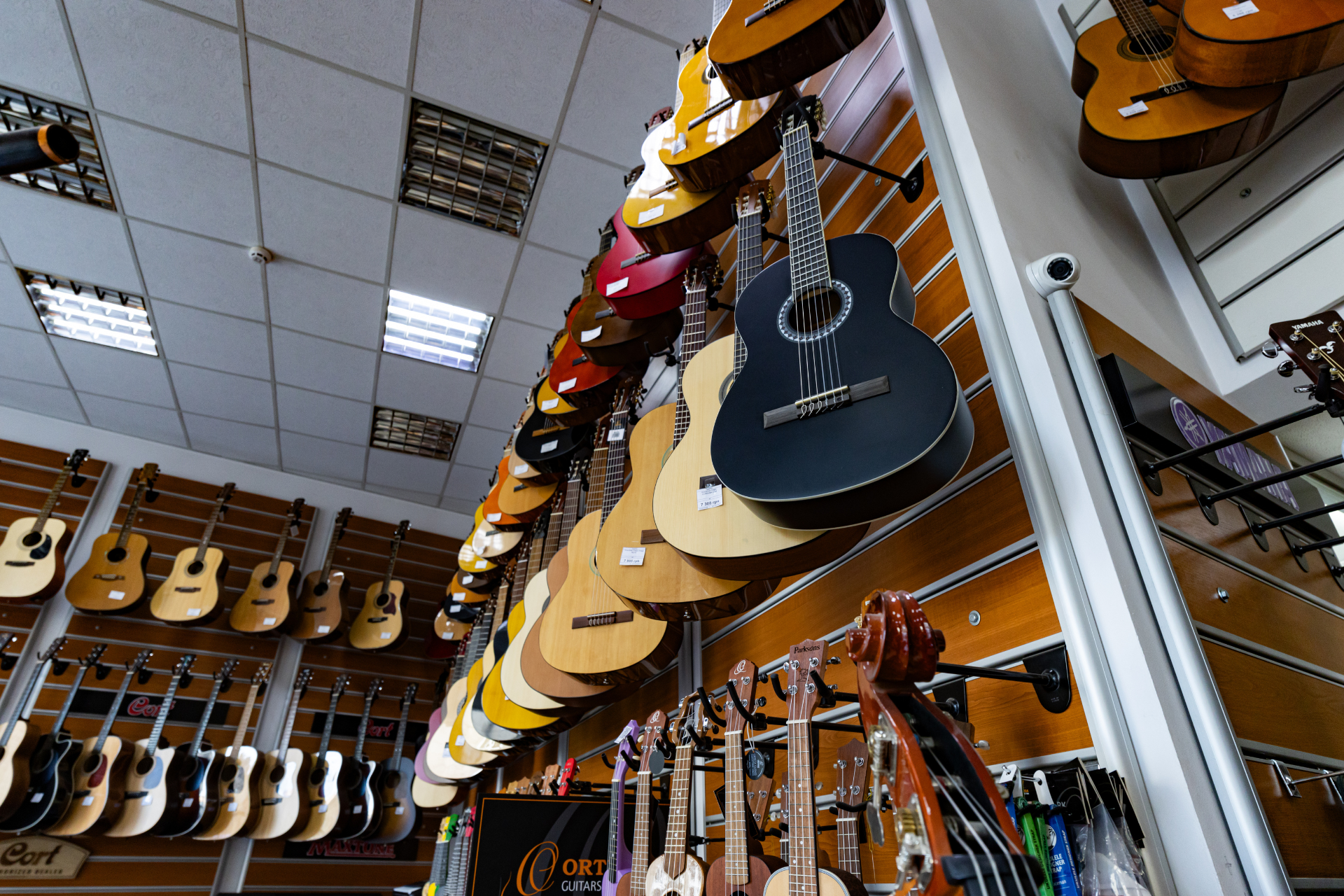
Music Shops vs. Big-Box Retailers: Where Should You Buy Your Gear?
Local music shops offer expert advice, high-quality instruments, and a strong sense of community that big-box retailers simply can't match. Whether you're looking for a unique traditional instrument or personalized service, a dedicated music shop ensures a better buying experience.
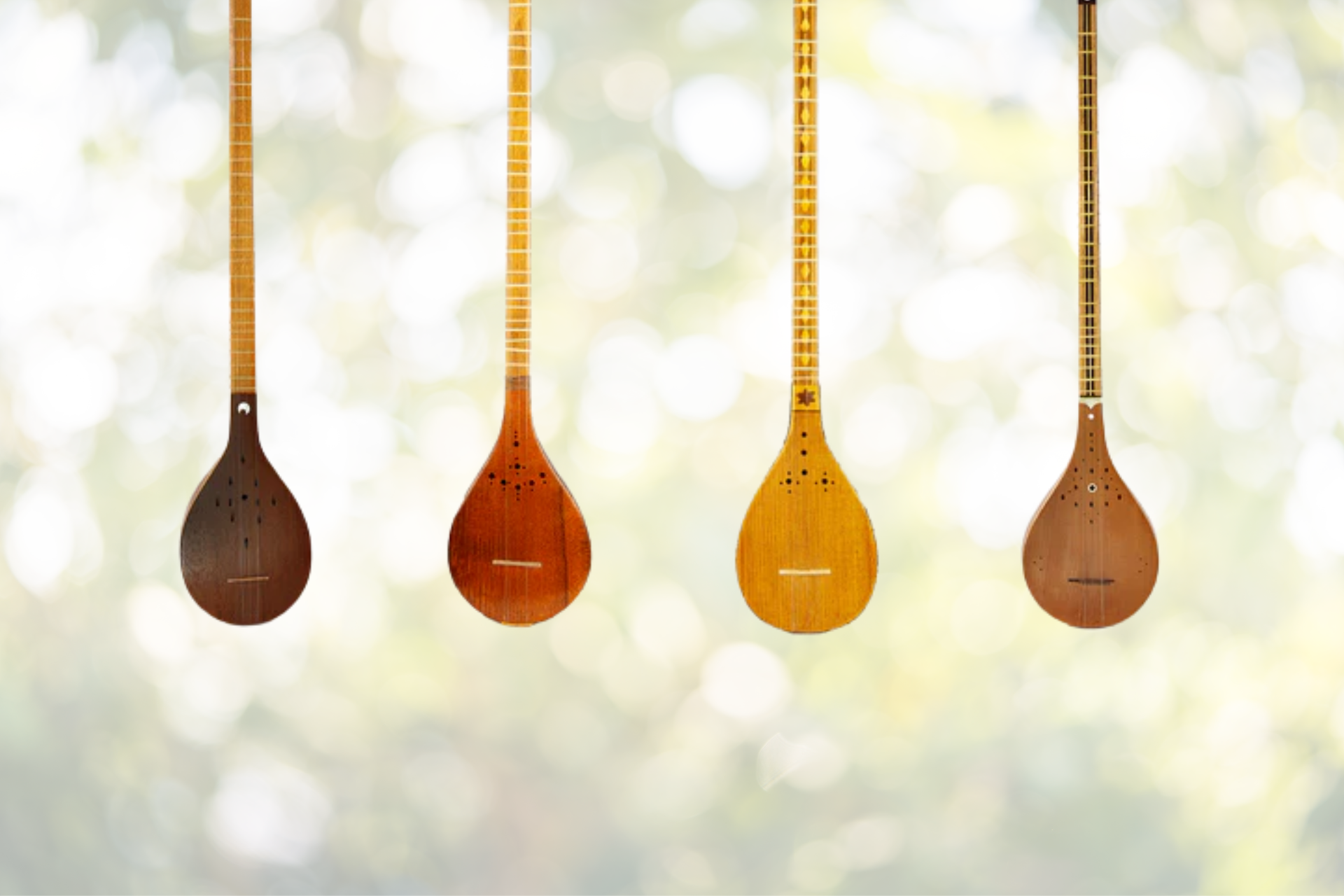
The Art of Improvisation: How the Setar Shapes Persian Radif Music
The setar, a delicate and expressive stringed instrument, plays a pivotal role in shaping Persian radif music through the art of improvisation. Its soft, intimate sound, combined with techniques like tahrir, rez, and dynamic control, allows musicians to explore deep emotional expressions within the structured framework of the radif. Rooted in tradition yet adaptable to contemporary styles, the setar bridges the gap between cultural heritage and modern musical innovation.