
Recently Added Articles

How Listening Habits Influence Your Playing
The way musicians listen has a direct effect on how they play, interpret, and develop. Strong listening habits improve timing, tone, phrasing, stylistic understanding, creativity, and emotional expression, making listening one of the most important parts of musical growth.

The Role of Silence in Musical Expression
Silence is not empty space in music. It is an active, expressive tool that shapes rhythm, tension, phrasing, emotion, and meaning. Musicians who understand how to use silence effectively often perform with greater depth, control, and artistic maturity.

How Cultural Music Shapes Instrument Design
Musical instruments are shaped by the cultures that create and use them. Materials, sound preferences, playing styles, performance settings, and artistic traditions all influence how instruments are built, refined, and preserved across generations.
Why Some Instruments Are Easier for Beginners
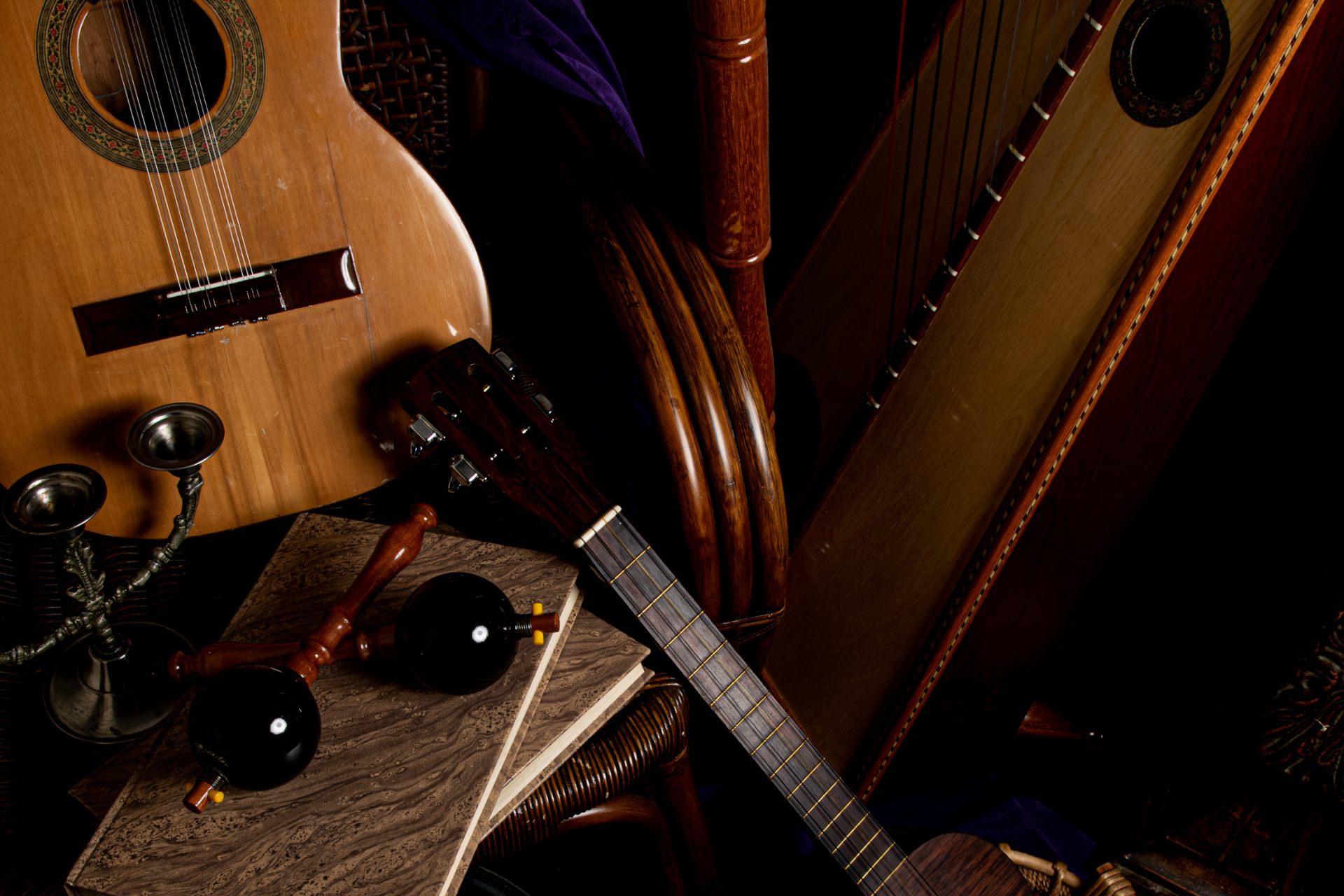
Some instruments feel easier for beginners because they produce sound more quickly, demand less early physical complexity, and offer a gentler learning curve. Understanding these differences can help new musicians choose an instrument that encourages confidence, consistency, and long-term enjoyment.
How Practice Environment Affects Musical Progress
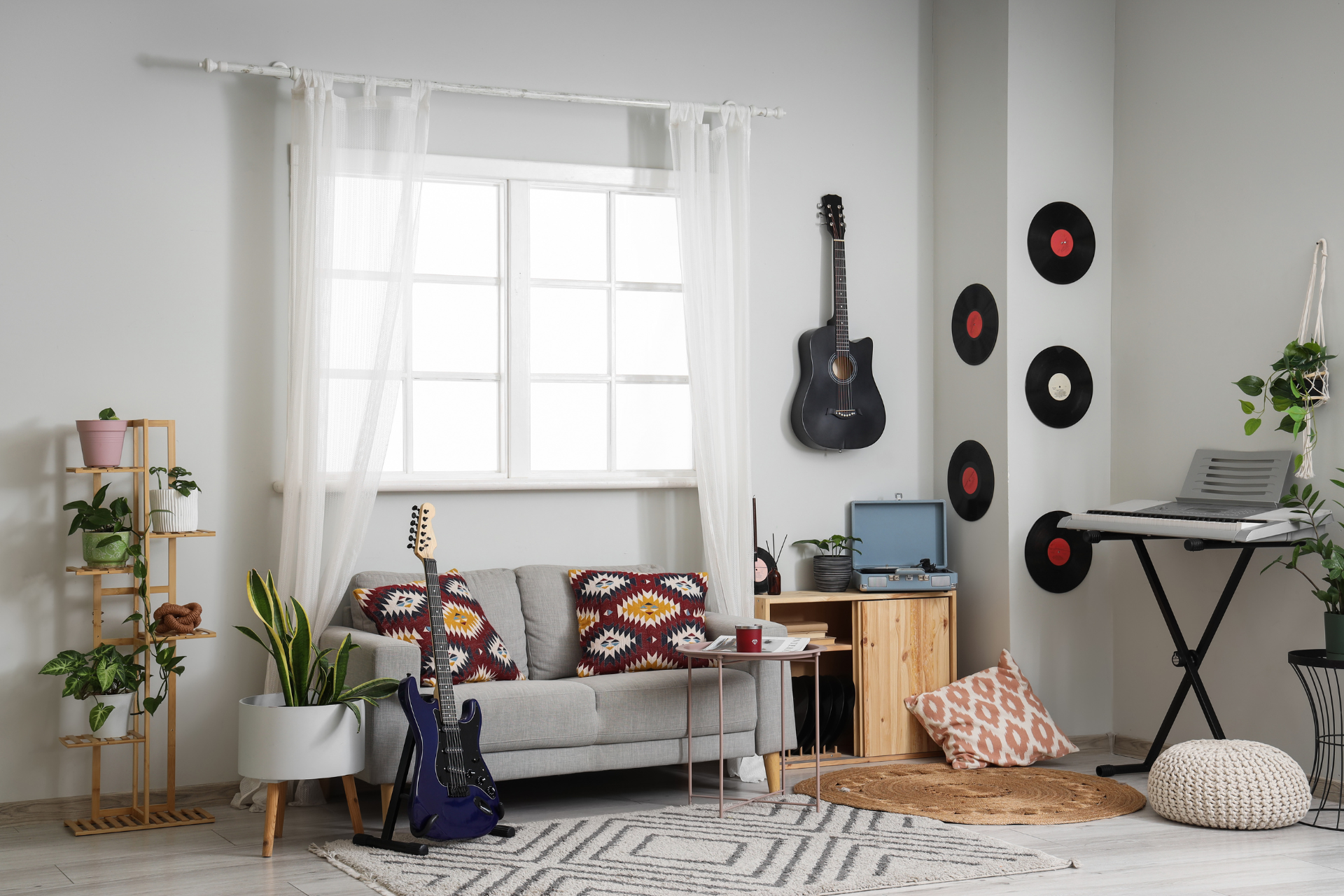
Your practice environment plays a critical role in how quickly and effectively you improve as a musician. From noise levels to comfort and consistency, the space you practice in directly influences focus, motivation, and long-term progress.

Why Learning a Traditional Instrument Builds Musical Discipline
Learning a traditional instrument builds musical discipline through structured study, repetition, focused listening, and respectful mentorship. Students develop patience, precision, and long-term commitment while strengthening mental focus and emotional control. This disciplined approach shapes both musicianship and personal growth.

Preserving Traditional Music in a Digital World
Preserving traditional music in a digital world requires balancing modern technology with cultural authenticity. While digital archives, online education, and global sharing expand access, true preservation depends on mentorship, community engagement, and respect for foundational structures. When used thoughtfully, technology can strengthen rather than diminish cultural continuity.

How Instrument Craftsmanship Affects Sound Quality
Instrument craftsmanship plays a critical role in shaping sound quality. From material selection and structural design to precision finishing, every detail influences tone, resonance, and durability. Well-crafted instruments offer greater clarity, sustain, and expressive depth, allowing musicians to perform with confidence and consistency.

The Cultural Significance of Persian Instruments in Modern Music
Persian instruments such as the tar, setar, and santur carry centuries of history and artistic tradition. In modern music, they continue to shape global sound through fusion projects, film scores, and cross-cultural collaborations. Rooted in the classical radif system, these instruments preserve cultural identity while adapting to contemporary styles, allowing tradition and innovation to exist side by side in today’s evolving musical landscape.

How to Choose Between Tar, Setar, and Santur as a Beginner
Choosing between the tar, setar, and santur as a beginner comes down to understanding their unique sounds, playing styles, and learning curves. The tar offers a bold and resonant tone suited for expressive classical performance, the setar provides a softer and more intimate sound ideal for solo pieces, and the santur delivers a bright, shimmering texture that emphasizes rhythm and coordination. By considering tone preference, physical comfort, and long term musical goals, beginners can select the instrument that best matches their personality and commitment level.

Proper Technique for Playing the Xylophone
Proper xylophone technique is built on a foundation of correct posture, relaxed and controlled mallet grip, accurate bar placement, and efficient rebound motion. By learning how to use the wrists for fluid strokes, maintain balanced hand coordination, and control dynamics through stroke height and speed, players can achieve a clear, consistent tone and improved rhythmic precision. Developing these fundamentals also supports faster playing, better endurance, and greater musical expression, making the xylophone more enjoyable and rewarding to play for beginners and advanced musicians alike.

Why Woodwinds Are Essential in Orchestral Music
Woodwind instruments are a vital part of the orchestra, adding tonal colour, emotional depth, and expressive clarity that shape the overall character of a musical performance. From lyrical solos to rich harmonic support, woodwinds contribute to melody, texture, and storytelling in ways no other section can fully replace. Their versatility allows composers to create contrast, blend seamlessly with other instrument families, and convey subtle shifts in mood, making them essential to both classical and modern orchestral music.

Why Learning Guitar Builds a Strong Musical Foundation for Any Instrument
Learning guitar helps build a complete musical foundation by developing core skills such as rhythm, harmony, ear training, coordination, and basic music theory. By understanding chords, scales, timing, and song structure on the fretboard, students gain a clear view of how music works as a whole. These skills transfer naturally to other instruments, making it easier to learn piano, strings, wind, or percussion while improving overall musical confidence, versatility, and long term growth.

The Difference Between Student and Professional Grade String Instruments Explained
Understanding the difference between student and professional-grade string instruments helps musicians make informed decisions as they progress. From the quality of tonewoods and craftsmanship to sound projection, playability, and long term value, each level is designed for a specific stage of development. Knowing what separates these instruments allows players to choose one that matches their skills, goals, and budget while supporting steady growth and a more rewarding musical experience.

How to Choose Your First Traditional Instrument and What to Expect as a Beginner
Choosing your first traditional instrument is the beginning of a meaningful journey into culture, sound, and personal expression. From understanding physical comfort and learning difficulty to exploring musical styles and long-term goals, the right choice can make your early experience more enjoyable and motivating. This guide helps beginners know what to expect, how to prepare, and how to build a strong foundation as they take their first steps into the world of traditional music.