
Recently Added Articles

The Most Overlooked Skills New Musicians Need
New musicians often focus on notes and technique while overlooking essential skills that support real progress. From active listening and rhythm awareness to patience, focus, and self-assessment, these foundational abilities shape how effectively beginners learn, practice, and grow as musicians.

Renting vs Buying Musical Instruments for Beginners
Choosing between renting or buying a musical instrument is an important first step for beginners. Each option has its own advantages, from flexibility and lower upfront costs to long term value and ownership. This article breaks down the key differences to help new players decide which choice best supports their budget, goals, and learning experience.

Why Traditional Instruments Are Gaining Popularity Again
Traditional instruments are gaining renewed attention as musicians look for authenticity, cultural connection, and expressive sound. In contrast to digital tools, these instruments offer organic tone, craftsmanship, and a direct physical relationship with music. From heritage revival and global music influence to live performance appeal and modern production use, traditional instruments are proving their relevance once again in today’s evolving music landscape.

When Is It Time to Replace Your Instrument Strings
Strings gradually lose tone, tuning stability, and responsiveness as they wear. From dull sound and tuning issues to uncomfortable playability, old strings can quietly hold back your progress. This guide explains how long strings last, the signs they need replacing, and how fresh strings can instantly improve your instrument’s performance.

Common Beginner Mistakes When Learning String Instruments
Learning a string instrument is exciting, but beginner mistakes can slow progress fast. From poor posture and tension to skipping tuning and practicing too quickly, small habits can create big frustrations. This guide breaks down common errors new players make and gives practical fixes to build better technique, cleaner tone, and steadier improvement from the start.
A Beginner’s Guide to Tuning Violins, Guitars, and Setars
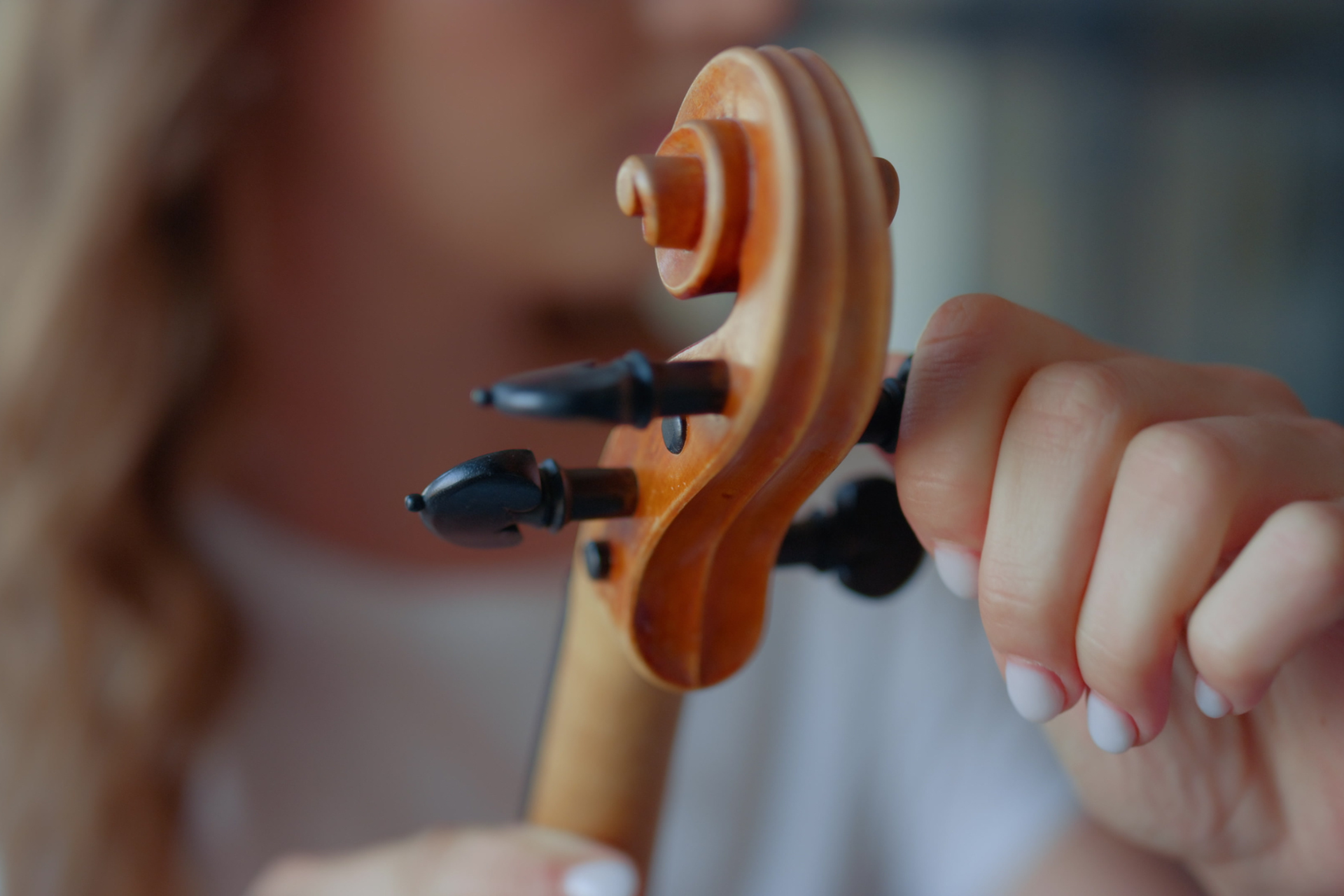
This article introduces beginners to the essential skill of tuning violins, guitars and setars. It covers step by step tuning methods, helpful tips, common challenges and practical advice for keeping each instrument sounding its best.
The Beauty of Handcrafted Instruments and Why They Matter
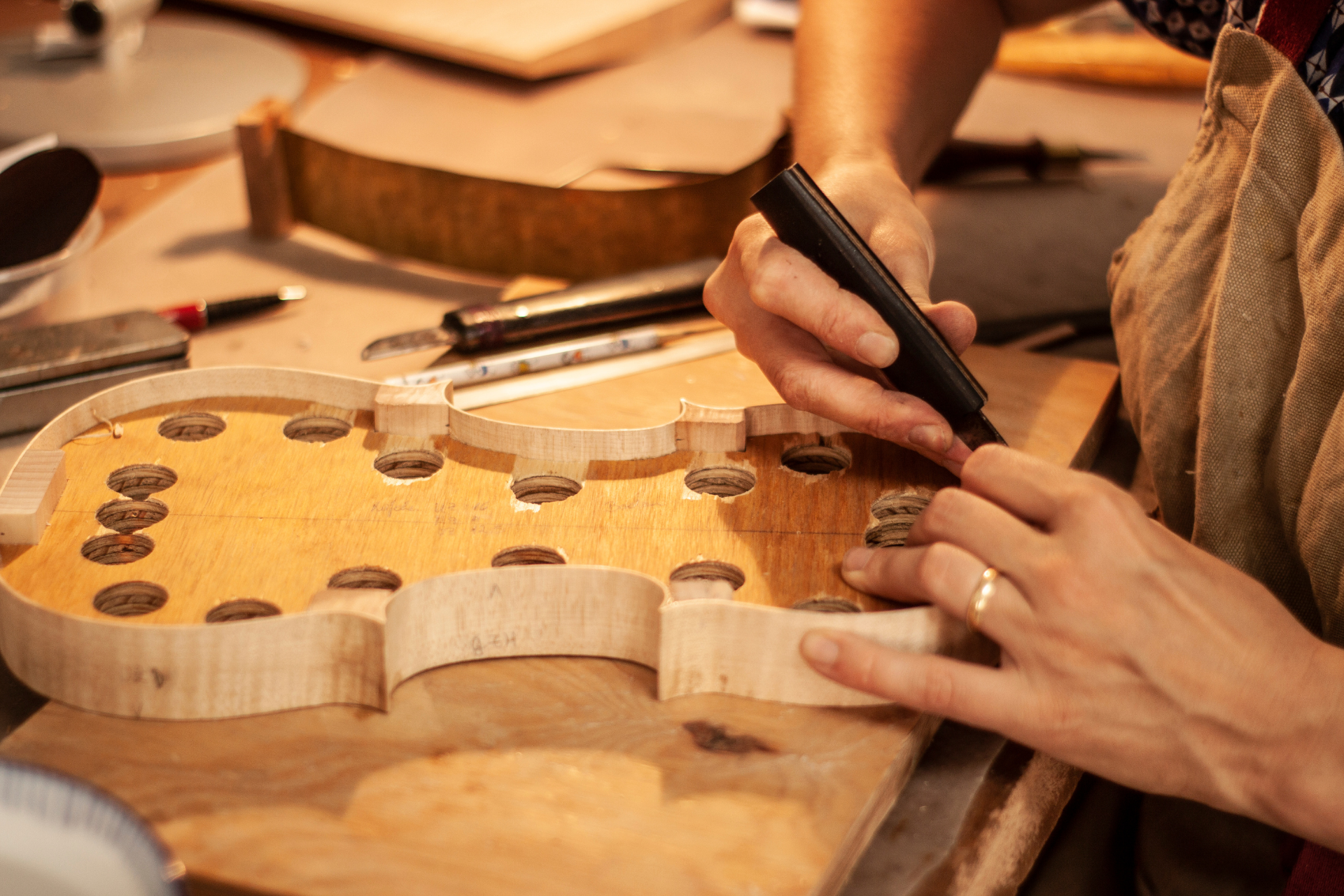
Handcrafted instruments offer a level of beauty, character, and musical expression that mass-produced instruments cannot match. Built with care, tradition, and artistic precision, each one carries a unique voice and emotional depth. This article explores why handcrafted instruments matter, how they elevate a musician’s experience, and why they continue to play an important role in preserving culture and inspiring creativity.

How Rhythm and Melody Support Mental Healing
This article explores the powerful connection between rhythm, melody and mental healing. It explains how music affects the brain, reduces stress and supports emotional balance by triggering positive chemicals and calming rhythmic responses. Readers will learn how different instruments, guided musical activities and simple daily listening habits can help improve mental well being. Whether through playing, singing or mindful listening, rhythm and melody offer accessible tools for emotional support and personal healing.

Top Christmas Songs That Sound Amazing on Guitar
This article explores the best Christmas songs that sound beautiful on guitar. Learn why these classics shine on acoustic and electric guitars and discover which tunes are perfect for beginners and advanced players during the holiday season.

How to Train Your Ear for Guitar Tone Recognition
Training your ear to recognize guitar tones is one of the most valuable skills a guitarist can develop. By learning how to identify brightness, warmth, clarity and other tonal characteristics, players gain greater control over their sound and a deeper understanding of how guitars, amps and effects shape every note. This guide explores practical listening techniques, tone comparisons and exercises that help musicians sharpen their tonal awareness and confidently recreate the sounds they hear.

Best Instruments for Solo Travel Musicians
Solo travel musicians need instruments that are lightweight, portable, and versatile without compromising on sound quality. Acoustic guitars, ukuleles, portable keyboards, cajons, harmonicas, travel violins, and compact wind instruments are perfect choices for performing on the move. These instruments allow musicians to maintain their creative expression, adapt to different venues, and engage audiences anywhere, making travel performances both practical and musically rewarding.
The Rise of Multi-Cultural Instruments in Western Music
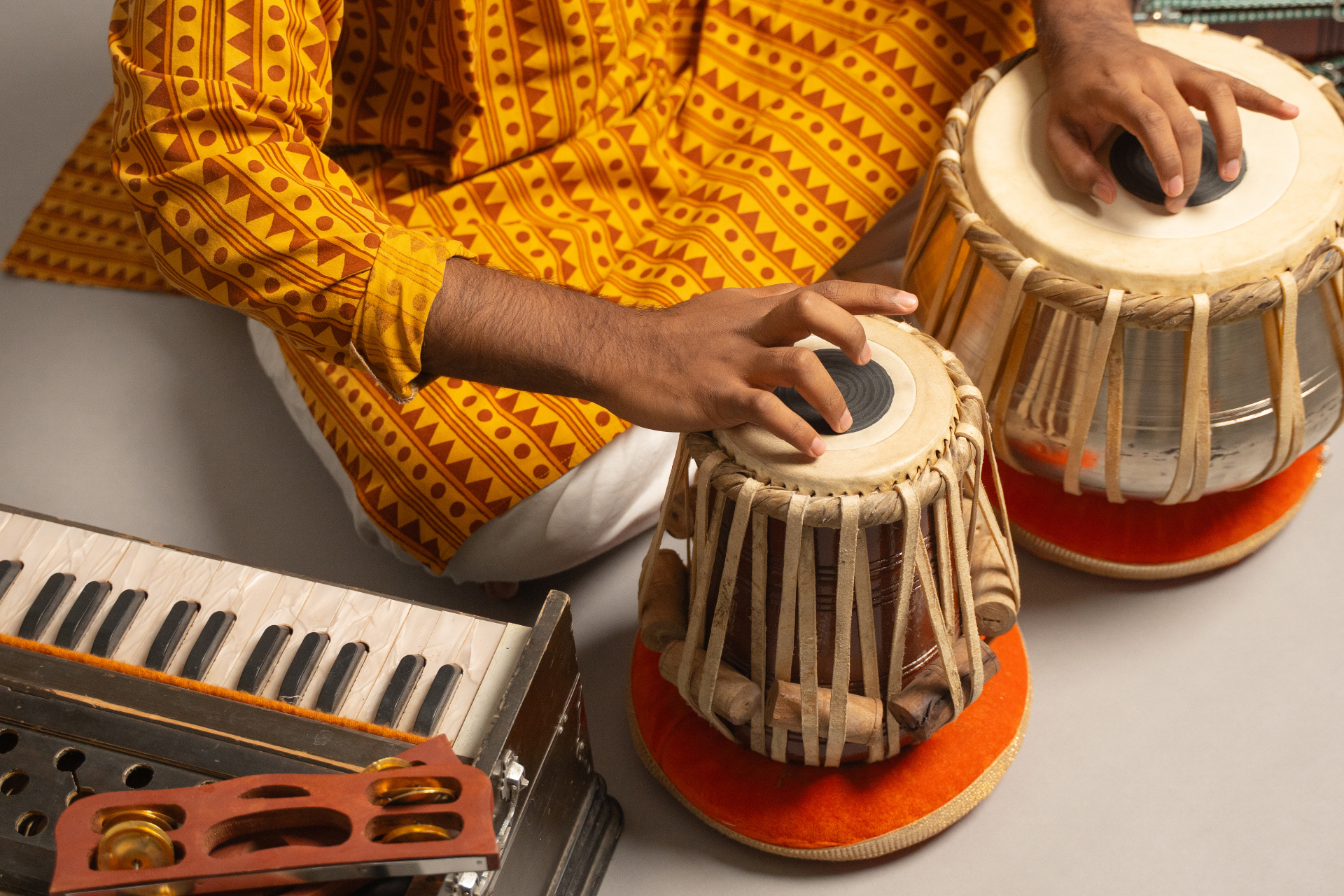
Multi-cultural instruments are transforming Western music by introducing unique tones, rhythms, and rich cultural heritage. From the sitar and oud to the kora and erhu, these instruments bring global traditions into contemporary compositions, creating fresh and innovative soundscapes. Musicians are blending these instruments with modern genres, experimenting with fusion styles, and collaborating across cultures to craft music that is both original and deeply expressive. This resurgence not only enriches the musical experience for audiences but also celebrates diversity and preserves the artistry of traditional instruments for future generations.
Modernizing Traditional Instruments for the Stage
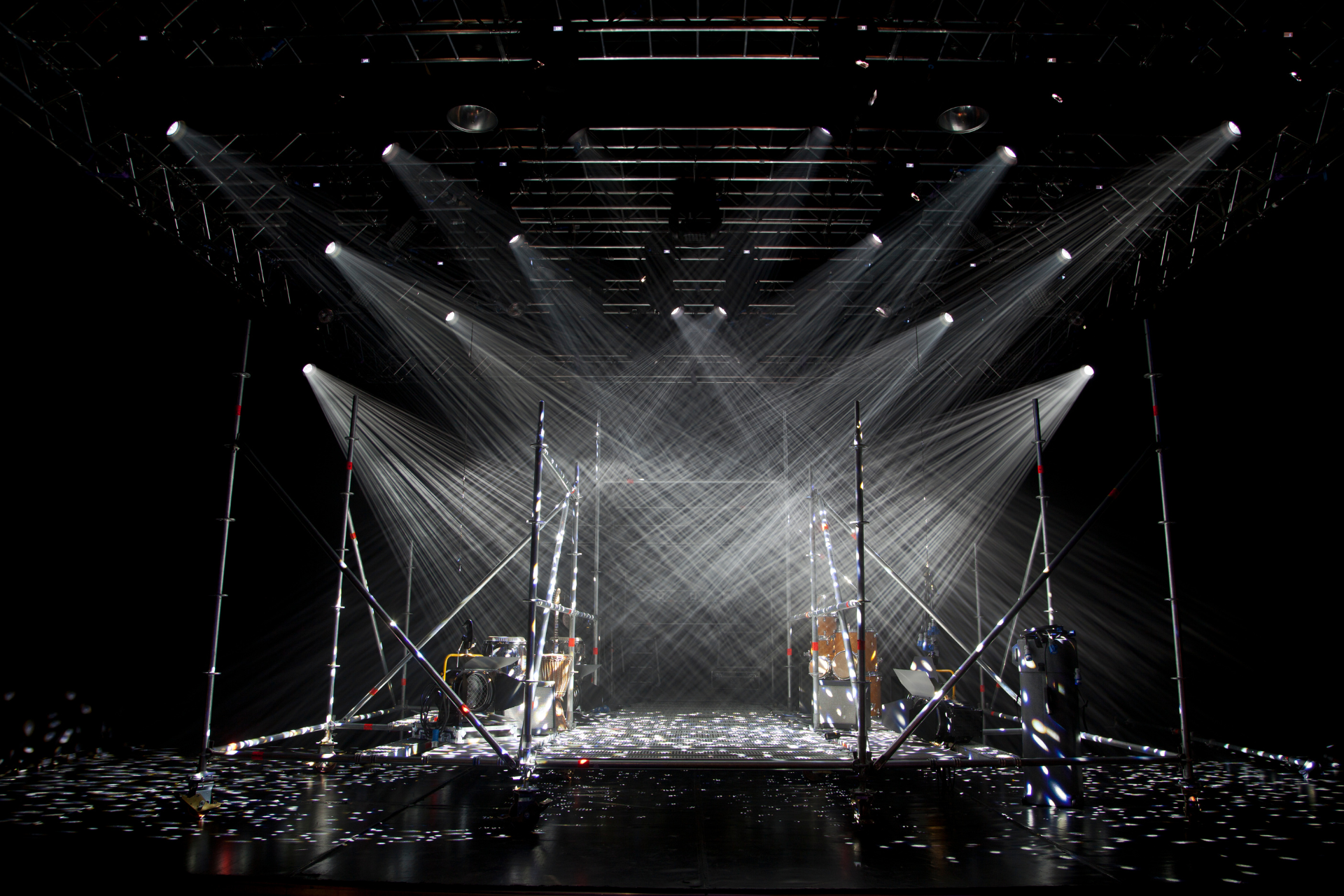
Modernizing traditional instruments allows musicians to bring centuries of heritage to contemporary stages. Through careful amplification, effects, and stage setup, these instruments maintain their authentic sound while reaching larger audiences. Thoughtful integration of technology preserves tonal quality, playability, and cultural identity, making traditional music vibrant and relevant in modern performances.

Sustainable Music Gear and the Future of Eco-Friendly Instruments
As sustainability reshapes the music world, eco-friendly instruments are becoming a symbol of responsible artistry. Crafted from reclaimed woods, certified tonewoods, and innovative natural materials, these instruments reduce environmental impact while preserving exceptional sound. Ethical craftsmanship also ensures fair labour and long-lasting quality, allowing musicians to create music with a clear conscience. The movement toward sustainable gear reflects a growing harmony between creativity and environmental responsibility, proving that great music can be both beautiful and kind to the planet.
Choosing and Caring for Your Handcrafted Acoustic Instrument
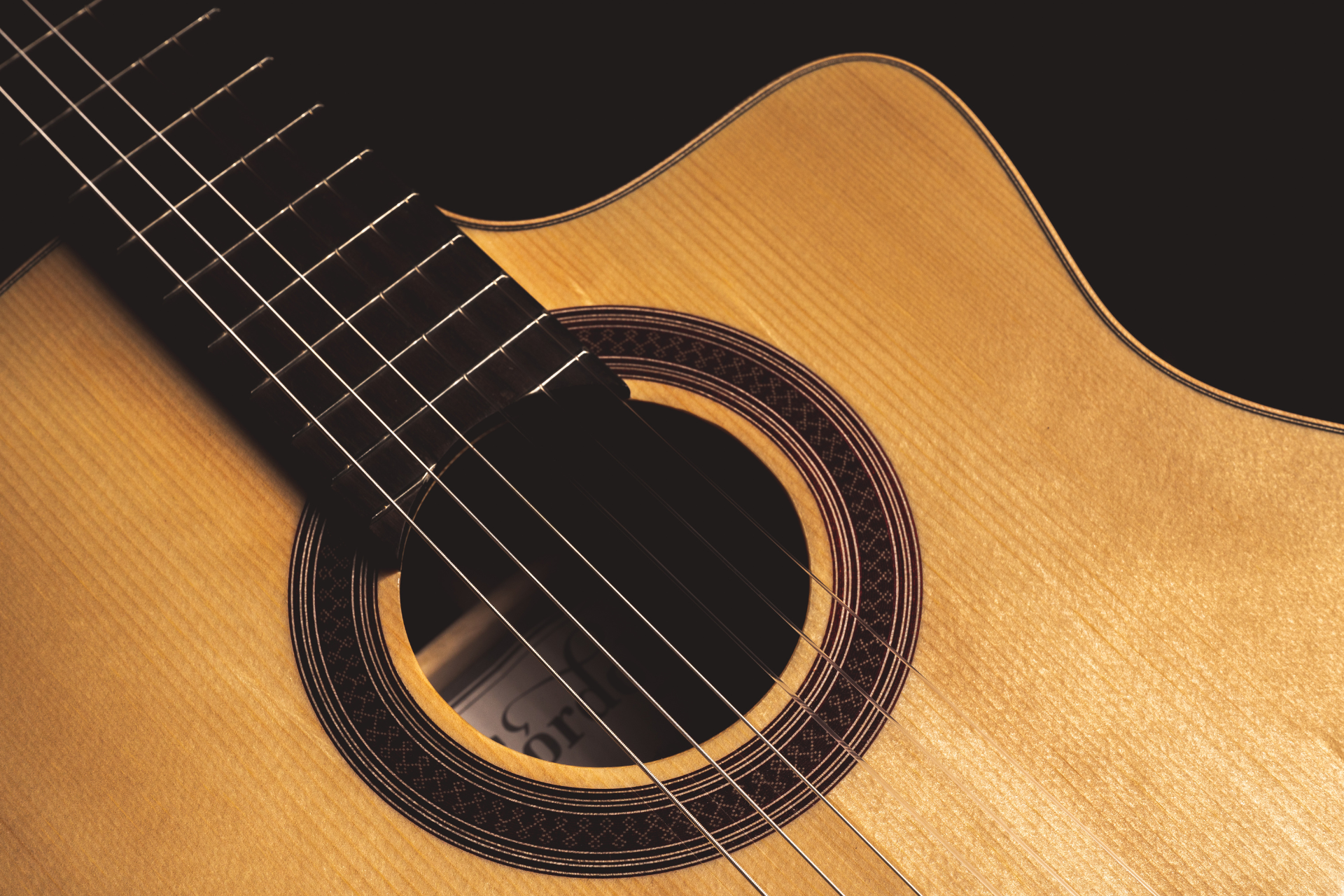
Handcrafted acoustic instruments are more than just tools for making music—they’re works of art that carry the signature of the luthier who built them. Choosing the right one involves understanding tonewoods, craftsmanship, and playability to find the perfect match for your style. With proper care, including humidity control, regular cleaning, and professional maintenance, these instruments only grow richer in tone over time. Whether you’re a seasoned musician or a passionate beginner, investing in a handcrafted instrument means building a lifelong relationship with sound and artistry.