
General Articles
How Handmade Instruments Differ From Factory-Made Ones
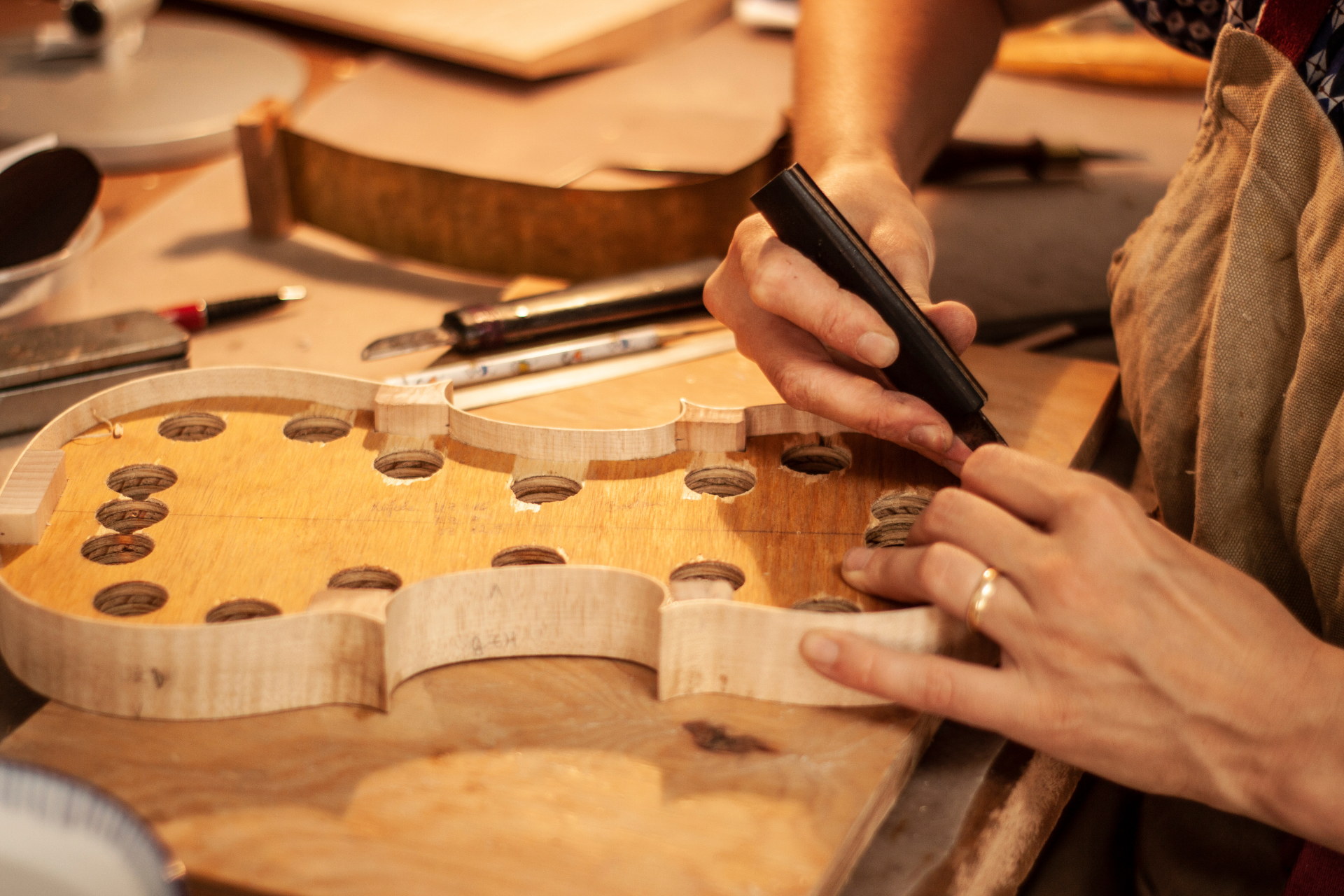
Music is deeply personal, and for many musicians, the instrument they choose becomes an extension of their creativity and expression. Whether someone is learning their first notes or performing professionally, the quality and character of an instrument can influence the playing experience in significant ways. One of the most common discussions among musicians involves the differences between handmade instruments and factory-made alternatives.
At first glance, two instruments may appear nearly identical. They may share similar shapes, materials, and features. However, the methods used to create them can result in noticeable differences in sound, craftsmanship, durability, and overall playing experience. Understanding these differences helps musicians make informed decisions when selecting an instrument that suits their goals and preferences.
Understanding How Instruments Are Built
The primary difference between handmade and factory-made instruments begins with the manufacturing process itself.
Factory-made instruments are produced using standardized methods designed for efficiency and consistency. Machines perform much of the cutting, shaping, sanding, and assembly. Human workers often oversee the process, but the production system focuses on creating large quantities of instruments within a relatively short period.
Handmade instruments follow a very different path. Skilled craftspeople individually build, shape, and refine each instrument. Many aspects of the construction process rely on experience, judgment, and attention to detail rather than automation.
This difference in production philosophy influences nearly every aspect of the finished product.
The Human Element in Handmade Instruments
One of the defining characteristics of handmade instruments is the direct involvement of a craftsperson throughout the construction process.
Rather than relying solely on machinery, instrument makers carefully evaluate each component before assembly. They often make adjustments based on the unique characteristics of the materials being used.
Every Piece of Wood Is Different
Wood remains one of the most important materials used in many traditional instruments. However, no two pieces of wood are exactly alike.
Variations may include:
-
Grain patterns
-
Density
-
Moisture content
-
Flexibility
-
Natural resonance
A skilled craftsperson understands how these differences affect sound and performance. Instead of forcing every piece into an identical specification, they often adapt their approach to maximize the material's natural strengths.
This level of individual attention is difficult to replicate in large-scale manufacturing environments.
Sound Characteristics and Tonal Complexity
For many musicians, sound quality represents the most important distinction between handmade and factory-made instruments.
While factory-produced models can sound excellent, handmade instruments often possess a level of tonal complexity that develops through careful material selection and construction techniques.
How Construction Influences Sound
The way an instrument is assembled affects how vibrations travel through the body.
Small factors can influence tone, including:
-
Wood thickness
-
Internal bracing
-
Joint construction
-
Surface finishing
-
Material matching
In handmade construction, these details are often adjusted individually rather than standardized across thousands of units.
As a result, many musicians describe handmade instruments as having greater warmth, depth, responsiveness, and character.
Tone Develops Through Precision
The goal of many instrument makers is not simply to create a loud instrument. Instead, they focus on creating balance.
A well-crafted instrument often offers:
-
Clear note definition
-
Even frequency response
-
Better sustain
-
Improved resonance
-
Greater dynamic range
These qualities can help musicians express subtle musical ideas more effectively.
Consistency Versus Individual Character
Factory production is designed to create consistency.
When a manufacturer produces thousands of instruments, customers generally expect similar performance from each unit. Standardization helps achieve this goal.
Handmade instruments often emphasize individuality instead.
No Two Handmade Instruments Are Identical
Because each instrument is built individually, slight differences naturally occur.
These variations may affect:
-
Tone
-
Appearance
-
Weight
-
Resonance
-
Playing feel
Rather than being considered flaws, these differences are often viewed as part of the instrument's personality.
Many musicians appreciate owning an instrument that possesses unique characteristics unavailable elsewhere.
Material Selection and Quality Control
Material selection plays a major role in determining instrument quality.
Factory manufacturers typically purchase large quantities of materials to support mass production. While quality standards exist, efficiency often influences material choices.
Handmade builders usually work on a much smaller scale, allowing for more selective sourcing.
Choosing Materials for Performance
Experienced instrument makers frequently inspect materials individually before use.
They may evaluate:
-
Wood grain alignment
-
Structural stability
-
Acoustic properties
-
Visual appearance
-
Long-term durability
Because production volumes are lower, makers can reject materials that do not meet their standards without disrupting large manufacturing schedules.
This selective process often contributes to the overall quality of the finished instrument.
Attention to Detail During Construction
One of the most noticeable differences between handmade and factory-made instruments involves craftsmanship.
Mass production focuses on speed and repeatability. Handmade construction focuses on precision and refinement.
The Value of Small Adjustments
Throughout the building process, a craftsperson may perform numerous adjustments that improve performance.
These adjustments can include:
-
Fine shaping
-
Neck alignment
-
Surface refinement
-
Balance corrections
-
Acoustic tuning
Many of these details require experience and judgment rather than automated measurements.
The result is an instrument that reflects careful human involvement at every stage of construction.
Durability and Long-Term Performance
An instrument represents an investment, especially for serious musicians.
Durability becomes an important consideration when comparing construction methods.
Built for Years of Use
Many handmade instruments are designed with longevity in mind.
Because builders work closely with individual materials, they often prioritize structural stability and long-term reliability.
This does not mean factory-made instruments lack durability. Many are built to withstand years of regular use. However, handmade instruments often receive additional attention during assembly, helping reduce potential weaknesses.
For musicians planning to keep an instrument for decades, construction quality becomes increasingly important.
The Relationship Between Musician and Instrument
An often overlooked aspect of handmade instruments is the emotional connection they create.
Musicians frequently describe a stronger sense of attachment to instruments built by individual craftspeople.
Knowing the Story Behind the Instrument
When an instrument is handcrafted, there is often a story behind its creation.
The musician may know:
-
Who built it
-
Where it was made
-
Which materials were used
-
How long it took to complete
This connection adds meaning beyond the physical object itself.
For many players, the instrument becomes more than a tool. It becomes part of their musical journey.
Why Factory-Made Instruments Remain Popular
Despite the advantages associated with handmade construction, factory-made instruments continue to serve an important role.
Modern manufacturing has made quality instruments accessible to a much wider audience.
Accessibility for New Musicians
Factory production offers several benefits:
-
Lower cost
-
Wider availability
-
Consistent specifications
-
Faster production
-
Greater variety
Many students begin their musical education using factory-made instruments and achieve excellent results.
The availability of affordable instruments has helped countless people discover music who may not otherwise have had the opportunity.
Modern Manufacturing Has Improved Significantly
It is important to recognize that factory-made instruments today are often much better than those produced decades ago.
Advances in technology, design, and quality control have significantly improved manufacturing standards.
Many modern factory-produced instruments provide excellent performance and value, particularly for beginners and intermediate players.
Handmade Instruments and Cultural Traditions
Traditional musical instruments often carry cultural significance that extends beyond performance.
In many regions, instrument building itself is considered an important art form.
Preserving Generational Knowledge
Craftsmanship techniques are frequently passed down through generations.
Instrument makers preserve knowledge related to:
-
Material selection
-
Construction methods
-
Decorative techniques
-
Acoustic design
-
Cultural traditions
By supporting handcrafted instruments, musicians help preserve these specialized skills and cultural practices.
This is particularly important for traditional instruments whose construction methods have remained largely unchanged for centuries.
The Role of Customization
Another significant advantage of handmade instruments is the potential for customization.
Factory-produced models typically follow fixed specifications.
Handcrafted instruments may offer greater flexibility.
Instruments Designed for Individual Needs
A builder may adjust features such as:
-
Neck dimensions
-
Scale length
-
Decorative elements
-
Wood selection
-
Tonal preferences
These adjustments allow musicians to obtain instruments tailored to their personal playing style.
For advanced players, this level of customization can make a meaningful difference in comfort and performance.
Cost and Value Considerations
Price differences between handmade and factory-made instruments often reflect the amount of labour involved.
Creating an instrument by hand requires significant time, skill, and expertise.
Looking Beyond the Initial Price
When evaluating value, musicians should consider factors such as:
-
Sound quality
-
Longevity
-
Craftsmanship
-
Personal satisfaction
-
Potential resale value
A handmade instrument may require a larger initial investment, but many owners view the long-term benefits as worthwhile.
The right choice ultimately depends on individual goals, experience level, and budget.
Where Craftsmanship Meets Musical Expression
The differences between handmade instruments and factory-made alternatives extend far beyond appearance. Construction methods influence sound, character, durability, individuality, and the overall playing experience. While factory-made instruments provide accessibility and consistency, handcrafted instruments offer a level of personal attention and artistic craftsmanship that many musicians find deeply rewarding.
Neither option is universally better for every player. The ideal choice depends on a musician's needs, preferences, and stage of development. Understanding how each type of instrument is created allows musicians to appreciate the skill involved and make more informed decisions when selecting an instrument that will accompany them throughout their musical journey.
Looking for quality handmade instruments or carefully selected musical instruments in Markham? Visit Rhythm Music Shop and explore a wide range of traditional and modern instruments for musicians of all skill levels.