
General Articles
The Hidden Language of Drum Rhythms Across Cultures
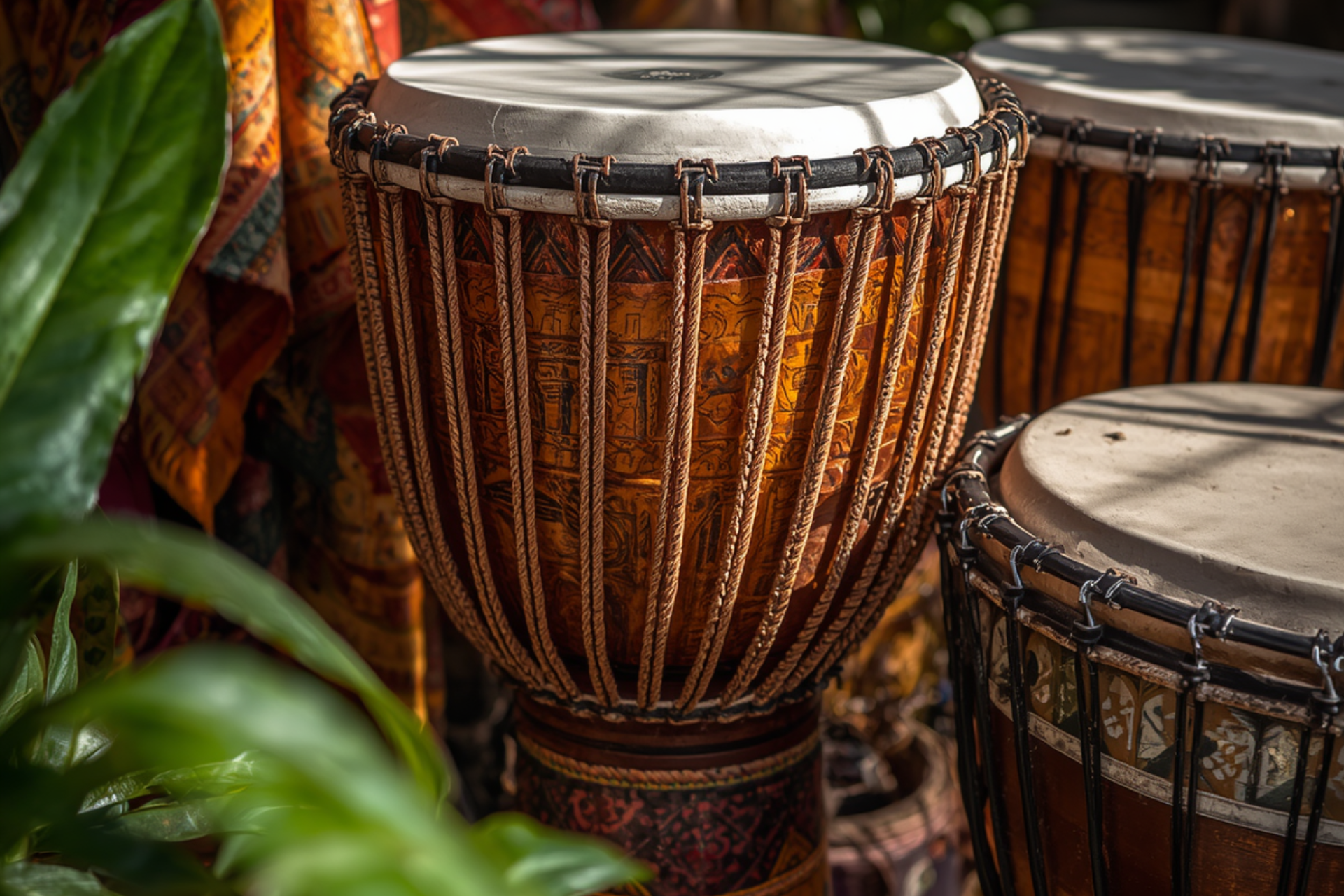
Music has always been a form of communication. Long before written language became widespread, people used sound to express emotions, share stories, celebrate important events, and strengthen community connections. Among the many musical traditions that developed around the world, percussion remains one of the oldest and most universal forms of expression. The patterns created through drum rhythms have carried messages, traditions, and cultural identities across generations.
While melodies and lyrics often receive much of the attention in modern music, rhythm forms the foundation of countless musical styles. In many cultures, drums are not simply instruments used to keep time. They serve as tools for storytelling, ceremonial practices, social gatherings, and communication. Understanding how different societies use rhythm reveals a fascinating hidden language that continues to influence music today.
Why Rhythm Is a Universal Human Language
Humans naturally respond to rhythm. Even infants react to repeating patterns of sound before they fully understand language. Scientists believe this connection exists because rhythm mirrors many natural patterns found in everyday life, including breathing, walking, heartbeats, and seasonal cycles.
Across cultures, rhythm often acts as a shared language that allows people to participate in music regardless of spoken language barriers. A person may not understand the lyrics of a song from another country, but they can still respond emotionally to the rhythmic patterns being performed.
This universal connection helps explain why drums appear in nearly every region of the world. Despite differences in instrument design, musical styles, and traditions, rhythmic expression remains a common thread linking diverse cultures together.
The Role of Drums Before Modern Communication
Before modern technology, drums often played practical roles beyond entertainment. Communities used them to communicate across distances, announce important events, and coordinate group activities.
In some regions, specific rhythmic patterns signalled celebrations, warnings, ceremonies, or gatherings. These rhythms became recognizable messages understood by members of the community.
Because sound travels efficiently over long distances, drums served as an effective method of communication. Different combinations of beats could carry meaning in much the same way words carry meaning in spoken language.
Rhythm as a Community Signal
Many traditional societies developed recognizable rhythmic codes that helped organize community life.
These signals could indicate:
-
Religious ceremonies
-
Community meetings
-
Weddings
-
Harvest celebrations
-
Military activities
-
Emergency warnings
Although modern communication methods have largely replaced these practical functions, many traditional rhythmic patterns continue to survive through cultural preservation and musical performance.
African Rhythmic Traditions and Layered Communication
Africa contains some of the world's most sophisticated rhythmic traditions. In many African cultures, drumming serves as both an artistic and social practice.
One distinguishing characteristic of African percussion is the use of polyrhythms. This involves multiple rhythmic patterns being played simultaneously. Each performer contributes a unique pattern that interacts with the others to create a larger musical conversation.
The Meaning Behind Polyrhythms
Polyrhythmic music reflects important cultural values. Rather than focusing on a single dominant rhythm, multiple patterns coexist and support one another.
This structure can symbolize:
-
Community cooperation
-
Individual contribution
-
Social balance
-
Collective participation
Listeners may initially hear complexity, but experienced participants often recognize specific rhythmic roles and meanings within the performance.
Many modern musical genres, including jazz, funk, blues, and various forms of popular music, trace rhythmic influences back to African traditions.
The Talking Drums of West Africa
One of the most fascinating examples of rhythmic communication comes from West Africa's talking drums.
These instruments can change pitch through tension adjustments while being played. Skilled drummers imitate the tonal patterns of spoken language, allowing them to communicate recognizable phrases and messages.
How Talking Drums Mimic Speech
Many West African languages rely on pitch variation to change word meaning. Talking drums replicate these tonal shifts through careful control of drum tension.
Experienced drummers can perform rhythms that closely resemble spoken phrases. Historically, this ability allowed messages to travel between villages across significant distances.
Although modern technology has replaced this communication function, talking drums remain important cultural symbols and performance instruments throughout the region.
Indigenous Drumming Traditions Across North America
Many Indigenous cultures throughout North America view drums as deeply spiritual instruments. Rather than serving only musical purposes, drums often play central roles in ceremonies, gatherings, and cultural preservation.
The drum is frequently associated with the heartbeat, representing connection, life, and continuity.
Rhythm and Cultural Identity
Traditional drumming often accompanies:
-
Ceremonial dances
-
Storytelling
-
Community celebrations
-
Spiritual practices
-
Seasonal gatherings
Specific rhythmic patterns may carry meanings tied to particular traditions, nations, or cultural teachings.
Participation in drumming helps strengthen community bonds while preserving important cultural knowledge for future generations.
The Spiritual Dimension of Drumming
Across many cultures, rhythm serves a spiritual purpose.
Repetitive percussion patterns can influence mood, concentration, and emotional awareness. This effect has led to the use of drumming in various religious and ceremonial practices throughout history.
In many traditions, rhythmic repetition creates an environment that encourages reflection, focus, and communal participation.
Shared Experiences Through Rhythm
When groups participate in synchronized drumming, they often experience a stronger sense of connection with one another.
Researchers studying group music activities have found that synchronized rhythm can encourage cooperation and social bonding. These findings support practices that many cultures have used for centuries.
The emotional power of collective rhythm helps explain why drumming remains important during ceremonies, festivals, and celebrations around the world.
Middle Eastern and Persian Percussion Traditions
The Middle East has developed highly sophisticated percussion traditions that emphasize both technical skill and expressive nuance.
In Persian music, instruments such as the tonbak play a significant role in shaping musical structure and emotional expression.
Unlike simple timekeeping, Persian percussion often involves intricate patterns that interact closely with melodic instruments.
The Art of Dynamic Expression
Persian drummers frequently use:
-
Finger techniques
-
Hand articulation
-
Dynamic accents
-
Tonal variation
-
Complex rhythmic phrasing
These techniques allow percussionists to communicate emotion and musical character through rhythm alone.
The result is a conversation between rhythm and melody rather than a strict division between the two.
Asian Percussion Traditions and Discipline
Many Asian percussion traditions place strong emphasis on precision, discipline, and group coordination.
Japanese taiko drumming, for example, combines physical movement, visual presentation, and rhythmic performance into a unified artistic experience.
The power of large ensemble drumming creates an impressive display of timing, strength, and collective focus.
Beyond Musical Performance
In many Asian traditions, learning percussion involves more than developing technical ability.
Students often learn values such as:
-
Respect
-
Discipline
-
Focus
-
Teamwork
-
Cultural appreciation
The rhythmic patterns themselves become vehicles for preserving cultural traditions and teaching important life lessons.
Latin American Rhythms and Cultural Fusion
Latin American percussion traditions reflect centuries of cultural exchange.
Indigenous influences, African heritage, and European musical elements combined to create rhythmic styles that remain globally influential today.
Genres such as salsa, samba, rumba, and various regional traditions rely heavily on complex percussion patterns.
Rhythm as Social Expression
Many Latin American traditions use rhythm to encourage participation and celebration.
Drums often support:
-
Dance
-
Festivals
-
Community gatherings
-
Religious celebrations
-
Cultural events
The strong relationship between movement and rhythm helps create highly interactive musical experiences that invite audience participation.
Why Different Cultures Develop Different Rhythms
Environmental factors, cultural values, available materials, and historical experiences all influence rhythmic development.
Communities naturally create musical systems that reflect their unique circumstances.
Factors influencing rhythm development include:
Geography
Available materials determine which instruments can be constructed.
Social Structure
Community organization influences whether music focuses on solo performance or group participation.
Religious Practices
Spiritual traditions often shape rhythmic patterns used in ceremonies and worship.
Historical Influences
Migration, trade, and cultural interaction introduce new musical ideas that gradually become part of local traditions.
These influences help explain why drum rhythms vary so widely around the world while still serving similar social and emotional functions.
The Lasting Influence of Traditional Rhythms
Modern music continues to draw inspiration from traditional percussion practices.
Contemporary genres often incorporate rhythmic concepts that originated centuries ago in different parts of the world.
Musicians today frequently study traditional drumming to better understand:
-
Timing
-
Groove
-
Musical interaction
-
Cultural expression
-
Performance dynamics
This ongoing influence demonstrates how rhythm remains a living tradition rather than a historical artifact.
Where Ancient Beats Meet Modern Ears
The story of drum rhythms is ultimately a story of human connection. Across continents and generations, rhythmic patterns have helped people communicate, celebrate, teach, remember, and express emotions that words alone cannot fully capture.
Although the instruments, techniques, and cultural contexts may differ, the purpose remains remarkably similar. Rhythm brings people together. It preserves traditions, strengthens communities, and provides a shared language that transcends geography and spoken words.
For anyone interested in exploring the rich world of percussion, understanding the cultural significance behind rhythmic traditions offers a deeper appreciation for music itself. Every beat carries a story, and every rhythm reflects the people who created it.
Discover traditional and contemporary percussion instruments at Rhythm Music Shop in Markham. Explore quality drums and musical instruments that connect you to cultures and musical traditions from around the world.